Morphology of Flowering Plants
- 1. Roots: what holds a plant in the ground?
- 2. The stem: how is it different from a root?
- 3. The leaf: base, stalk and blade
- 4. How are leaves and flowers arranged?
- 5. What is a flower?
- 6. Sepals, petals and aestivation
- 7. Stamens, carpels and placentation
- 8. The fruit: what does an ovary become?
- 9. Inside a seed: gram and maize
- 10. How to read a floral formula
- 11. Three families: Solanaceae, Fabaceae, Liliaceae
- Review
6 of 11·NCERT §5.5.1 · §5.5.1.1 · §5.5.1.2·pp. 63–64·6 min
Sepals, petals and aestivation
The big ideaSepals and petals can be free or joined, and the way they fold over each other inside the bud, called aestivation, comes in four main patterns.
In simple words
The outer green flaps of a flower keep the bud safe. The coloured flaps inside them call insects to come and carry pollen. In some flowers these flaps are separate; in others they are joined into a cup or tube. Before a bud opens, the flaps are folded up tight. Some just touch at their edges, some overlap in a neat spiral like a closed umbrella, and some overlap in no fixed order.
A typical flower has four whorls: calyx, corolla, androecium and gynoecium. This page covers the outer two.
Calyx
The calyx is the outermost whorl. Its members are sepals. Sepals are usually green and leaf-like, and they protect the flower while it is a bud. Peel back the green flaps around a rosebud and you are peeling sepals.
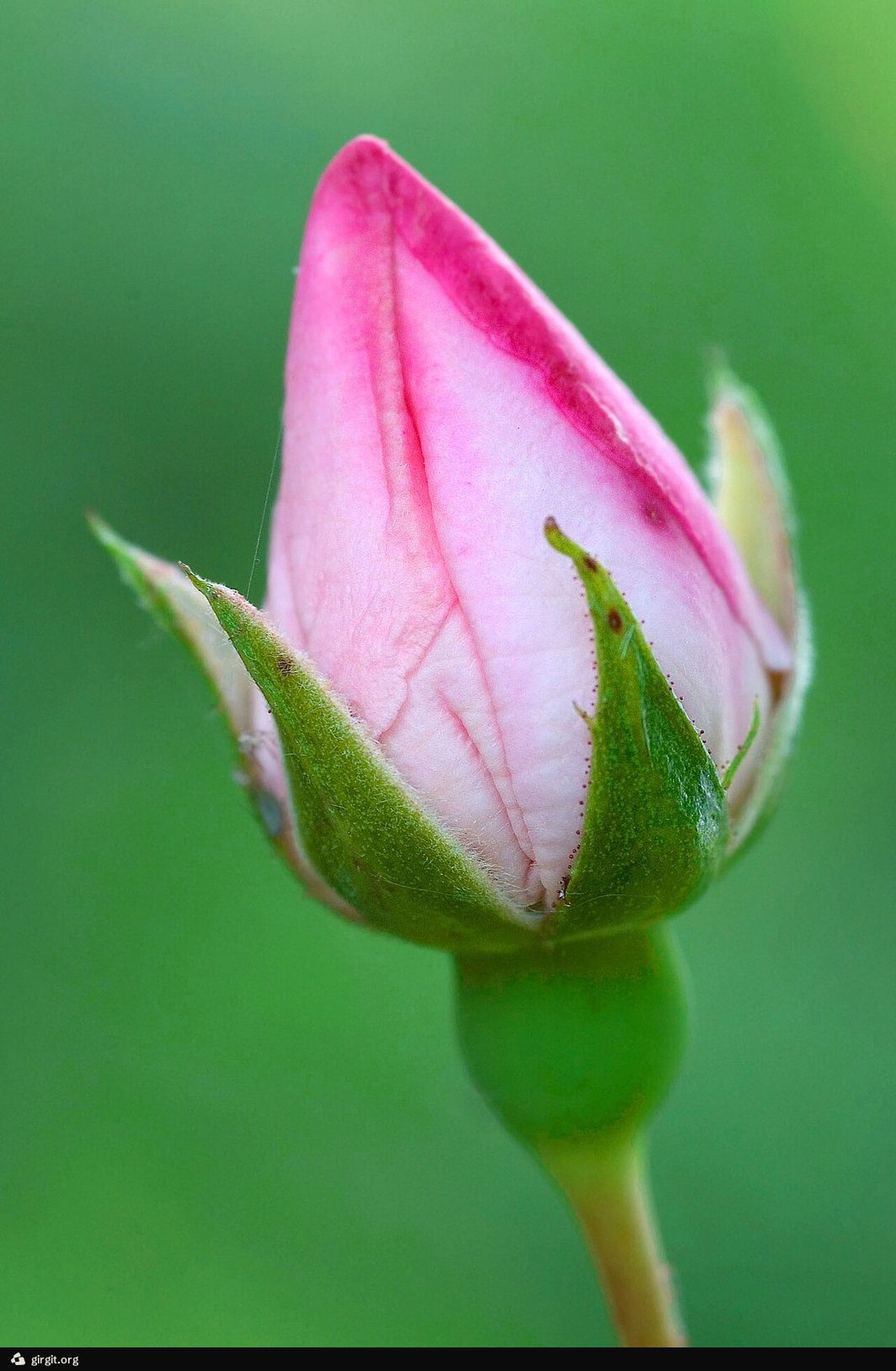 free sepalsepalpetals
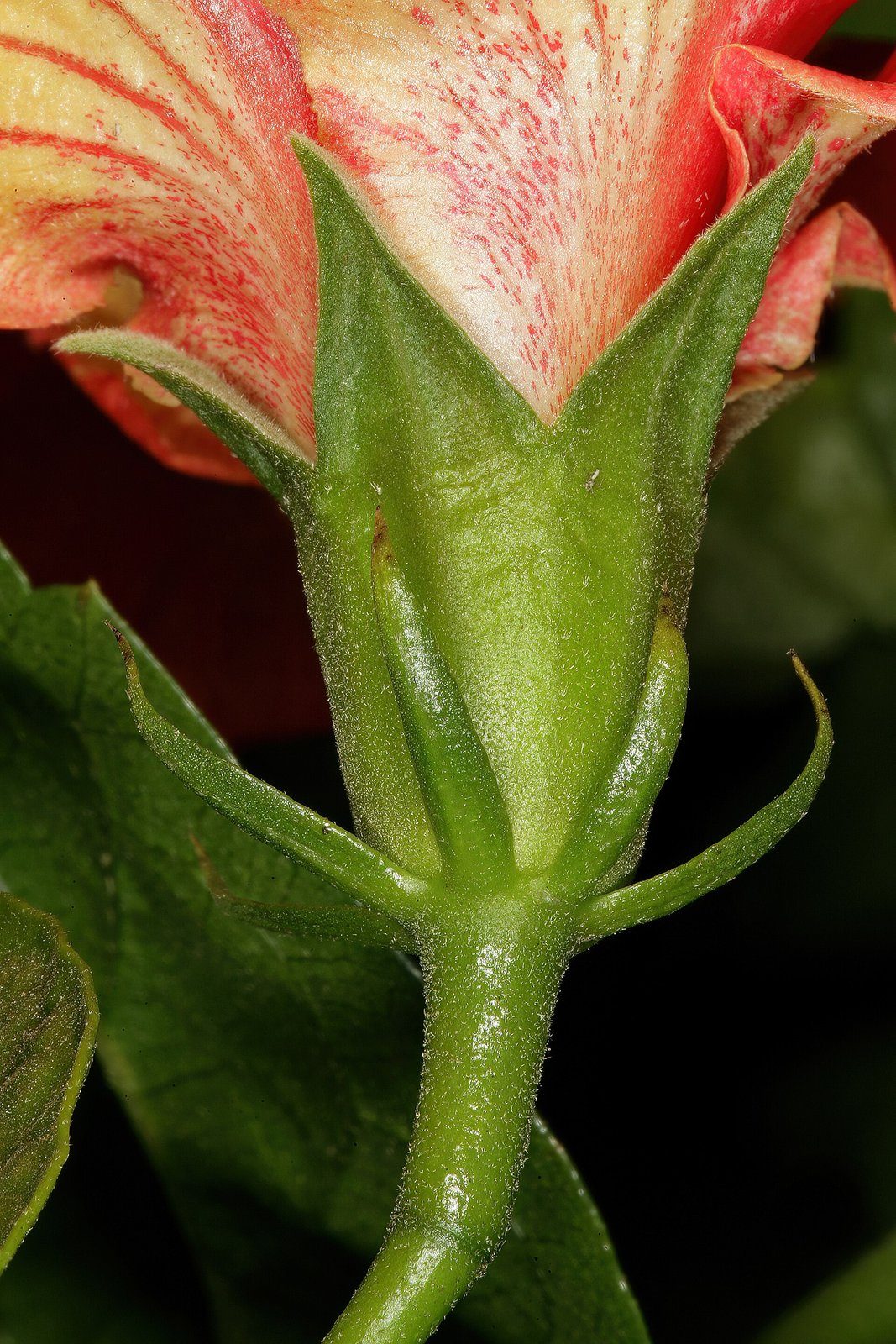 petals: corollacalyx: sepals joined in a cupepicalyx: extra bractspedicel
Corolla
The corolla is made of petals. Their bright colours usually serve to draw in insects, which carry pollen from flower to flower: pollination. The corolla comes in many shapes: tubular, bell-shaped, funnel-shaped (datura) or wheel-shaped (the flat star of a brinjal or potato flower).
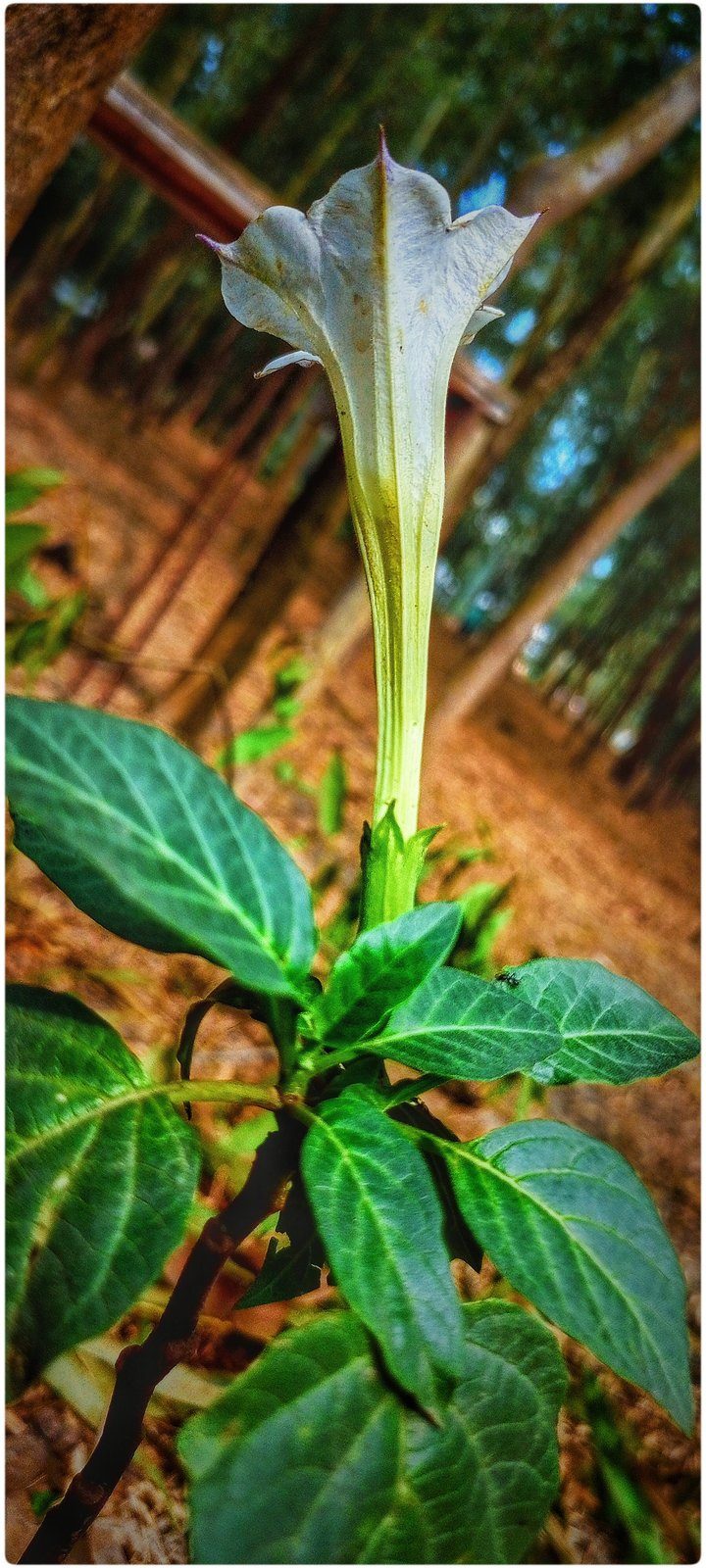 joined petals: a funnelcalyx
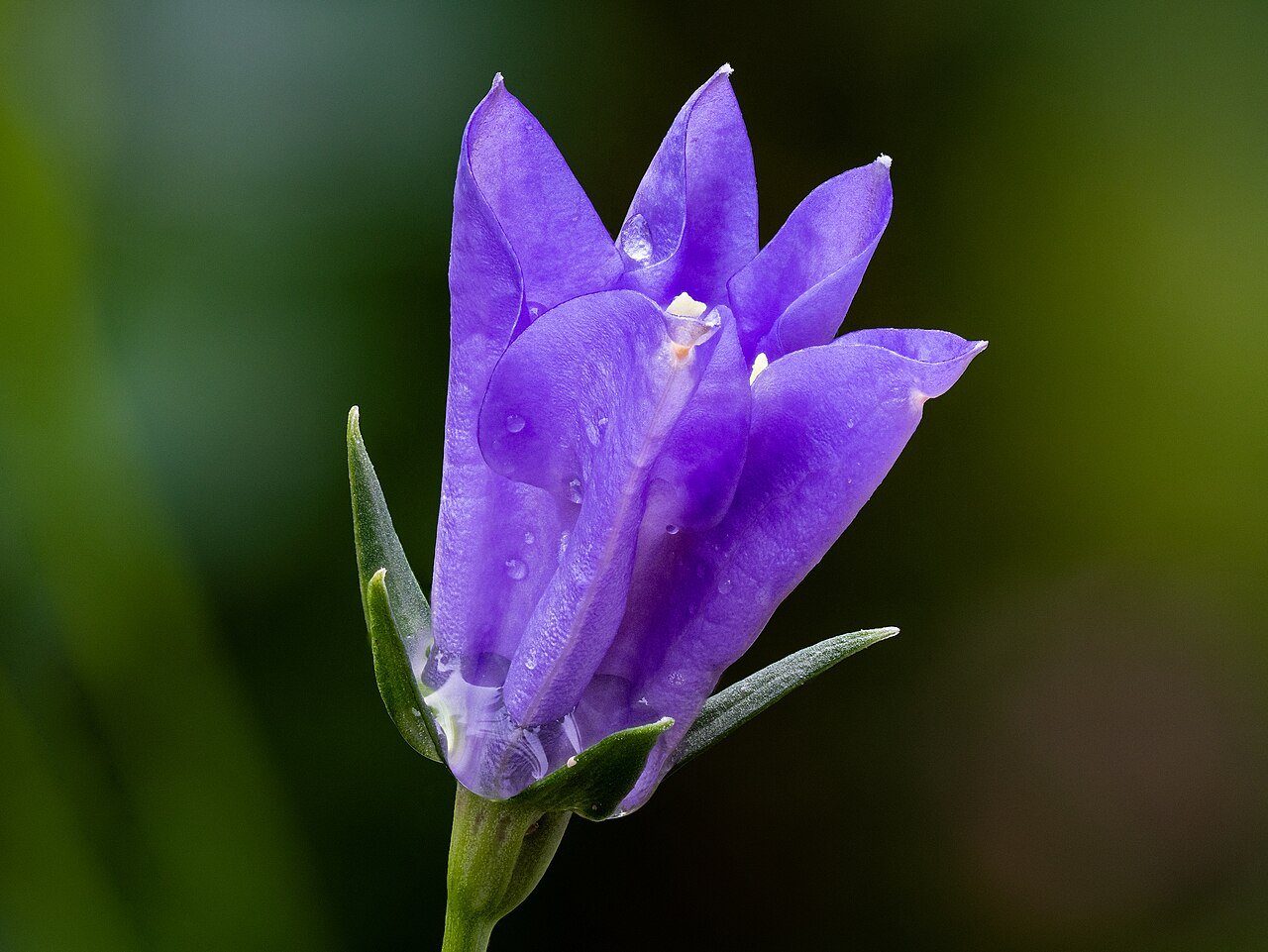 joined petals: a bellsepal
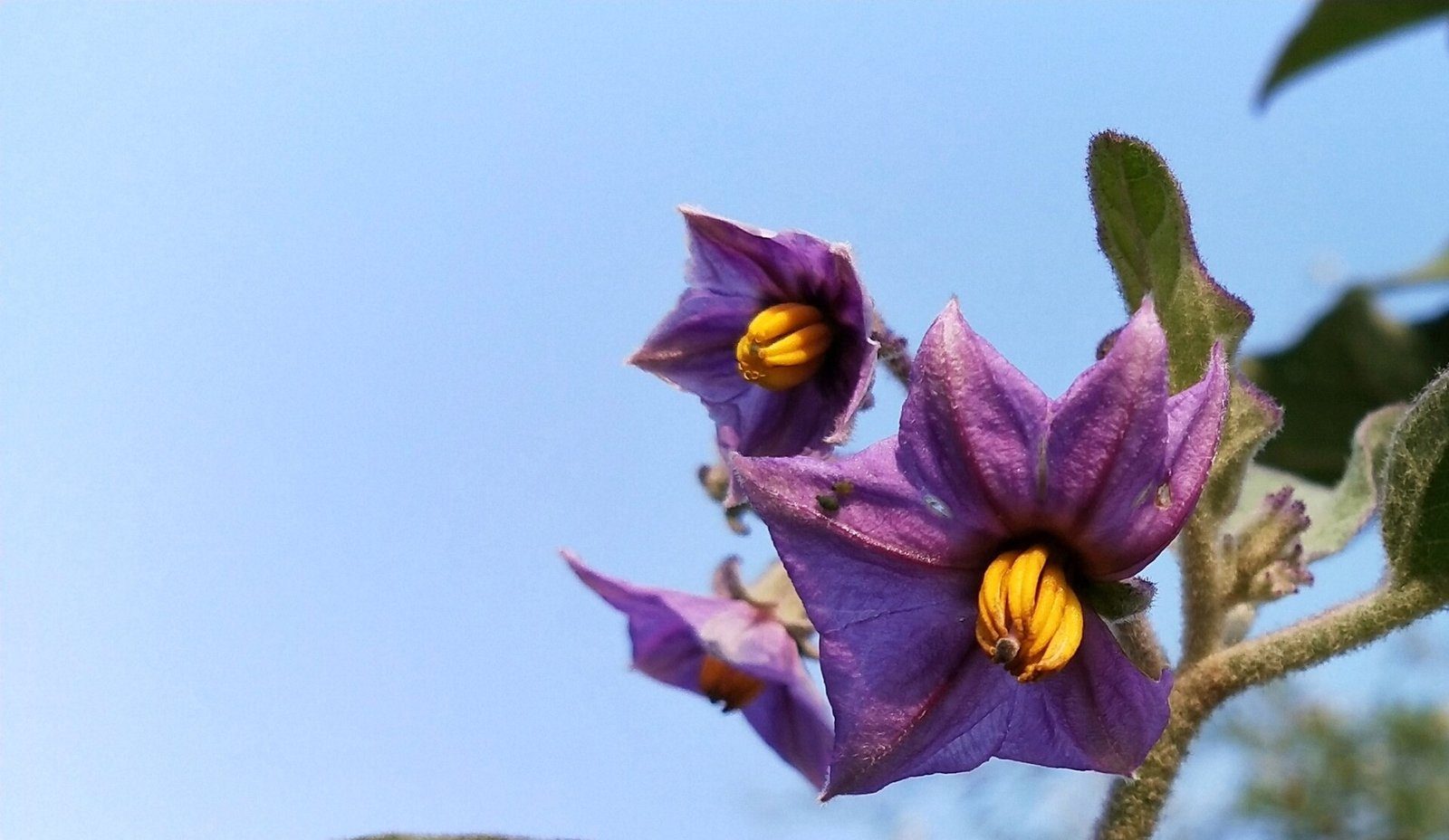 joined petals, flat staranthers
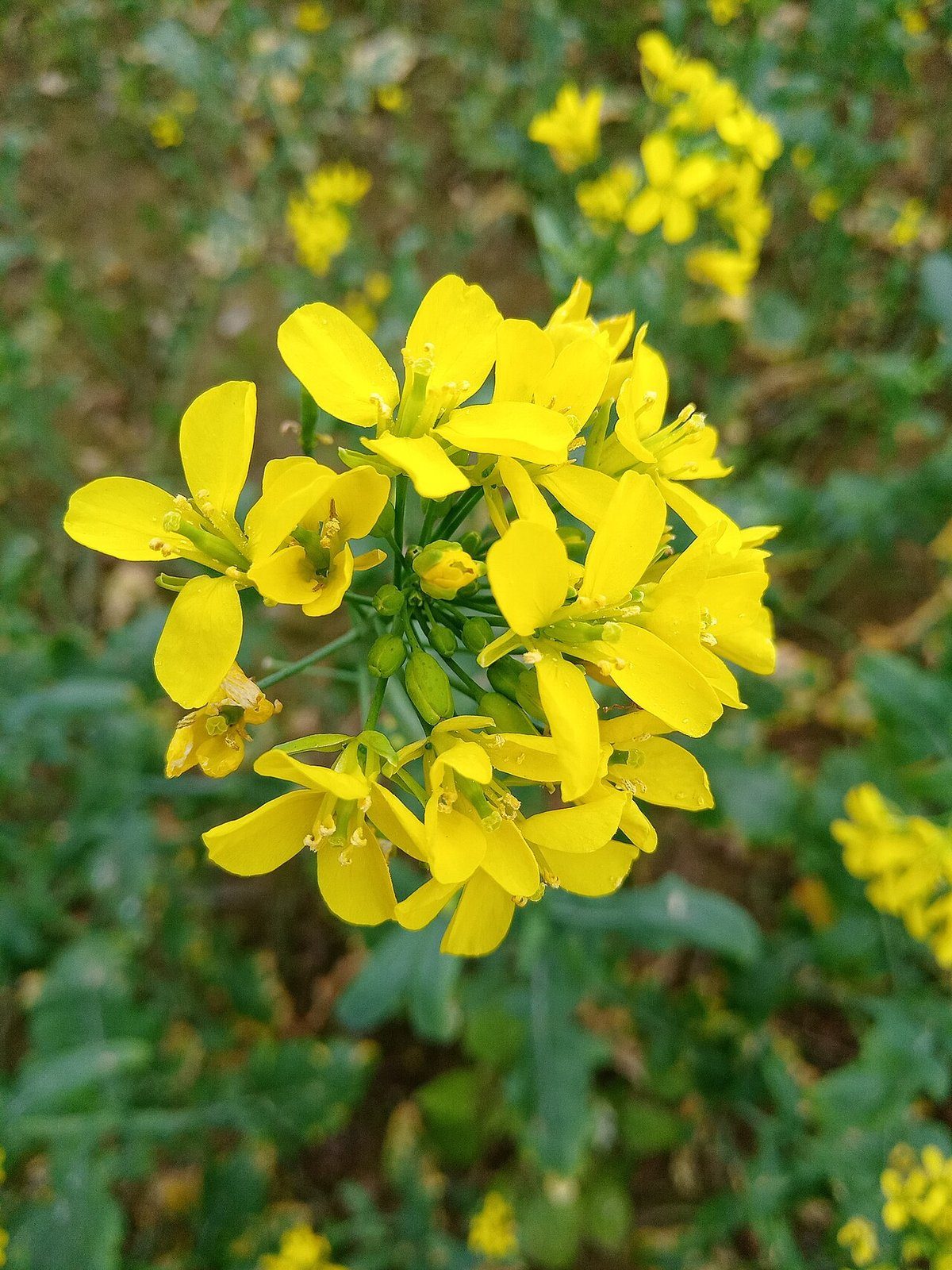 4 free petals
Both whorls can be free or joined, and the words follow one simple rule: gamo- means joined, poly- means free.
| Joined | Free | |
|---|---|---|
| Sepals | Gamosepalous | Polysepalous |
| Petals | Gamopetalous | Polypetalous |
Aestivation: folding in the bud
Aestivation is how the sepals or petals of one whorl sit in relation to one another while the flower is still a bud. There are four main types.
| Type | How the margins meet | Examples |
|---|---|---|
| Valvate | Edges just touch, with no overlap | Calotropis (aak) |
| Twisted | Each petal overlaps the next one in the same direction, all the way round | China rose, lady's finger (bhindi), cotton |
| Imbricate | Edges overlap, but in no particular direction | Cassia, gulmohur |
| Vexillary or papilionaceous | Five petals: the largest (standard) overlaps the two side petals (wings), which overlap the two smallest front petals (keel) | Pea, bean |
Here are real buds of each kind. Look at the seams, the places where two neighbours meet.
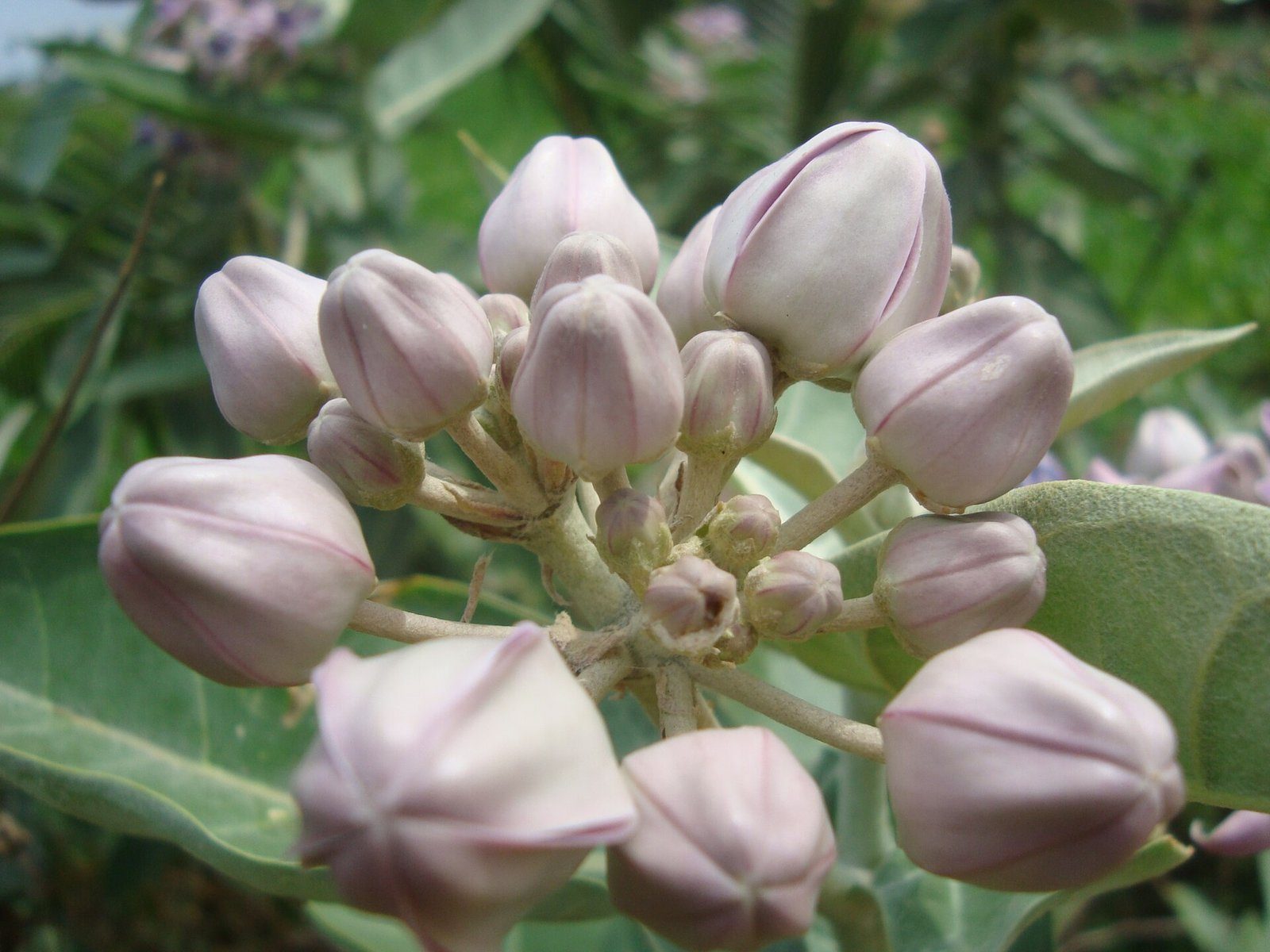 edges meet, no overlap
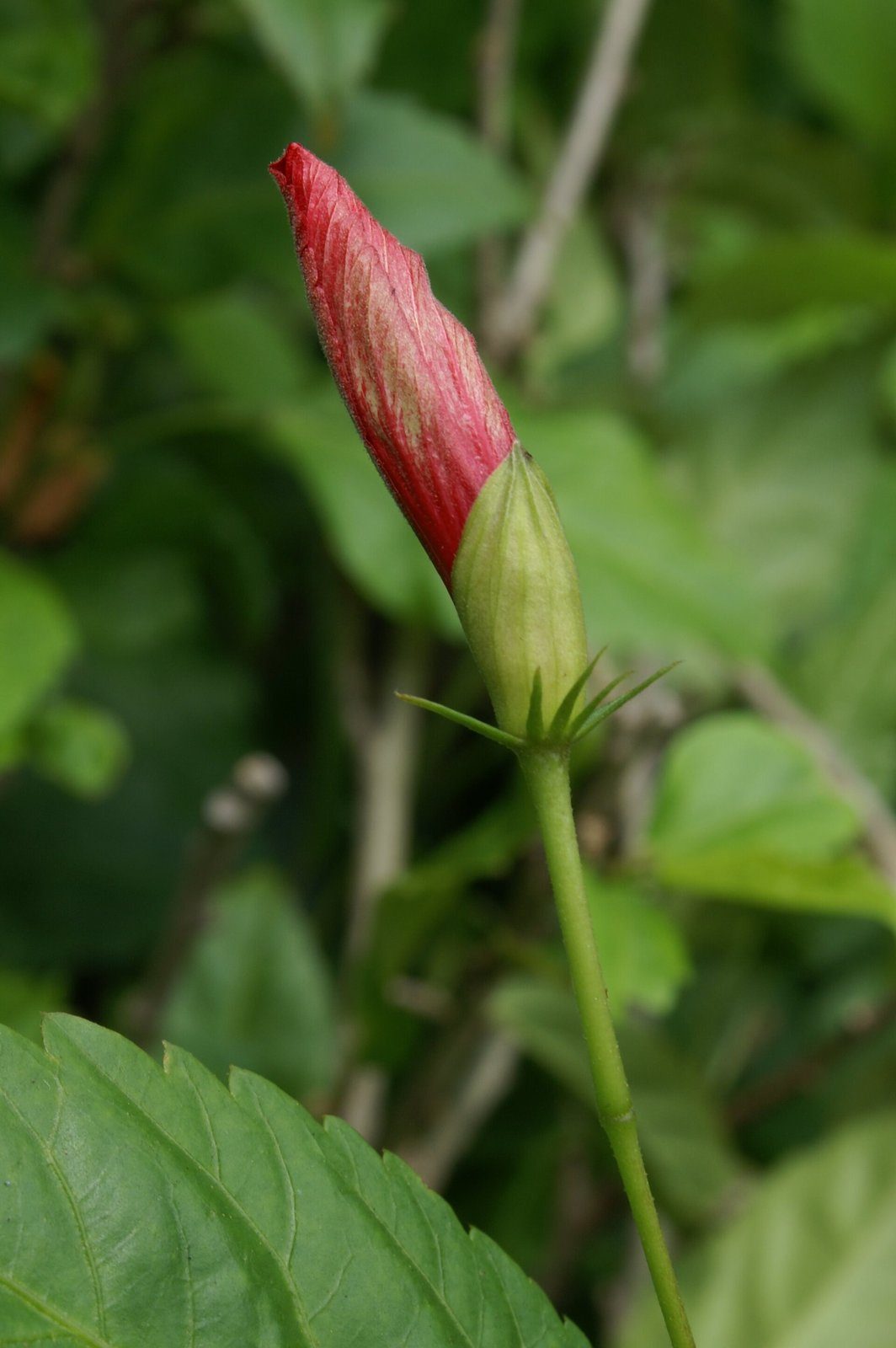 petals twisted in a spiralcalyxepicalyx
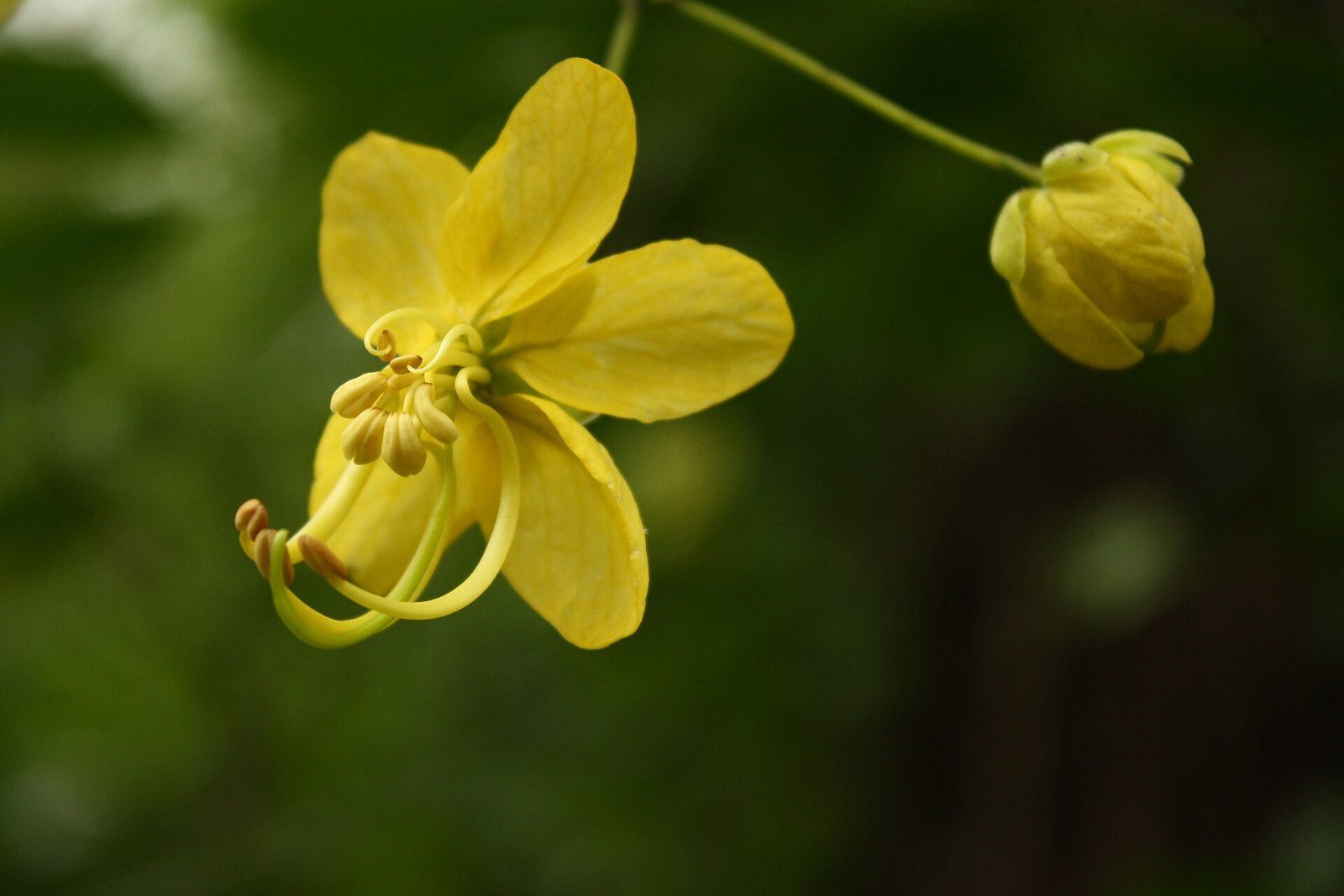 free petalbudlong curved stamens
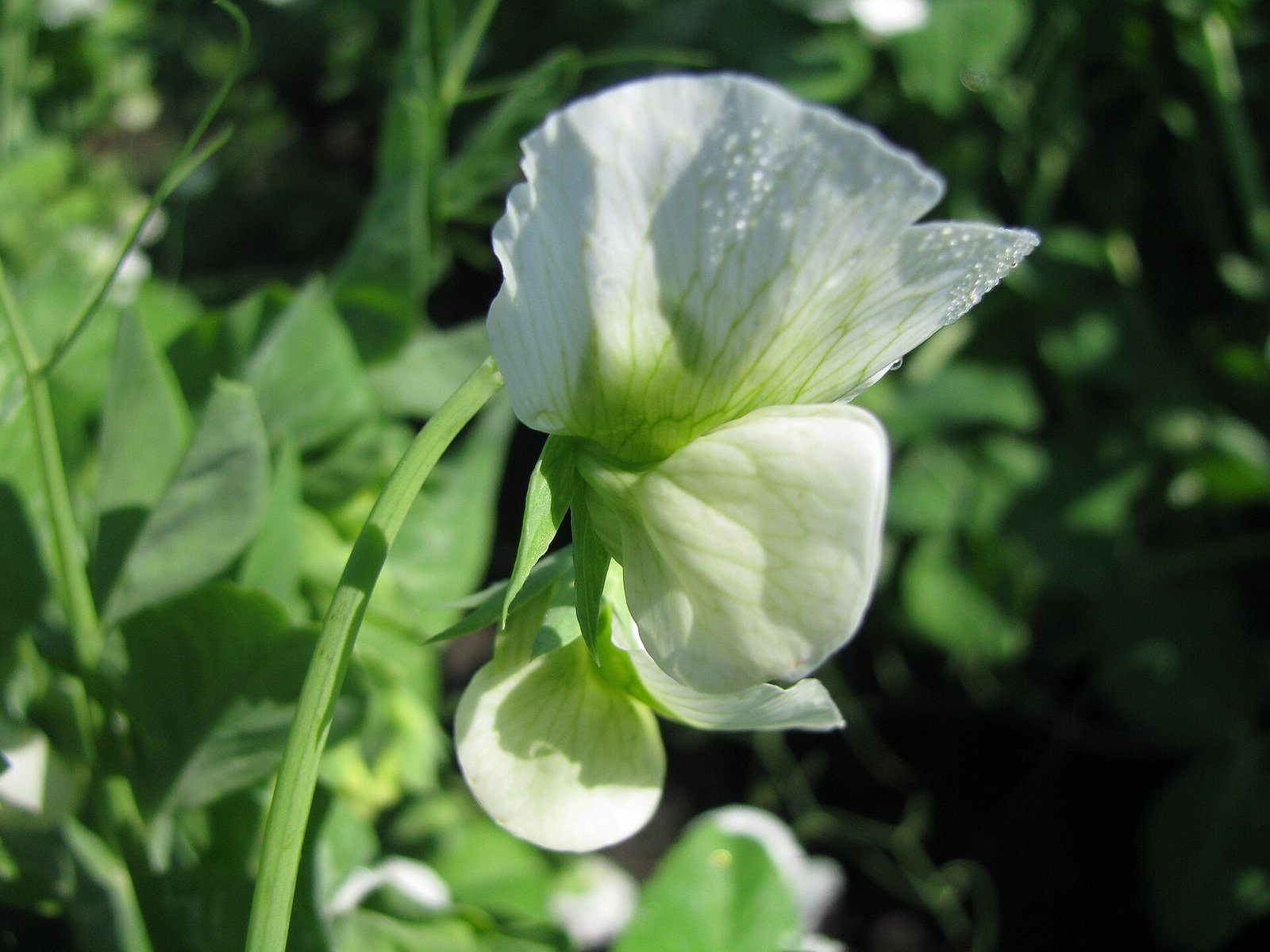 standardwingkeelsepals
Try it: decide which petal is outside at each place two petals meet, and let the widget name your bud.
To check twisted aestivation yourself, look at an unopened bhindi or china rose bud from above. The petals spiral like the folds of a closed umbrella.
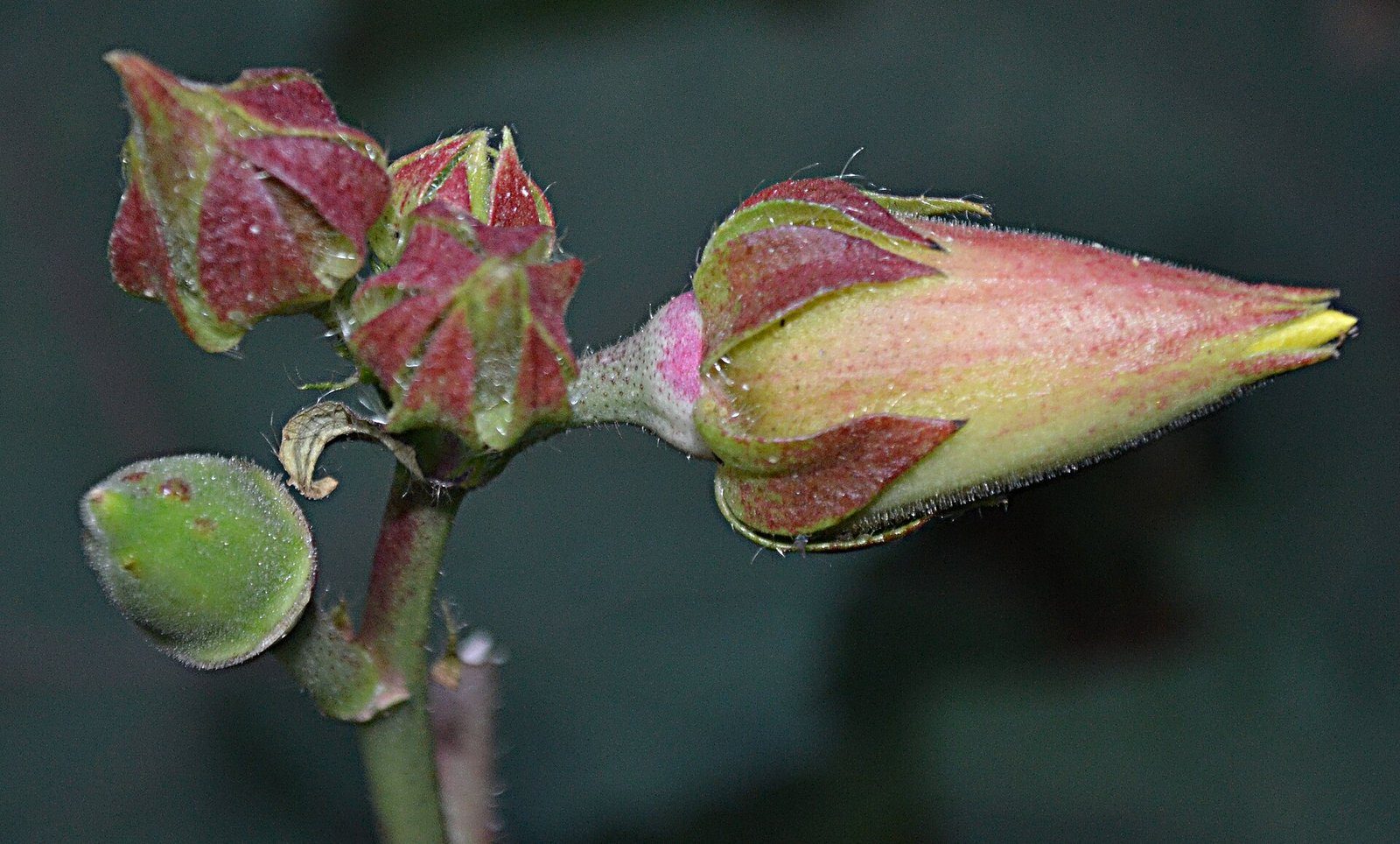 petals twisted
A bud is not just packed; it has to unpack. Watch a twisted bud open.
Now sort the textbook examples.
Don't mix these up
- Twisted = overlap in one direction (china rose, cotton, bhindi). Imbricate = overlap in no fixed direction (Cassia, gulmohur).
- Vexillary aestivation goes with pea and bean (the pea family). The standard is also called the vexillum.
- Aestivation is about the arrangement in the bud, not in the open flower.
Just remember
The four types have a reason (see the deep dive), but which plant has which is a list to learn. These hooks help.
- Gamo- joined, poly- free
- Gamos is Greek for marriage: gamopetalous petals are "married" into one tube. Poly means many: many separate petals.
- Valvate: Calotropis (aak)
- An aak bud looks like a small closed balloon with five straight seams, like the valves of a shut tap: edges meet, nothing overlaps.
- Twisted: china rose, lady's finger, cotton
- All three are cousins in one family, the mallow family. Picture a gudhal bud, a bhindi bud and a kapas bud lined up, all twisting the same way like a closed umbrella.
- Imbricate: Cassia, gulmohur
- Imbrex is Latin for a roof tile. Think of the yellow amaltas and the red gulmohur that light up Indian roads in summer: their petals lie like roof tiles thrown on in no set order.
- Vexillary: pea, bean
- Vexillum is Latin for a flag: the pea flower raises its big standard like a flag on a boat (wings at the sides, keel as the hull).
- Sepals
- Members of the calyx; usually green, protect the bud.
- Petals
- Members of the corolla; usually coloured, attract insects.
- Gamopetalous
- Petals joined together.
- Polysepalous
- Sepals free from each other.
- Aestivation
- How sepals or petals are arranged in the bud.
- Standard, wings, keel
- The one large, two side and two front petals of a pea flower.
Words to know
In a cotton bud, each petal overlaps the edge of the next, all in the same direction. The aestivation is
- valvate
- twisted
- imbricate
- vexillary
In a pea flower, which petals are the smallest and lie in front?
- The standard
- The wings
- The keel
A flower whose petals are joined into a tube is called
- polypetalous
- gamopetalous
- gamosepalous
Deep dive · optional
Why does every china rose bud twist the same way, and who are petals coloured for?
Why petals are folded at all, why the fold is the same in every bud of a plant, how a bud opens, and what a bee sees when it looks at a petal. The exam needs only the four names; this is what makes them make sense.
The roots: a bud is a growing package
- Why are petals folded inside a bud at all?Because they are made there. A petal grows from a tiny bump on the rim of a young bud, under the cover of the sepals. It keeps growing long before the flower opens, so a big, soft sheet has to fit inside a small, closed space. Folding is how any big sheet fits in a small box.
- Why do the edges overlap in a fixed way?Because the petals do not all start at the same moment or the same spot. In many flowers they begin one after another, in a spiral, the same way leaves begin on a shoot tip. The first petal to start is the furthest out, and later ones tuck inside it. As each petal widens, its edges meet its neighbours' edges; whether they just touch or slide over, and which one ends up outside, follows from that order of growth.
- Then why is it the same in every bud of one plant?Because the order and the rate of growth are set by the plant's genes, the same in every bud. That is why aestivation is useful to botanists: like the number of petals, it is a fixed feature of a species, often of a whole family. China rose, bhindi and cotton are all members of the mallow family, and all three twist.
- How does a folded bud open without tearing?By growing unevenly. Different parts of a petal grow at different speeds, and a sheet that grows more in one part than another has to bend. In a lily, the edges of each petal grow more than the middle, so the edges ruffle and the petal curls back: that alone is enough to open the bud.
- And why open, and why coloured?To be found. A flower that needs an animal to carry its pollen has to stand out from green leaves, to the eyes of that animal. A bee's eyes are not ours, so a petal's colour is tuned to a bee, not to you.
Check the spiral idea with numbers. Five petals made one after another on a spiral, each roughly two-fifths of a turn after the last, end up with a typical overlap: two petals with both edges outside (the first two made), two with both edges inside (the last two), and one with one edge out and one in. That pattern is so common it has a name, quincuncial, and it is one kind of imbricate aestivation. Twisted aestivation is different: every petal has exactly one edge out, a pattern where the petals behave as equals that all grow and slide the same way round. Valvate means no edge is out. Go back to the "Fold a bud" widget above and you will see these numbers, 2, 1 and 0, written on the petals.
The lily result comes from a 2011 study by Haiyi Liang and L. Mahadevan at Harvard. Earlier ideas said a bud opens because the midrib of each petal grows, or because the inner face grows faster than the outer face. By measuring growth in different parts of the petals and cutting parts away, they found the midrib plays only a small role; the extra growth at the petal edges does the work. They also found that in a closed lily bud the edges of the outer whorl sit in grooves along the midribs of the inner whorl, so the bud stays locked until the growing edges push hard enough to spring it.
The stories
See it
A honeybee's eye has three kinds of colour receptor, most sensitive at about 344 nm (ultraviolet), 436 nm (blue) and 544 nm (green). Yours are most sensitive at about 420, 534 and 564 nm. So a bee's colour world is shifted towards the short wavelengths: it gains ultraviolet and loses red. Many petals that look plain to us carry a pattern in ultraviolet, a target that points to the nectar.
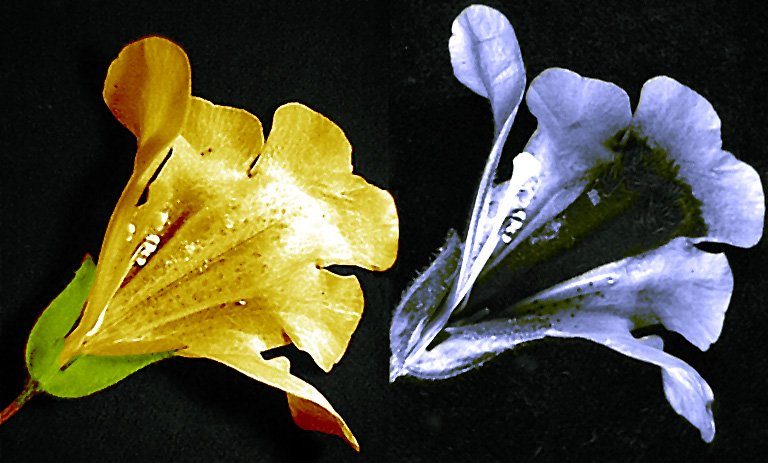 ordinary lightultraviolet: dark target
Try it: put a petal in front of each eye. The petal's curve (how much light it reflects at each wavelength) is multiplied by each receptor's curve, and the totals paint the flower twice.
The sunflower-type yellow is real in spirit: wild sunflowers all look the same yellow to us, but in ultraviolet the base of each ray floret is dark and the tip is bright, making a bull's-eye. A 2022 study of nearly 2,000 wild sunflowers found that the size of this bull's-eye varies a lot, that pollinators can tell the sizes apart, and that the same UV-absorbing pigments (flavonols) also help the petals lose less water, so dry places favour bigger bull's-eyes. The curves in the widget are simplified shapes, not measured spectra.
Solve it
Solve it
A bud has five petals, so five places where neighbours meet. At each place there are three possibilities: the edges just touch, the left petal is outside, or the right petal is outside. How many different buds are possible? How many of them are twisted? What does that tell you about every china rose bud on a bush being twisted?
Hint
Answer
Solve it
Two fields of wild sunflowers grow from the same stock, one in a dry, sunny place and one in a damp, cloudy place. After many generations, in which field would you expect the ultraviolet bull's-eyes on the petals to be larger? Give two reasons.
Answer
A student writes: "Bees cannot see red, so red flowers are invisible to bees and are never visited by them." What is the best correction?
- Bees can see red well
- Red looks dark to bees, not invisible; red flowers are mostly bird-visited
- Bees cannot see ultraviolet
Connect it
Connect it
- Leaves on a spiral, concept 4. Petals that start one after another follow the same kind of spiral as the leaves in phyllotaxy; that is where the quincuncial overlap comes from.
- Symmetry, concept 5. The vexillary corolla of the pea, with its one big standard, is what makes the pea flower zygomorphic: it can be cut into two mirror halves only one way.
- Pollination, Class 12 Ch 1. Colour, scent and nectar guides are the "advertisements" in agents of pollination.
- Ultraviolet, Physics Class 12 Ch 8. The bee sees light just past violet, about 300 to 400 nm, the band described in the electromagnetic spectrum.
- Your own sunscreen. The flavonols in a sunflower's bull's-eye absorb ultraviolet, which is also what the UV filters in a sunscreen do; the plant uses them to signal to bees and to save water.
Still confused?
Twisted and imbricate both overlap. How do I tell them apart for sure?
Count the outside edges of each petal. In twisted aestivation every petal has exactly one edge outside and one inside, all the same way round. In imbricate aestivation some petals have both edges outside and some have both inside. In valvate, no edge is outside at all.
Can a gamopetalous flower have aestivation, if its petals are joined?
Yes. Petals joined into a tube at the base still have free lobes at the top, and those lobes overlap in the bud. The frangipani in the video above has its petals joined at the base, and its lobes are clearly twisted in the bud.
Does aestivation apply to sepals too?
Yes. Aestivation is the arrangement of the sepals or the petals of one whorl in the bud. The same four words are used for the calyx; NEET questions almost always ask about the corolla.
Sources
- Harvard Gazette (2011): How the lily blooms; Liang and Mahadevan (2011), Growth, geometry, and mechanics of a blooming lily, PNAS 108: 5516
- Kitazawa and Fujimoto (2020): spiral initiation and quincuncial aestivation, Frontiers in Ecology and Evolution
- Malvaceae (mallow family): Hibiscus, cotton and okra
- Christian Konrad Sprengel and Nectar guide
- Karl von Frisch (bee colour experiment, Hess, Nobel Prize 1973)
- Vasas et al. (2017), J Comp Physiol A: honeybee receptor peaks 344, 436, 544 nm; Cone cell: human cone peaks
- Todesco et al. (2022), Genetic basis and dual adaptive role of floral pigmentation in sunflowers, eLife
- Rodríguez-Gironés and Santamaría (2004), Why are so many bird flowers red? PLOS Biology (on Raven 1972)
Picture and video credits
Show 12 picture and video credits
- china-rose-calyx-epicalyx.jpg: SAplants, CC BY-SA 4.0
- datura-funnel-corolla.jpg: Shahmubarak735, CC BY-SA 4.0
- bellflower-bell-corolla.jpg: Ermell, CC BY-SA 4.0
- brinjal-wheel-corolla.jpg: Baby Devi 26, CC BY-SA 4.0
- mustard-free-petals.jpg: Trikutdas, CC BY-SA 4.0
- calotropis-valvate-buds.jpg: Arivumathi, CC BY-SA 3.0
- china-rose-twisted-bud.jpg: B.navez, CC BY-SA 3.0
- cassia-fistula-bud-flower.jpg: Swati Sidhu, CC BY-SA 4.0
- pea-flower-standard-wings-keel.jpg: Zenon Sych, CC BY-SA 4.0
- okra-buds-twisted.jpg: Viswaprabha, CC BY-SA 3.0
- frangipani-bud-opening.mp4: Oz Zo, CC BY 3.0
- mimulus-nectar-guide-uv.jpg: Plantsurfer, CC BY-SA 3.0


