Act 03NCERT §4.1.5–4.2 · pp. 39–405 min
Segments, the notochord, and the map of all phyla
A body tube with a true coelom grows long and divides into repeated segments, each walled off inside.
One coach, then a whole train of them.
From the textbookpp. 39–40
NCERT Biology, Class 11 · Reprint 2026-27
3.0The big idea
Repeat it. Then a rod down the back.
Segments and the notochord complete the toolkit. Put every feature together and the animal kingdom falls into eleven phyla.
Full text
The big ideaTwo more features, a body built in repeated segments and a stiff rod along the back called the notochord, complete the toolkit; put all the features together and the animal kingdom falls into eleven phyla.
In simple words
Some animals are built like a train: the same kind of box joined again and again, each with some of the same parts inside. Some animals, while they are still tiny babies, grow a stiff rod down their back that holds the body straight. With these two questions and the ones before, we can draw a family map of all animals.
3.1Metameric segmentation
Built like a local train
- Segments outside and insideSome organs repeat in segment after segment.
- The pattern: metamerismEach segment is a metamere, a coach on the same plan.
- The earthworm is the exampleIts own excretory organs, nerve knots and muscles in every ring.
Full text
Segmentation
In some animals the body is divided into segments, both on the outside and on the inside, and at least some organs are repeated in segment after segment. This is metameric segmentation, and the pattern is called metamerism. Each segment is a metamere.
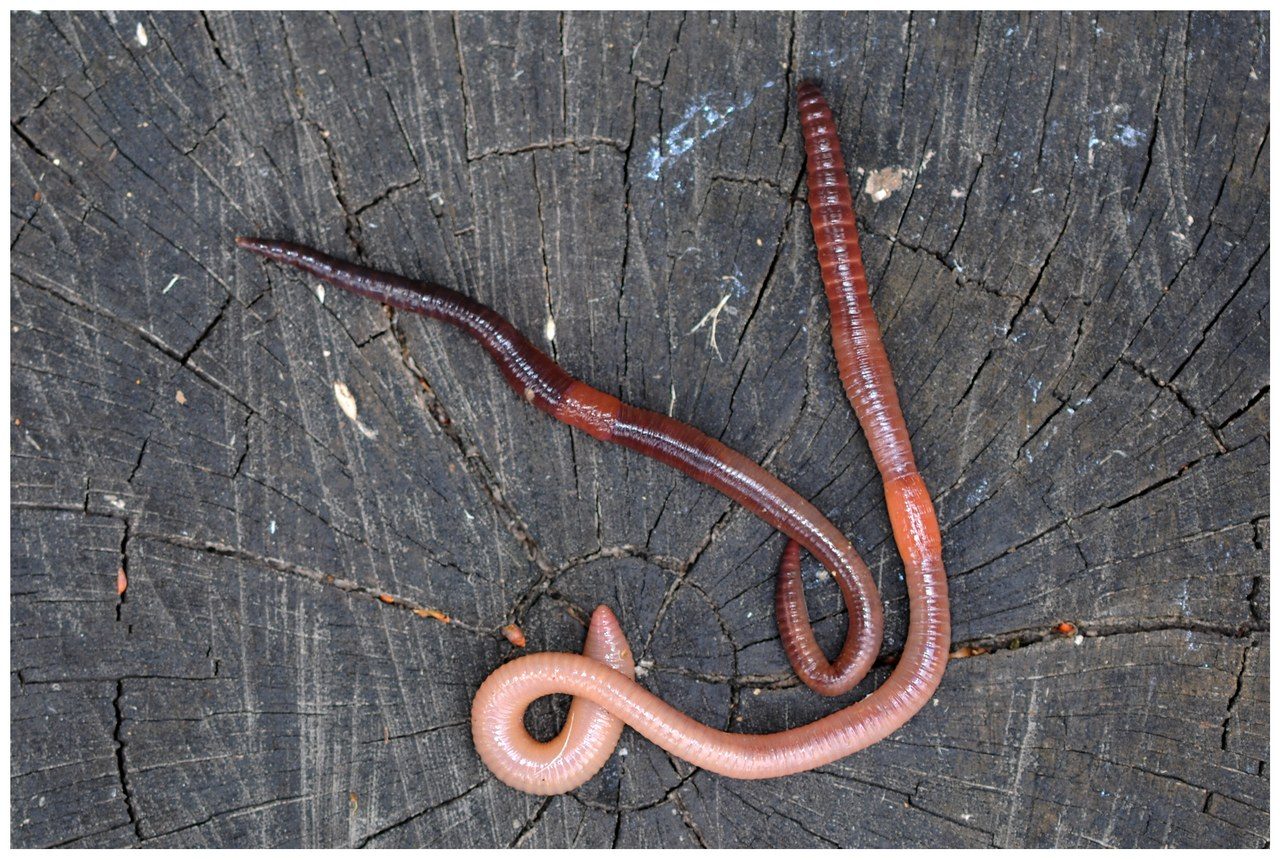
The best example is the earthworm: count the rings on one in your garden after the rain. Each ring is a segment with its own set of excretory organs, nerve knots and muscles.
Segmented phyla (Table 4.2 in the textbook): Annelida, Arthropoda and Chordata. Molluscs and echinoderms are not segmented.
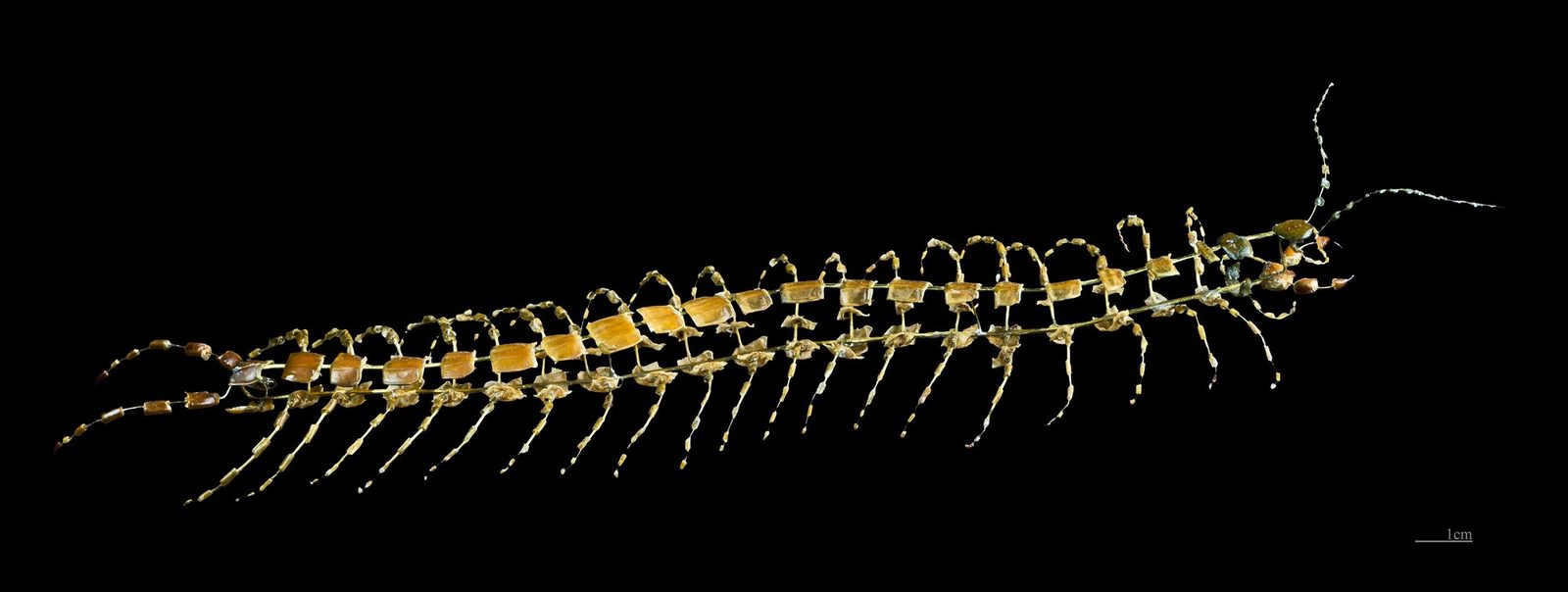
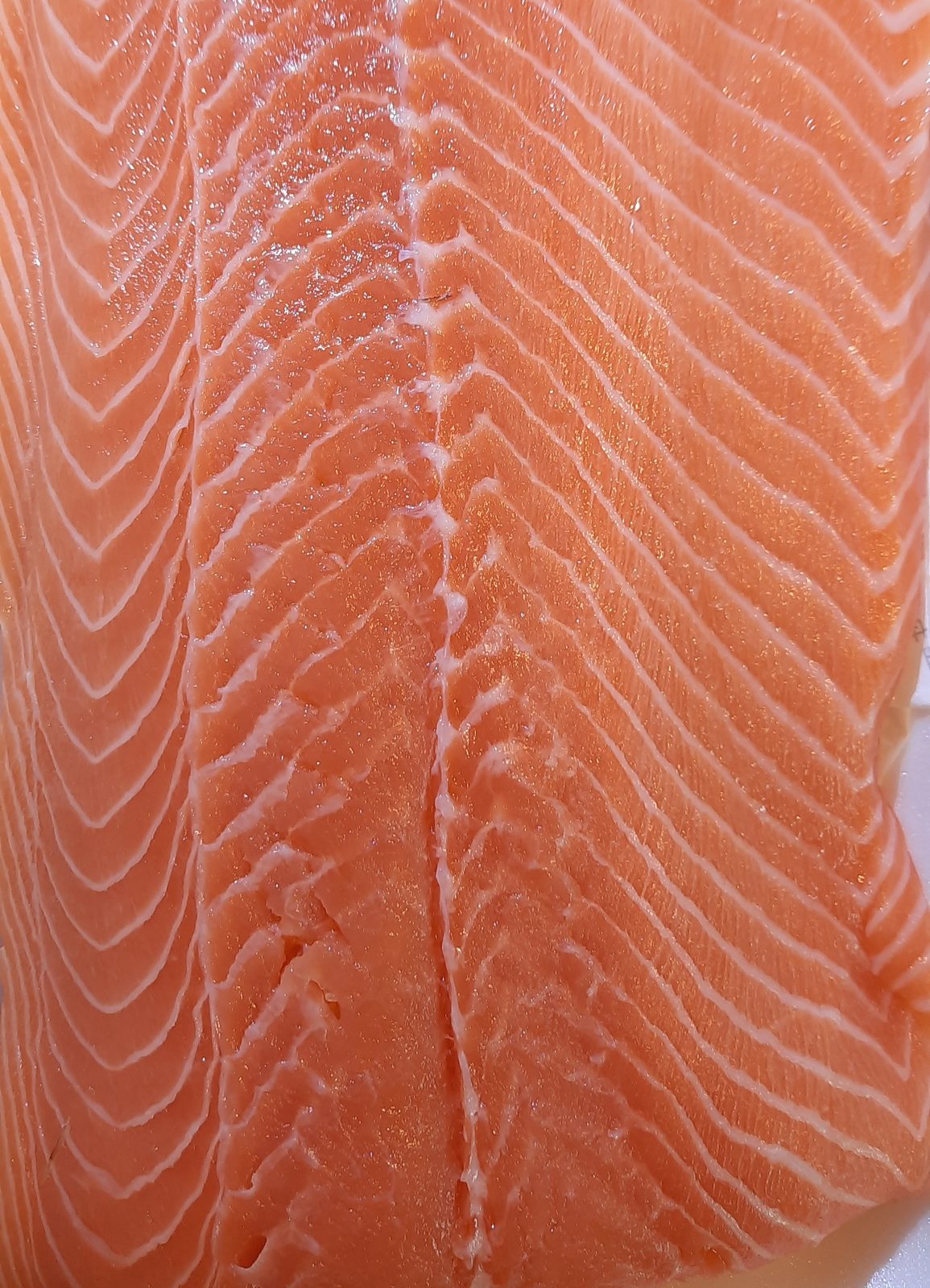
Segments look different in each of the three phyla. In an earthworm they are rings; in a centipede each one carries a pair of legs; in a fish they are hidden inside, as the zig-zag blocks of muscle you see in a fish steak.
3.2Two body plans, one long axis
A belly cord, or a back rod
Walls seal the coelom, segment by segment. The nerve cord runs along the belly.
A new plan: a stiff rod along the back.
The notochord on the dorsal side; the nerve cord above it. Segments show as muscle blocks.
3.3Segmented: Table 4.2
Rings, legs, zig-zags
Ring after ring, outside and in.
Each segment carries a pair of legs.
Hidden inside: zig-zag blocks of muscle. Molluscs and echinoderms are not segmented.
CheckCoelom, no segments
Which phylum fits?
An animal is triploblastic, bilateral and has a true coelom, but its body is not segmented. Which phylum could it be?
- Annelida
- Arthropoda
- Mollusca
- Aschelminthes
Try itSort the phyla
Segmented or not
Drop every phylum on its side.
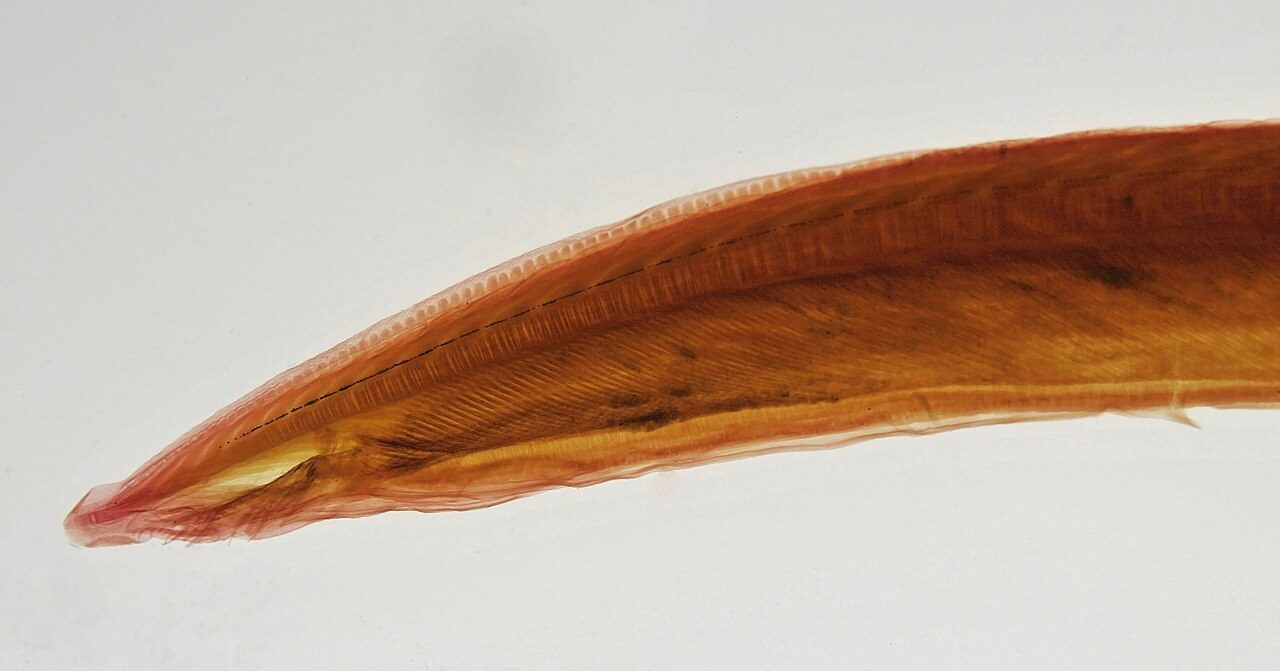
3.4The notochord · Branchiostoma, a lancelet
A rod along the back
- Rod-like, on the dorsal sideThe embryo's back.
- From the mesodermMesodermal in origin.
- Form one: chordatesNever form one: non-chordates, Porifera to Echinodermata, plus Hemichordata.
- In you: a few weeks in the wombThen the backbone took over, like a pandal's frame.
Full text
Notochord
The notochord is a rod-like support that forms along the dorsal side (the back) of the embryo. It grows from the mesoderm, so it is mesodermal in origin.
- Animals that form a notochord are chordates.
- Animals that never form one are non-chordates: every phylum from Porifera to Echinodermata (plus Hemichordata, as you'll see).
In you, the notochord was there for a few weeks in the womb, and was then replaced by the backbone.
CheckWhich layer?
Where does the rod come from?
The notochord develops from which germ layer?
- Ectoderm
- Mesoderm
- Endoderm
3.5The map of the animal kingdom
Five questions, eleven phyla
Ask them in order and every phylum finds its place. Echinoderms sit with the bilateral coelomates because their larvae are bilateral, though the adults are radial.
Full text
The map of the animal kingdom
Ask the questions in order and every phylum finds its place:
- Level of organisation? Cellular: Porifera. Tissue, organ or organ system: go on.
- Symmetry? Radial (with no coelom): Coelenterata and Ctenophora. Bilateral: go on.
- Body cavity?
- None (acoelomate): Platyhelminthes.
- False coelom (pseudocoelomate): Aschelminthes.
- True coelom (coelomate): Annelida, Arthropoda, Mollusca, Echinodermata, Hemichordata, Chordata.
Echinoderms sit with the bilateral coelomates in this chart because their larvae are bilateral, even though the adults are radial.
- 1
Level of organisation?
CellularPorifera
Tissue, organ or organ system
- 2
Symmetry and germ layers?
Radial · two layersCoelenterataCtenophora
Bilateral · three layers
- 3
Body cavity?
NonePlatyhelminthes
False coelomAschelminthes
True coelom
- 4
Segmented?
NoMolluscaEchinodermataHemichordata
Yes
- 5
Notochord?
NoAnnelidaArthropoda
YesChordata
Try itTwenty questions
Find the phylum
Which question narrows the eleven fastest?
3.6All the phyla on one page
Eleven rows to come back to
The next five acts fill in each row. Lit: the segmented three.
- PoriferaPores and canals in the body wallCellularVariousAbsentNot segmentedAbsentNo circulationNo breathing organs
- CoelenterataCnidoblastsTissueRadialAbsentNot segmentedIncompleteNo circulationNo breathing organs
- CtenophoraComb plates for movingTissueRadialAbsentNot segmentedIncompleteNo circulationNo breathing organs
- PlatyhelminthesFlat body, suckersOrgan and organ systemBilateralAbsentNot segmentedIncompleteNo circulationNo breathing organs
- AschelminthesLong, worm-shaped bodyOrgan systemBilateralPseudocoelomNot segmentedCompleteNo circulationNo breathing organs
- AnnelidaBody in ring-like segmentsOrgan systemBilateralCoelomSegmentedCompleteCirculationNo breathing organs
- ArthropodaCuticle exoskeleton, jointed legsOrgan systemBilateralCoelomSegmentedCompleteCirculationBreathing organs
- MolluscaShell outside, usuallyOrgan systemBilateralCoelomNot segmentedCompleteCirculationBreathing organs
- EchinodermataWater vascular systemOrgan systemRadialCoelomNot segmentedCompleteCirculationBreathing organs
- HemichordataProboscis, collar, trunkOrgan systemBilateralCoelomNot segmentedCompleteCirculationBreathing organs
- ChordataNotochord, dorsal hollow nerve cord, gill slitsOrgan systemBilateralCoelomSegmentedCompleteCirculationBreathing organs
Cellular, tissue, organ, organ systemRadialBilateralNo coelomFalseTrueGut, one openingCompletePresent
Full text
All the phyla on one page
This is the table to come back to. The next five concepts fill in each row.
| Phylum | Level | Symmetry | Coelom | Segments | Gut | Circulation | Breathing organs | Stand-out feature |
|---|---|---|---|---|---|---|---|---|
| Porifera | Cellular | Various | Absent | Absent | Absent | Absent | Absent | Pores and canals in the body wall |
| Coelenterata | Tissue | Radial | Absent | Absent | Incomplete | Absent | Absent | Cnidoblasts |
| Ctenophora | Tissue | Radial | Absent | Absent | Incomplete | Absent | Absent | Comb plates for moving |
| Platyhelminthes | Organ and organ system | Bilateral | Absent | Absent | Incomplete | Absent | Absent | Flat body, suckers |
| Aschelminthes | Organ system | Bilateral | Pseudocoelom | Absent | Complete | Absent | Absent | Long, worm-shaped body |
| Annelida | Organ system | Bilateral | Coelom | Present | Complete | Present | Absent | Body in ring-like segments |
| Arthropoda | Organ system | Bilateral | Coelom | Present | Complete | Present | Present | Cuticle exoskeleton, jointed legs |
| Mollusca | Organ system | Bilateral | Coelom | Absent | Complete | Present | Present | Shell outside, usually |
| Echinodermata | Organ system | Radial | Coelom | Absent | Complete | Present | Present | Water vascular system |
| Hemichordata | Organ system | Bilateral | Coelom | Absent | Complete | Present | Present | Proboscis, collar, trunk |
| Chordata | Organ system | Bilateral | Coelom | Present | Complete | Present | Present | Notochord, dorsal hollow nerve cord, gill slits |
Remember
- Segmented (metameric): Annelida, Arthropoda, Chordata. Earthworm is the textbook example.
- Notochord: dorsal, rod-like, mesodermal. Present = chordate; never formed = non-chordate.
- Organ system level + bilateral + true coelom + segments = Annelida, Arthropoda, Chordata.
3.7Remember
A-A-C
Annelida, Arthropoda, Chordata: the segmented coach
- Organ system, bilateral, true coelom, segmentsOnly these three phyla.
- Notochord: dorsal, rod-like, mesodermalPresent means chordate; never formed means non-chordate.
CheckRead the table
A gut but no blood?
Which phylum has a complete gut but no circulatory system?
- Platyhelminthes
- Aschelminthes
- Annelida
- Coelenterata
KeepJust remember
The train and the back rod
Facts to learn: tap a card for its hook.
WordsTo know
Six words
- Metamerism
- A body built of repeated segments, outside and inside.
- Metamere
- One segment of such a body.
- Notochord
- A rod of mesoderm along the back of an embryo.
- Dorsal
- On the back side. Ventral is the belly side.
- Chordate
- An animal that forms a notochord.
- Phylum
- A big group of animals sharing the same basic body plan.
NEETAsked in the exam
The real thing
RootsVolume = length × width²
4×longer
squeeze a segment to half its width
- Thin parts slide, fat parts gripA wave of both moves the worm.
- Septa seal one fluid bag per segmentShape changes, volume can't.
- One set of instructions, repeatedFly segment genes (1970s, 1980s): the 1995 Nobel Prize.
See itCrawl
A small squeeze, a big stretch
Squeeze a segment; then take the walls away.
RootsAnd the notochord?
A rod that bends
- Fluid-swollen cells in a tough sheathStiff along its length, yet bendable.
- Pulls bend it instead of shortening itLeft, right, left: swimming waves.
- The backbone took the jobStronger, and in pieces so it still bends.
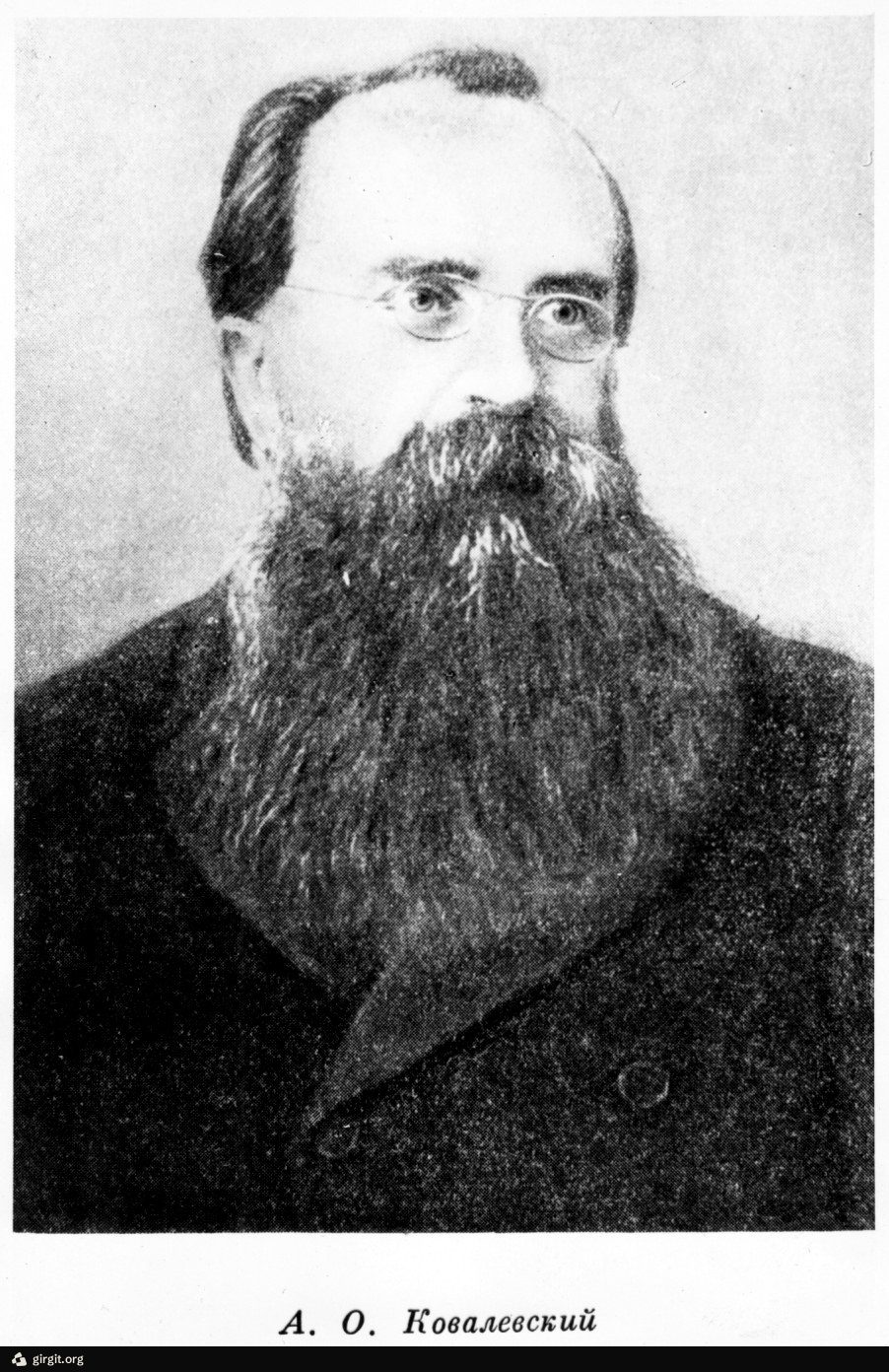
StoryCharles Darwin, The Descent of Man
It seems that we have at last gained a clue to the source whence the Vertebrata were derived.
"Mr. Kovalevsky has lately observed that the larvæ of Ascidians are related to the Vertebrata, in their manner of development."
StoryA lumpy bag on a rock
The rod in the tadpole
- 1866Alexander KovalevskyThe young Russian zoologist finds a notochord and hollow nerve cord in a sea squirt larva's tail.
- 1867The lanceletAmphioxus, studied next.
- Then"At some stage of life"Grouped with molluscs before; a sea squirt keeps the badge only as a larva.
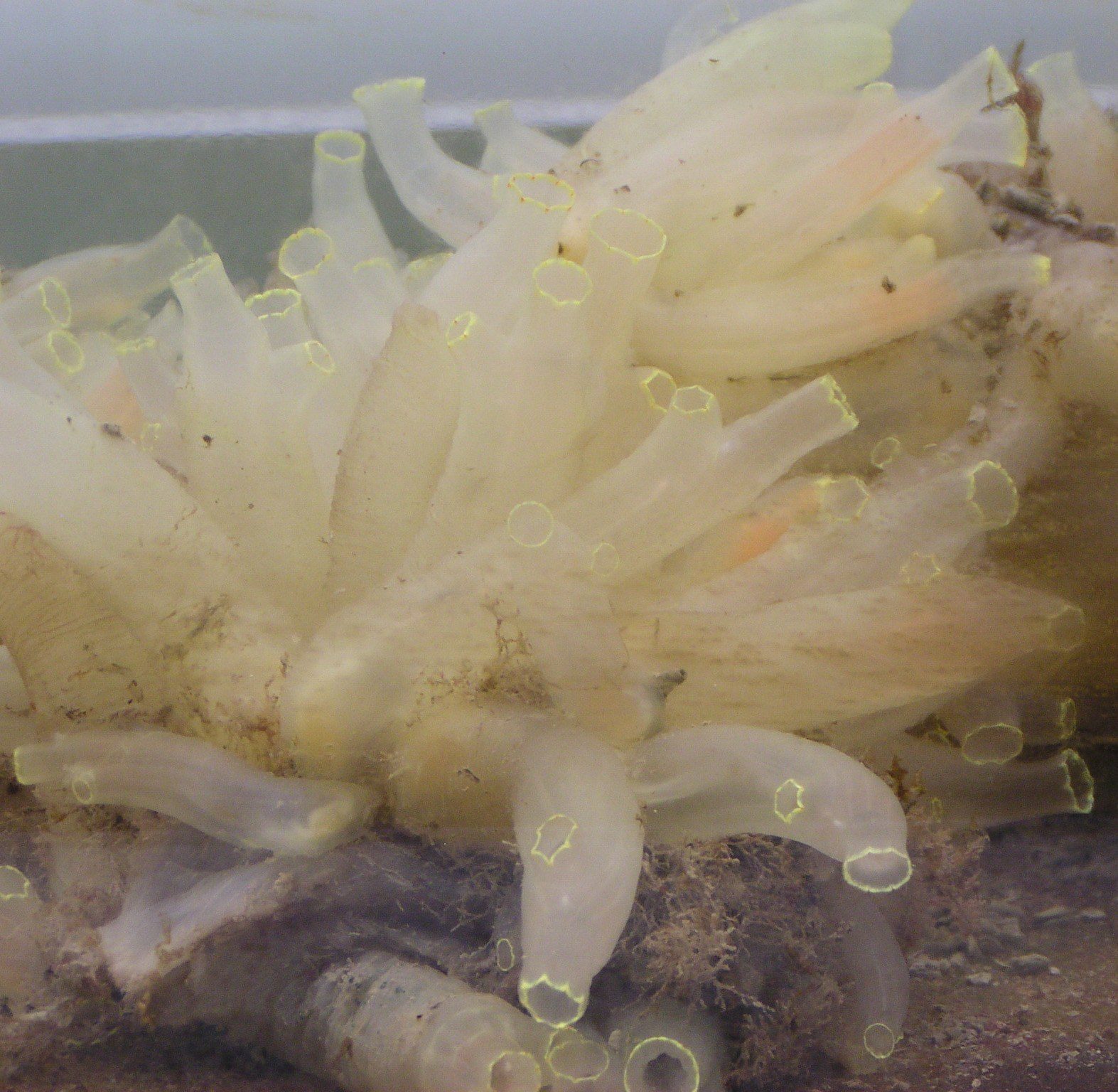 siphons
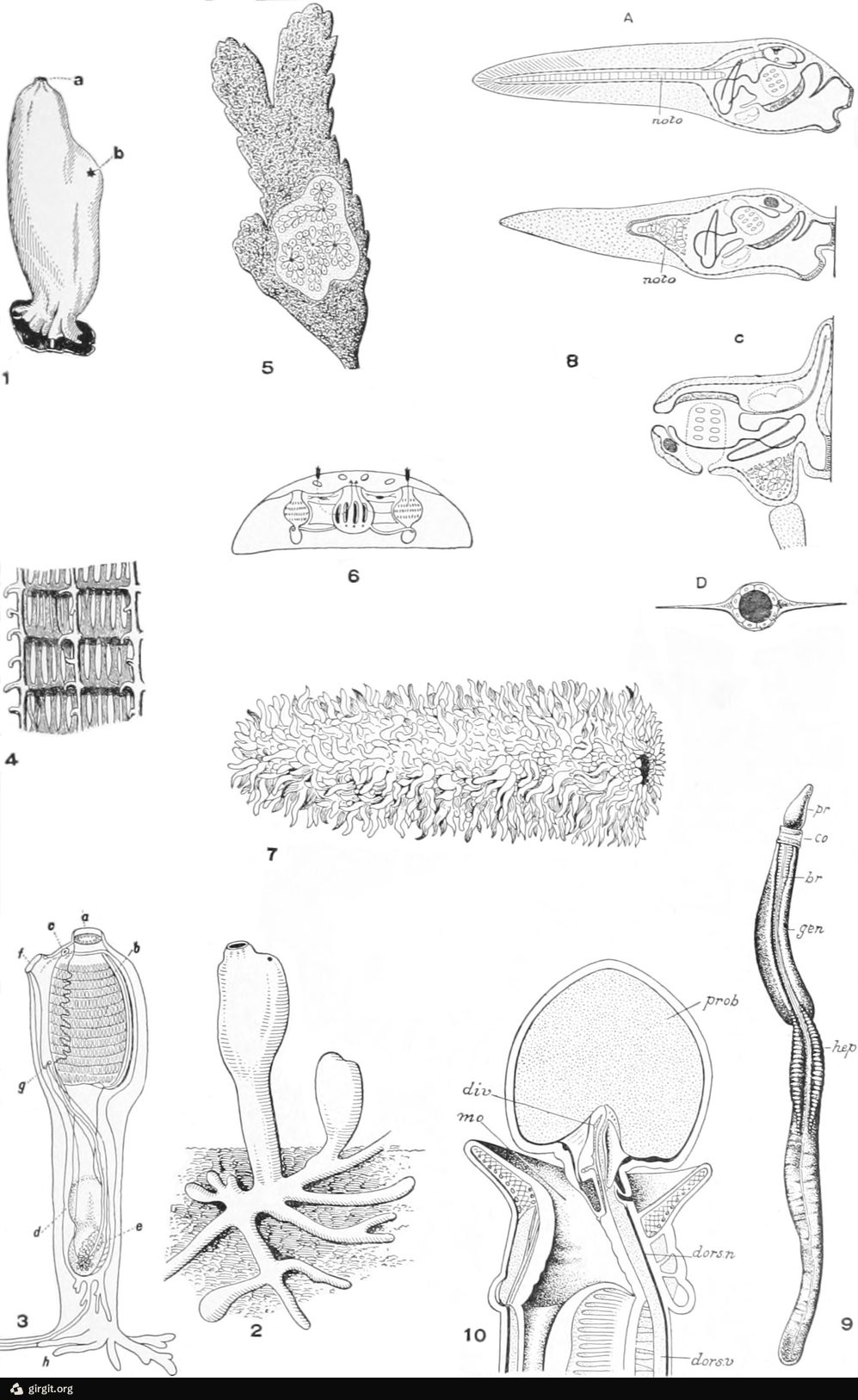 larva: notochord in the tailadult sea squirtacorn worm
See itAdult and larva
Bag, then tadpole
Adult sea squirts have no notochord left. A 1905 plate marks it, noto, in the larva's tail.
Solve itTwo problems and a check
Your turn
Solve it
An earthworm segment is 10 mm long and 4 mm wide. Its circular muscles squeeze it to 3 mm wide. How long does it become? And how wide would it be if its longitudinal muscles shortened it to 7 mm instead?
Hint
Answer
Solve it
An animal is found whose adult has a pharynx with gill slits, sits fixed to a rock and has no notochord. Its larva has never been seen. Is it a chordate? What would settle the question?
Answer
Why can't an earthworm crawl if the walls (septa) between its segments are removed?
- Its muscles would be destroyed
- Fluid would flow between segments, so no part could stay fat and grip
- It would lose its nephridia
ConnectAnd still confused?
Where this goes next
Connect it
- Earthworm and cockroach, Ch 7. Segments in detail: the earthworm and the cockroach, whose segments are grouped into head, thorax and abdomen.
- Your backbone, Ch 17. What replaced the notochord: the axial skeleton.
- Chordates, concept 8. The three badges, and the sea squirt and lancelet in detail.
- Evolution, Class 12. Shared embryos as evidence for evolution.
A cockroach's segments don't all look alike. Is it still metamerically segmented?
Yes. The segments are there, in the embryo and in the abdomen, but many have fused into groups that do different jobs (head, thorax, abdomen). Specialised segments are still segments.
Is the notochord the same as the spinal cord?
No. The notochord is a supporting rod made from mesoderm. The spinal cord is the dorsal hollow nerve cord, made from ectoderm, lying just above it. In vertebrates the vertebrae grow around both: the backbone replaces the notochord and protects the spinal cord.