Act 06NCERT §4.2.7–4.2.8 · pp. 44–456 min
Arthropods and molluscs: the two biggest phyla
The segmented worm hardens into an insect: an outer skeleton in three parts, head, thorax and abdomen, with jointed legs and antennae.
Put armour on a segmented body, and hinge the legs.
From the textbookpp. 44–45
NCERT Biology, Class 11 · Reprint 2026-27
6.0The big idea
Armour outside, or a shell.
Arthropods, with a hard outer coat and jointed legs, are the largest animal phylum on Earth. Molluscs, soft bodies usually inside a shell, are the second largest.
Full text
The big ideaArthropods, with a hard outer coat and jointed legs, are the largest animal phylum; molluscs, soft bodies usually inside a shell, are the second largest.
In simple words
Most kinds of animals on Earth are bugs, spiders, crabs and their cousins. They wear their bones on the outside like armour, and their legs bend at joints like the arms of a folding lamp. Snails, oysters and octopuses are a different group: soft, squishy animals, most living inside a hard shell they make themselves, with one big muscle foot to crawl on.
6.1Phylum Arthropoda · arthros joint + poda appendages
2 of 3
named species: more than two in every three are arthropods. The largest phylum, insects included.
- 1
Level of organisation?
CellularPorifera
Tissue, organ or organ system
- 2
Symmetry and germ layers?
Radial · two layersCoelenterataCtenophora
Bilateral · three layers
- 3
Body cavity?
NonePlatyhelminthes
False coelomAschelminthes
True coelom
- 4
Segmented?
NoMolluscaEchinodermataHemichordata
Yes
- 5
Notochord?
NoAnnelidaArthropoda
YesChordata
6.2Organ system · bilateral · triploblastic · segmented · coelomate
A knight in armour
A hard outer covering made of chitin.
Head, thorax and abdomen.
Armour can't bend, so it is plates joined at hinges. To grow, it must be taken off: a moult.
Antennae, compound and simple eyes, and statocysts for balance.
6.3Inside the armour
Four ways to breathe
Air
Breathing organs
- Prawn
- Gills
- King crab
- Book gills
- Scorpion, spider
- Book lungs
- Insects
- A tracheal system of air tubes
Flow
Blood and waste
- Circulation
- Open
- Excretion
- Malpighian tubules
Young
Reproduction
- Sexes
- Mostly dioecious
- Fertilisation
- Usually internal
- Eggs
- Mostly oviparous: egg-laying
- Development
- Direct or indirect
Full text
Phylum Arthropoda
The largest phylum of animals, and it includes the insects. Of every three species that scientists have named, more than two are arthropods. The name means "jointed feet": arthros, joint, and poda, appendages.
- Organ system level, bilateral, triploblastic, segmented, coelomate.
- A chitinous exoskeleton: a hard outer covering made of chitin.
- Body in three parts: head, thorax and abdomen.
- Jointed appendages: legs and other limbs that bend at joints.
- Breathing organs vary: gills (prawn), book gills (king crab), book lungs (scorpion, spider) or a tracheal system of air tubes (insects).
- Open circulatory system.
- Senses: antennae, compound and simple eyes, and statocysts (balancing organs).
- Excretion: Malpighian tubules.
- Mostly dioecious, fertilisation usually internal, mostly oviparous (egg-laying). Development direct or indirect.
Examples to remember, sorted the way the textbook groups them:
| Group | Genus | Common name, and why it matters |
|---|---|---|
| Economically useful insects | Apis | Honey bee: honey, wax, pollination |
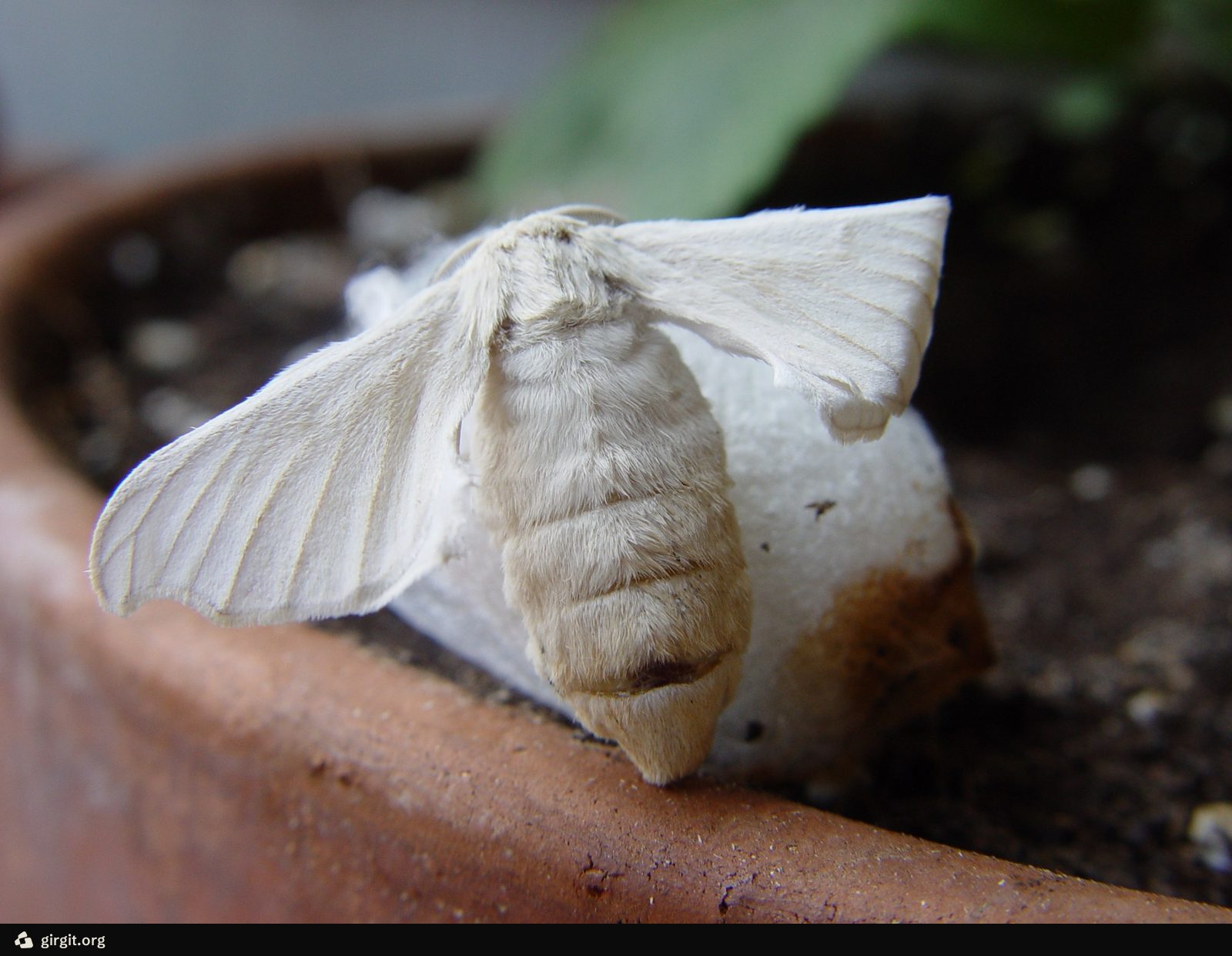
| Bombyx | Silkworm: the silk of Mysore and Kanchipuram saris | |
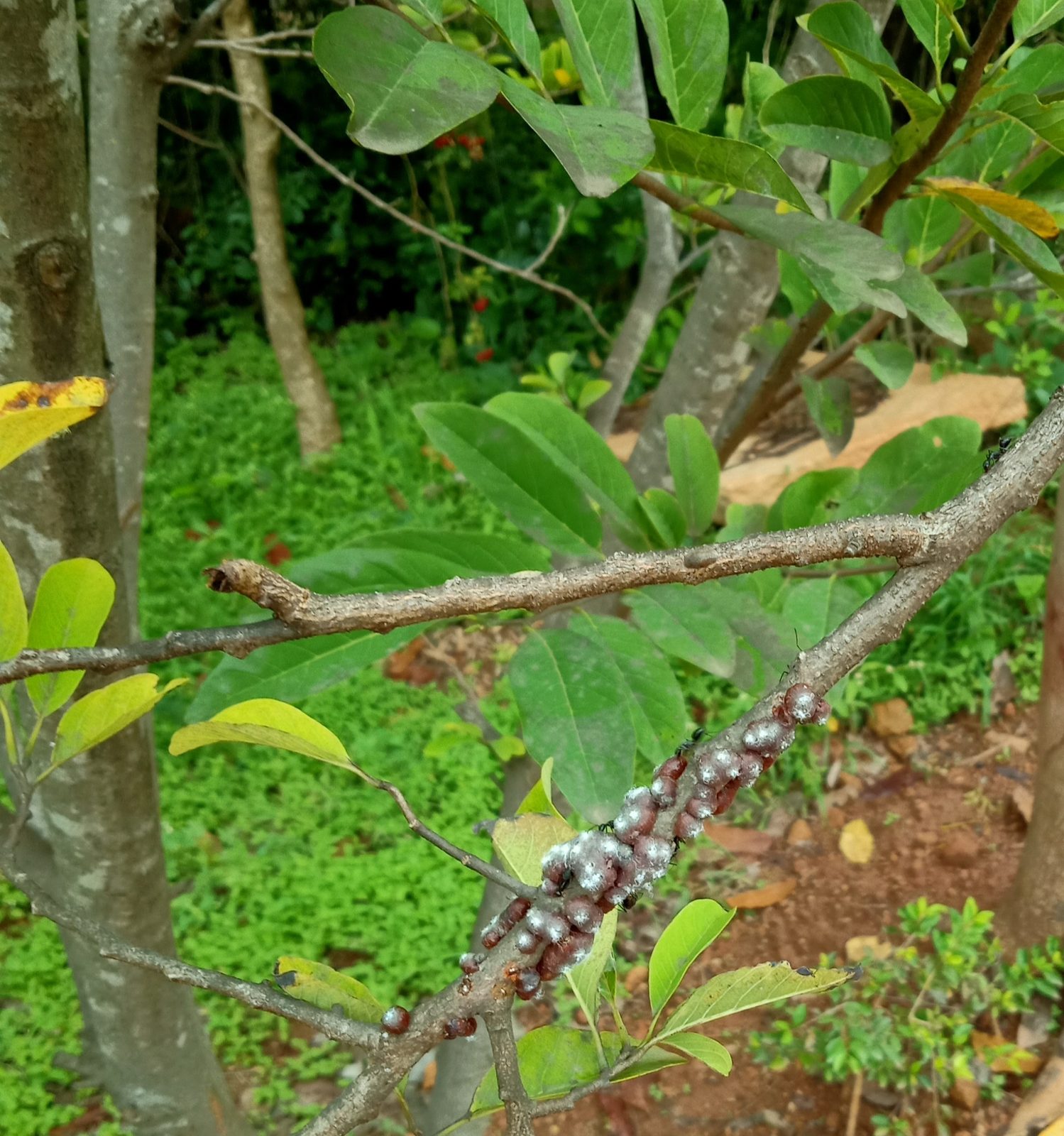
| Laccifer | Lac insect: lac for bangles, sealing wax and varnish | |
| Vectors (carry disease) | Anopheles | Mosquito that spreads malaria |
| Culex | Mosquito that spreads filariasis | |
| Aedes | Mosquito that spreads dengue | |
| Gregarious pest | Locusta | Locust: swarms in millions and strips crops (Rajasthan, 2020) |
| Living fossil | Limulus | King crab: almost unchanged for hundreds of millions of years |
Gregarious means living in large groups. A living fossil is a living species that closely resembles its very ancient relatives known from fossils.
Try itOff with the armour
Grow in steps
Follow a caterpillar's hard head through its moults.
6.4Examples, as the textbook groups them
Useful, harmful, ancient
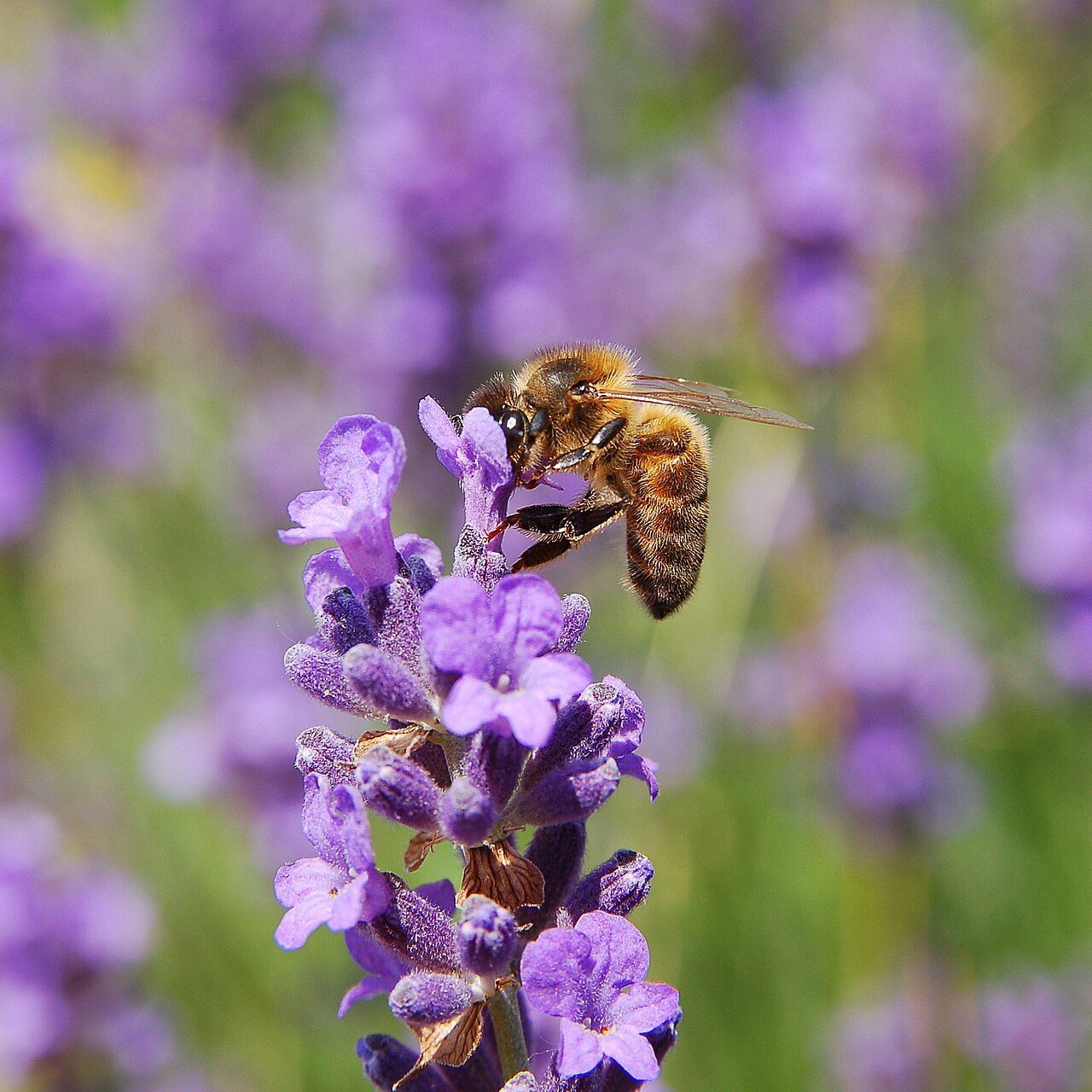
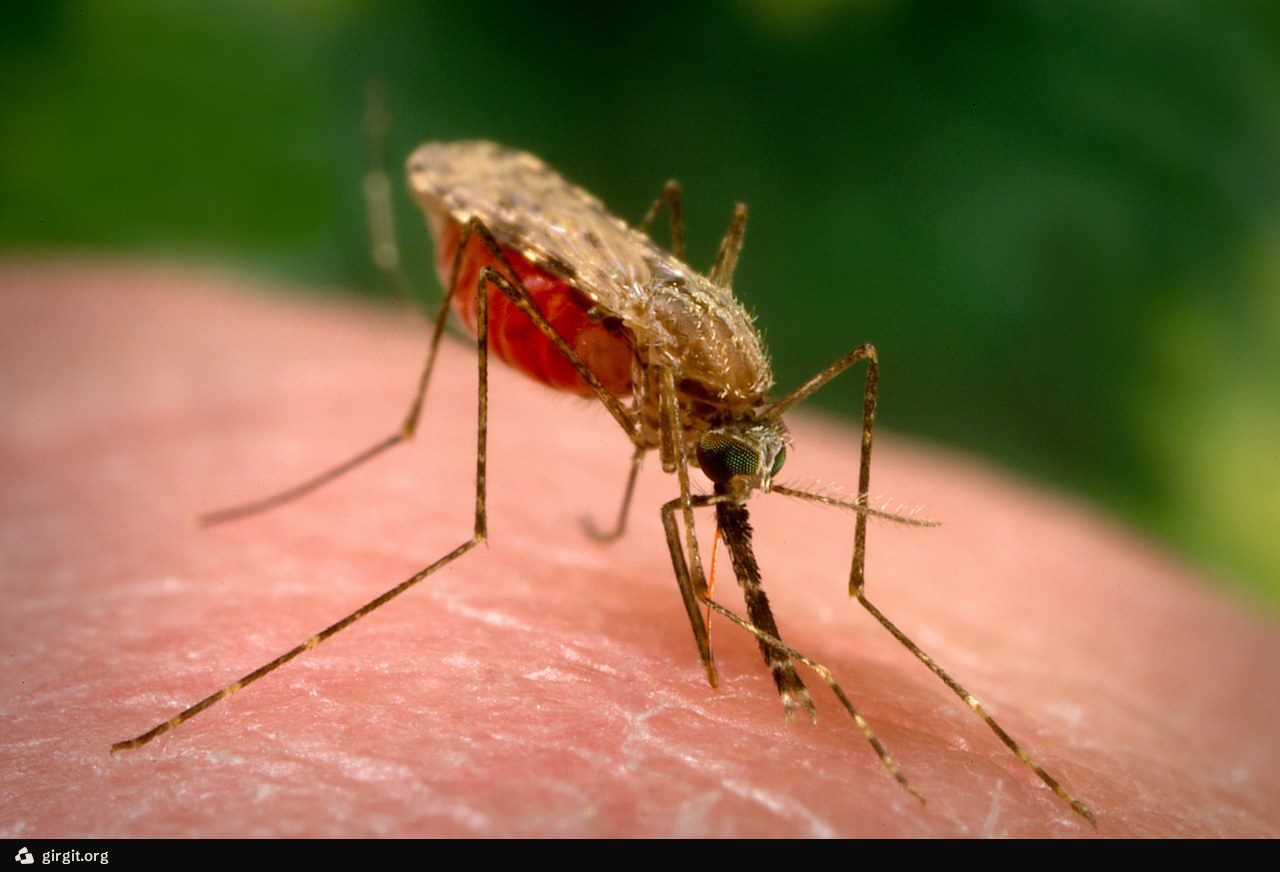
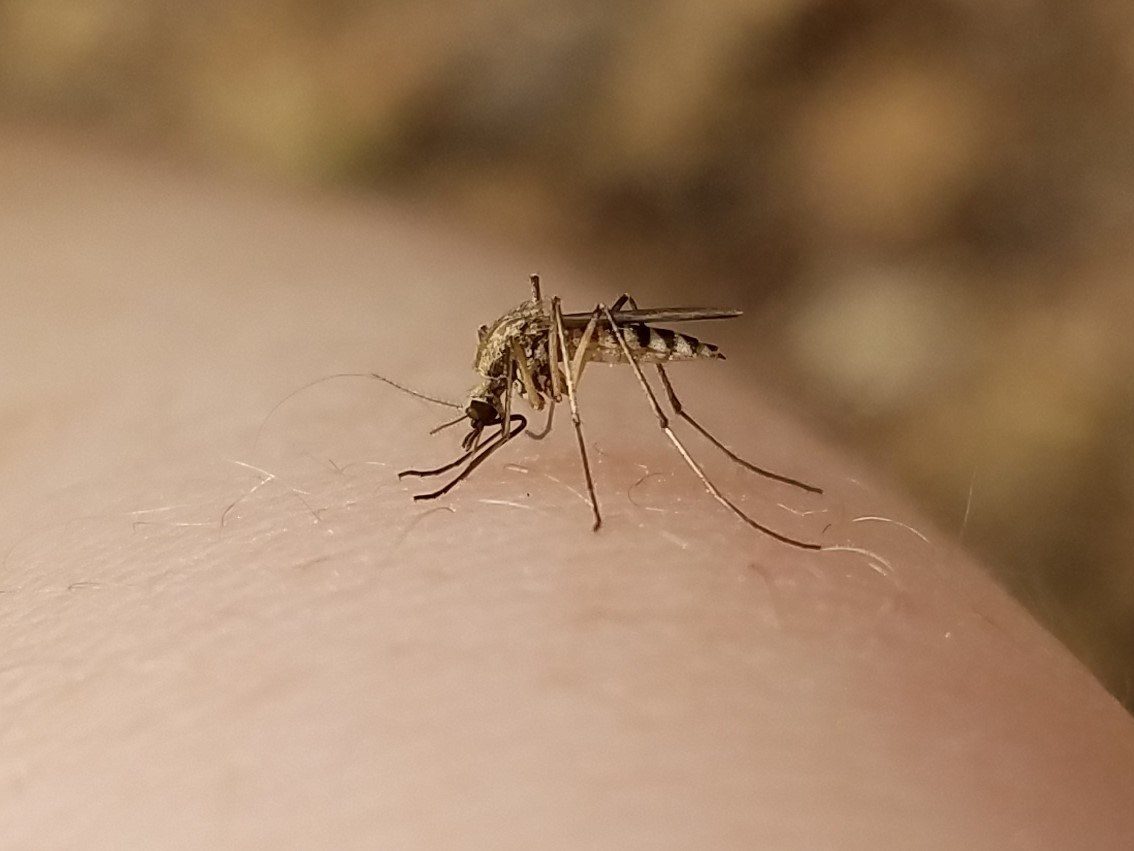
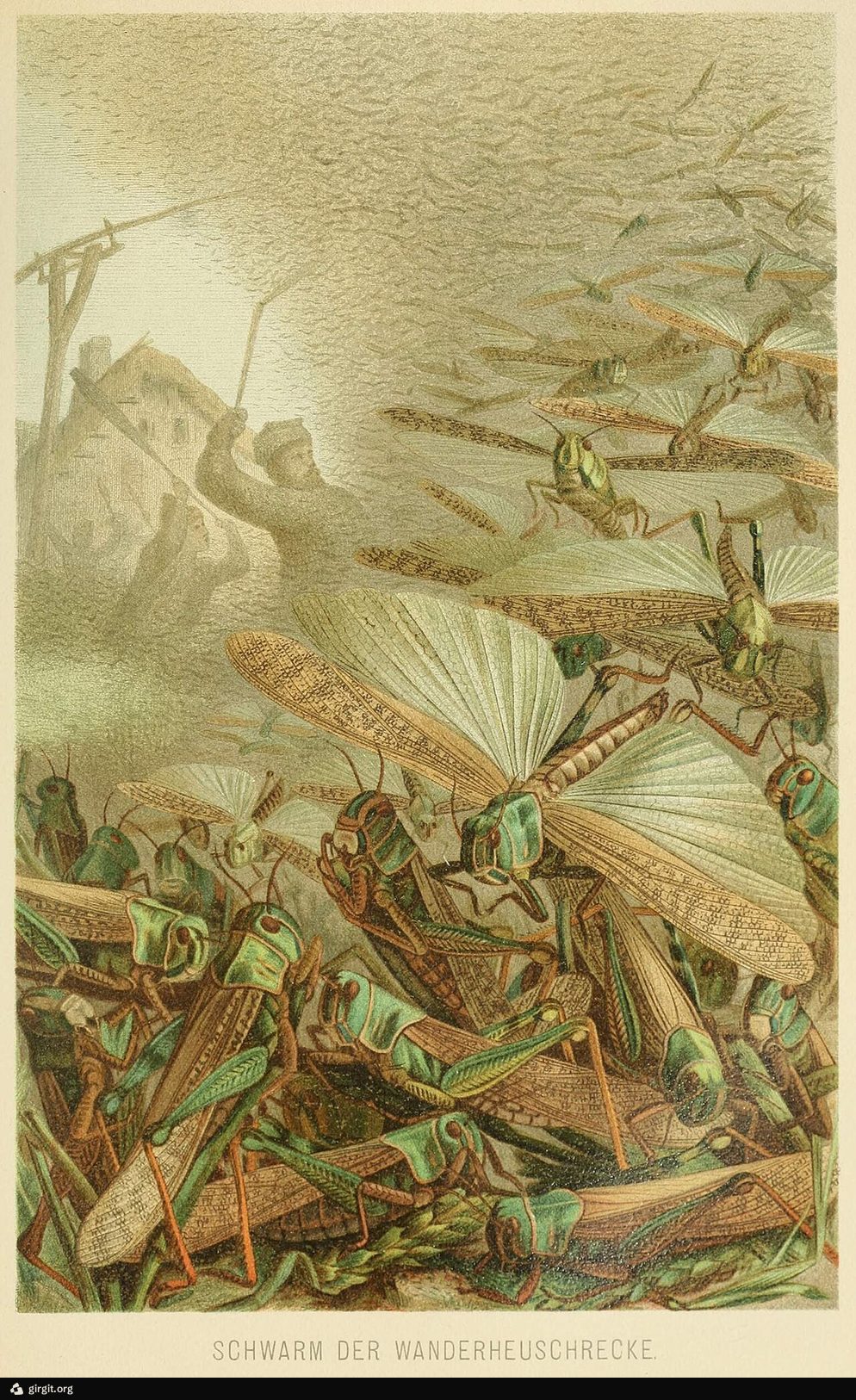
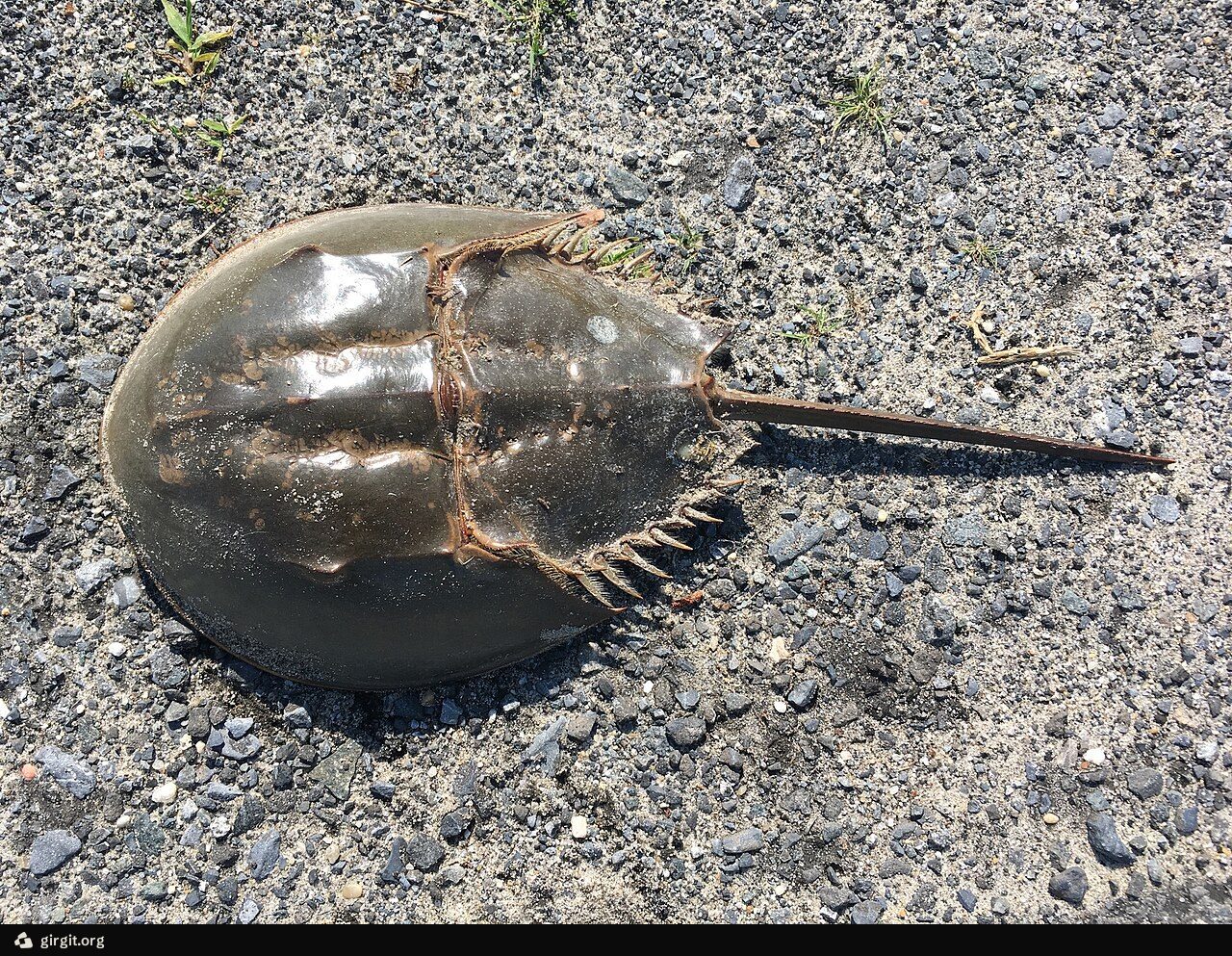
Apis, the honey bee: honey, wax, pollination.
Bombyx, the silkworm: Mysore and Kanchipuram silk.
Laccifer, the lac insect, GKVK Bangalore: lac for sealing wax and varnish.
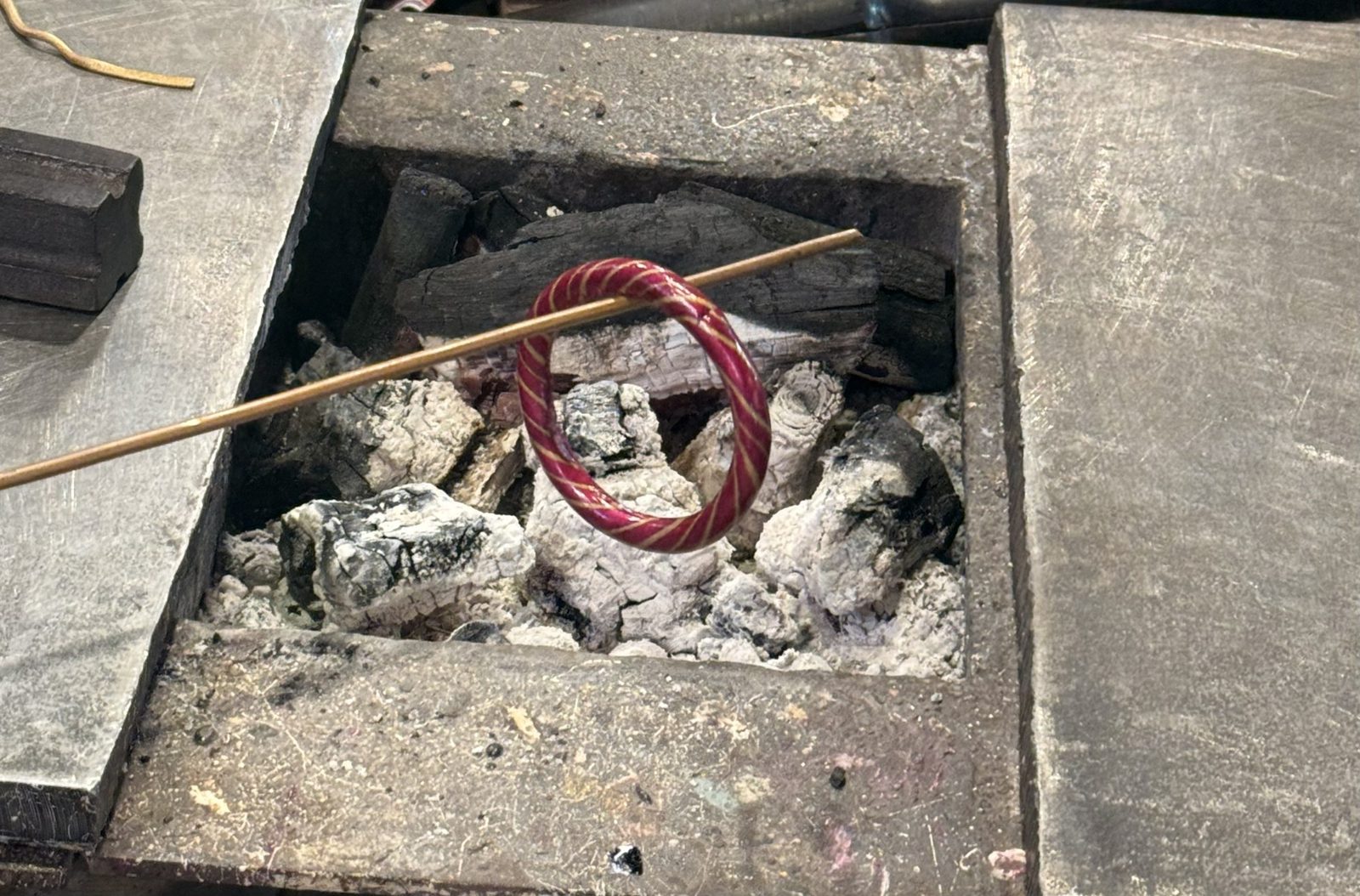
Bangles at Laad Bazaar, Hyderabad.
Anopheles: malaria. Culex: filariasis.
Aedes: dengue.
Locusta: swarms in millions, strips crops (Rajasthan, 2020).
Limulus, the king crab: like its ancient fossil relatives, almost unchanged for hundreds of millions of years.
CheckUseful or harmful?
Which one is a vector?
Which arthropod is a vector rather than a useful insect?
- Apis
- Laccifer
- Aedes
- Bombyx
6.5Phylum Mollusca · "soft-bodied"
Head, foot and hump
- The second largest phylumOn land, in sea or fresh water.
- Organ system, bilateral, triploblastic, coelomateBody unsegmented, under a calcareous (chalky) shell.
- The mantle covers the visceral humpBetween them, the mantle cavity: gills for breathing and excretion.
Full text
Phylum Mollusca
The second largest animal phylum. "Mollusc" means soft-bodied. Molluscs live on land or in water (sea or fresh).
- Organ system level, bilateral, triploblastic, coelomate.
- Body unsegmented, covered by a calcareous (chalky, calcium carbonate) shell.
- Three body regions: a distinct head, a muscular foot and a visceral hump (the bag holding the internal organs).
- A soft, spongy layer of skin, the mantle, covers the visceral hump. The space between hump and mantle is the mantle cavity, holding feather-like gills that do both breathing and excretion.
- The head carries sensory tentacles.
- The mouth has a file-like rasping organ for feeding, the radula.
- Usually dioecious and oviparous, with indirect development.
Examples (each has a common name worth knowing):
| Genus | Common name |
|---|---|
| Pila | Apple snail (common in Indian paddy fields and ponds) |
| Pinctada | Pearl oyster |
| Sepia | Cuttlefish |
| Loligo | Squid |
| Octopus | Devil fish |
| Aplysia | Sea hare |
| Dentalium | Tusk shell |
| Chaetopleura | Chiton |
Notice: cuttlefish, devil fish, and the sea hare are not fish or hares. Common names mislead; the genus decides.
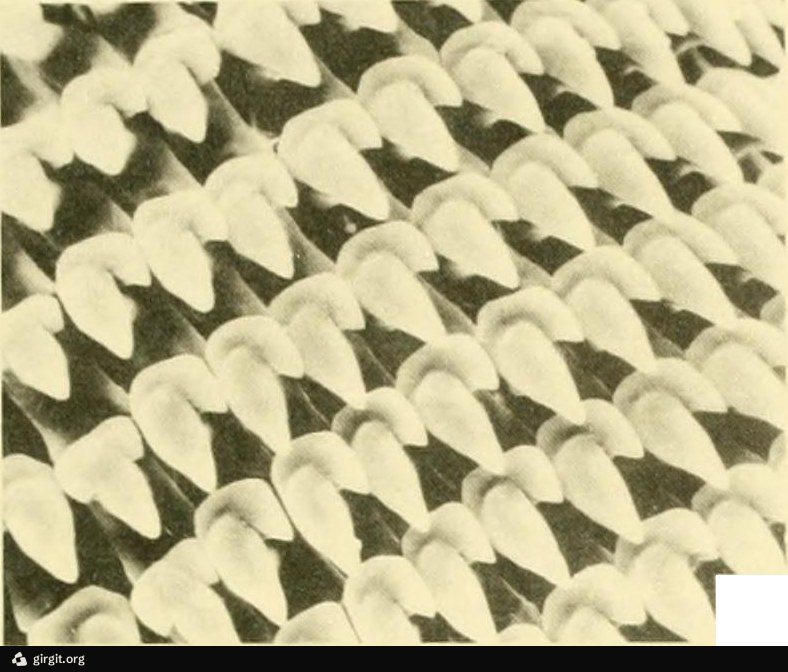
6.6Under an electron microscope
A tongue like a nail file
The radula: a file-like rasping organ in the mouth. A snail on a wet wall at night is scraping off the green film. Molluscs: usually dioecious, oviparous, development indirect.
CheckWhere are the gills?
Find the gills
In a mollusc, the feather-like gills sit in the
- visceral hump
- mantle cavity
- muscular foot
6.7Examples: the genus decides
Not fish, not hares
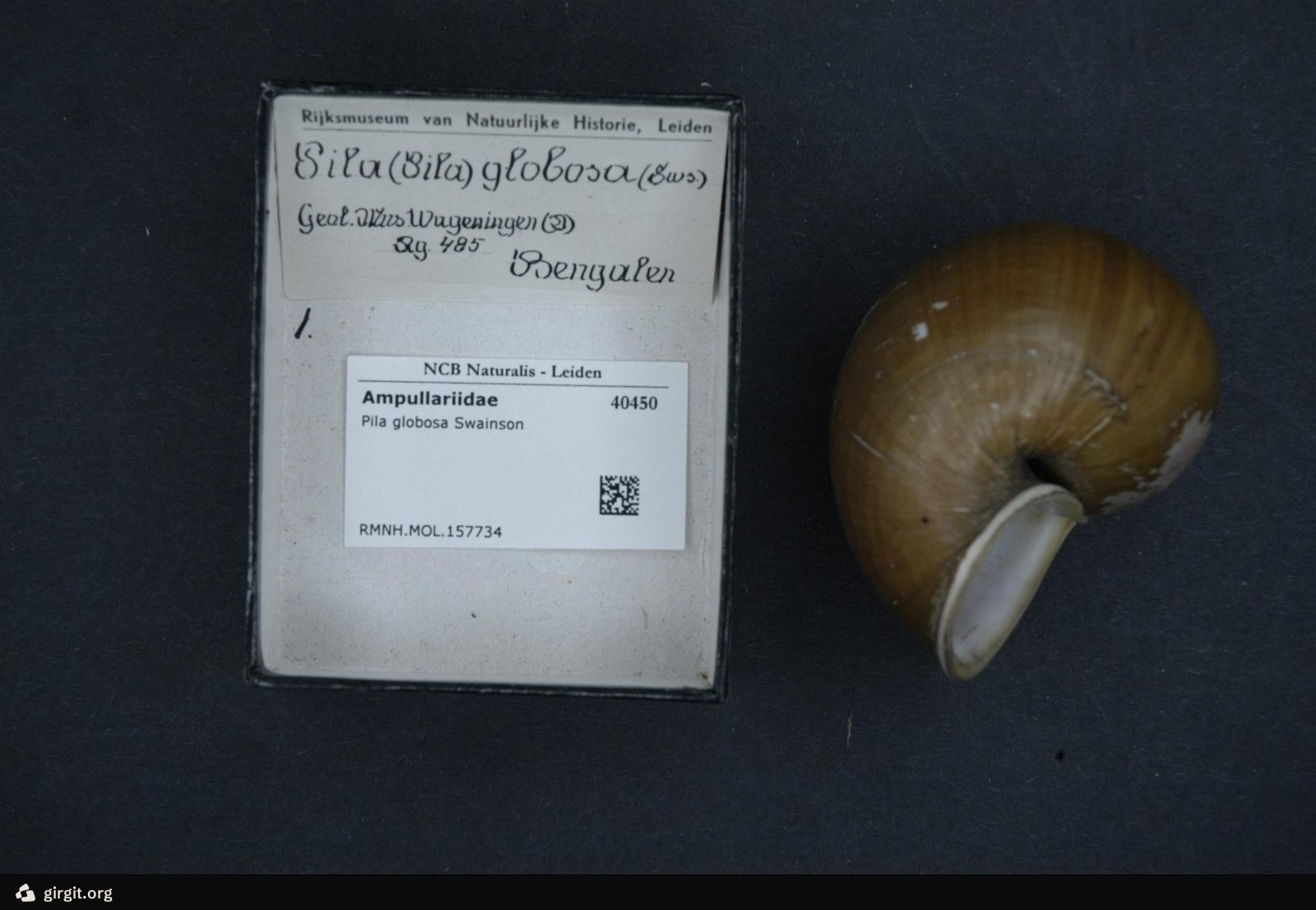
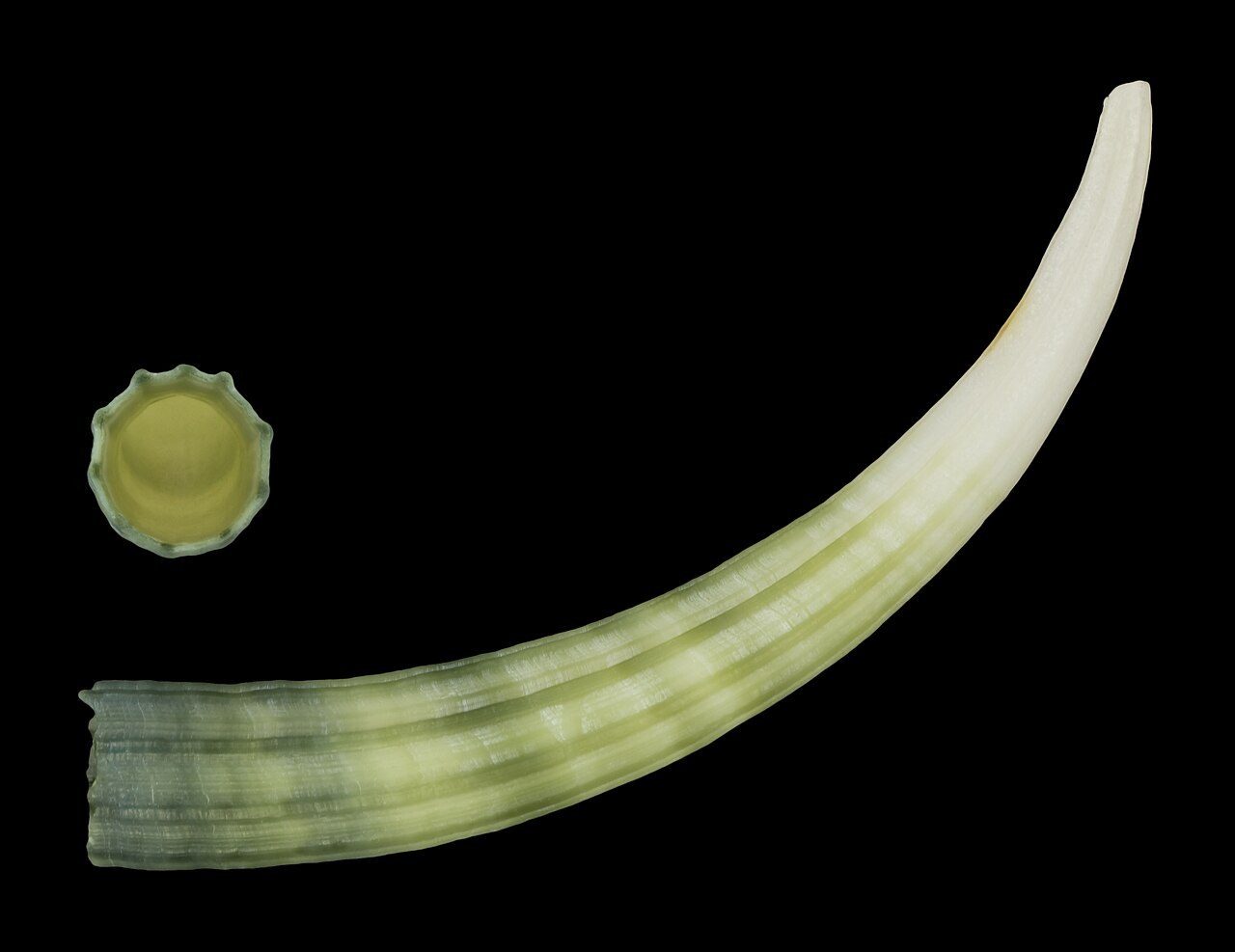
Pila, the apple snail of Indian paddy fields and ponds.
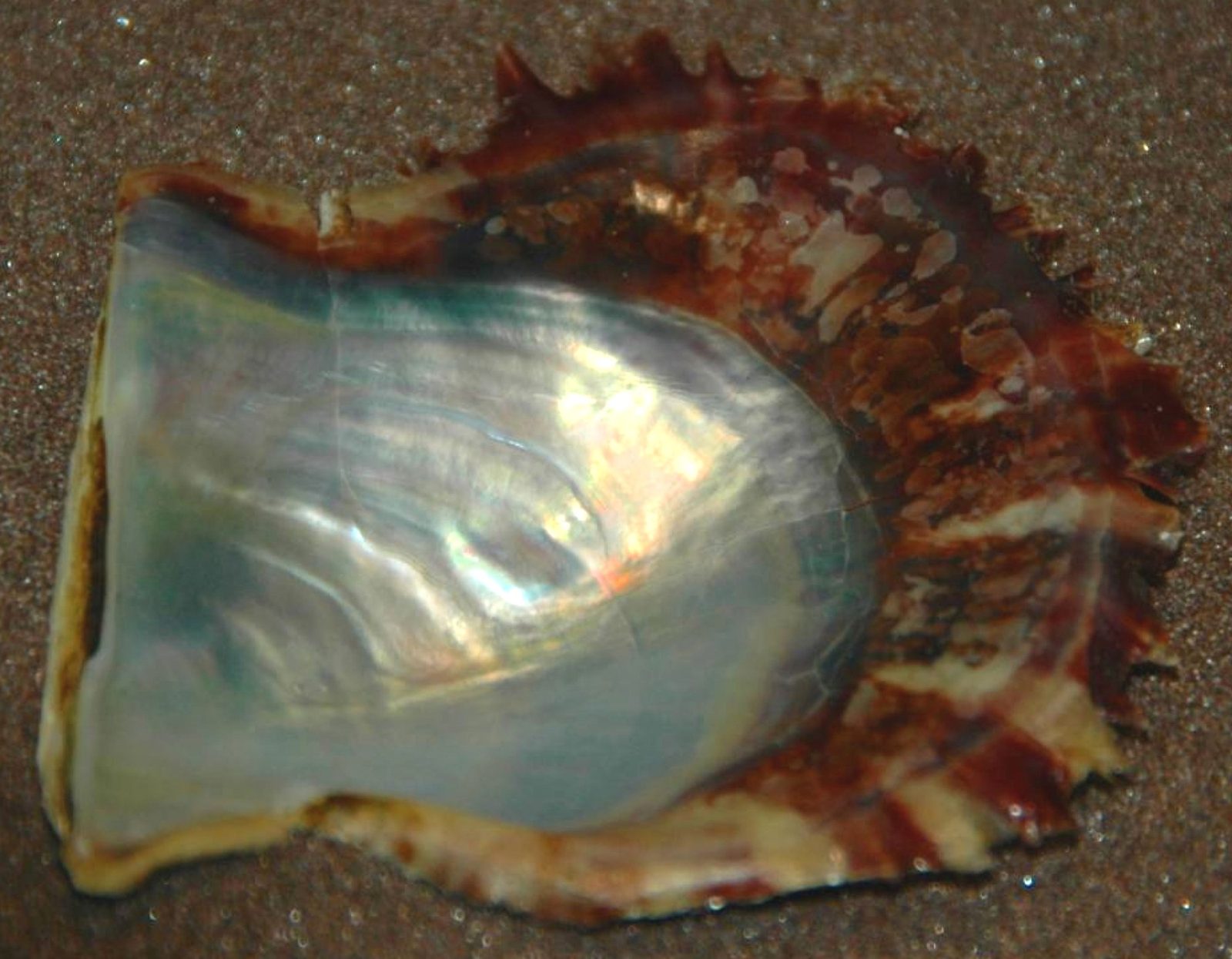
Pinctada, the pearl oyster.
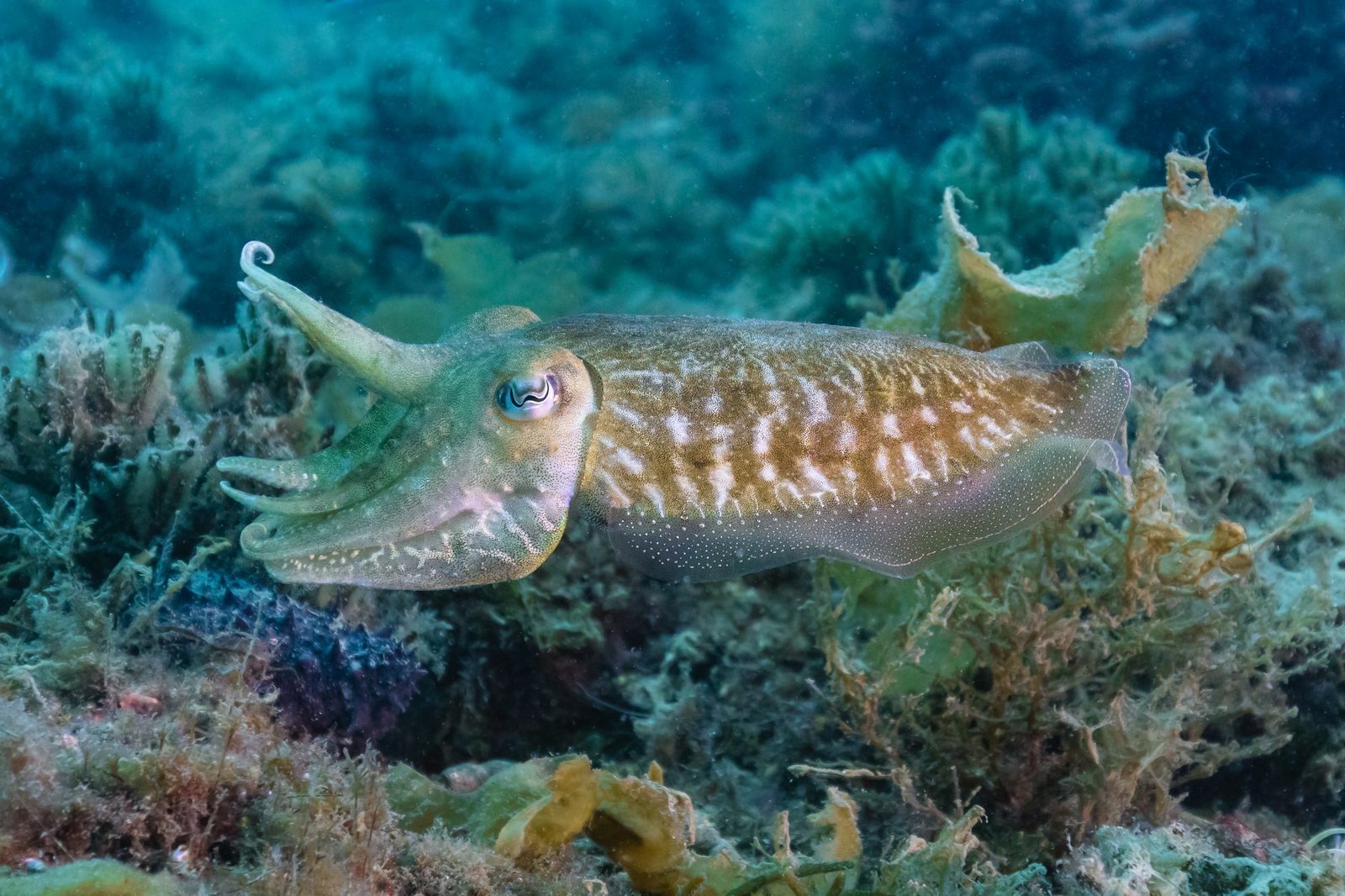
Sepia, the cuttlefish. Loligo, the squid; Octopus, the devil fish.
Dentalium, the tusk shell. Aplysia, the sea hare (not a hare); Chaetopleura, the chiton.
CheckShell, foot, radula
Which animal?
An animal has a calcareous shell, a muscular foot and a radula. Which is it?
- Limulus
- Pila
- Asterias
- Nereis
Try itSort them
Armour or shell?
Drop each genus on its phylum.
6.8Side by side
The two biggest phyla
Arthropoda
Largest
- Segments
- Yes
- Covering
- Chitinous exoskeleton
- Regions
- Head, thorax, abdomen
- Breathing
- Gills, book gills, book lungs, tracheae
- Excretion
- Malpighian tubules
- Circulation
- Open
- Hallmark
- Jointed appendages
Mollusca
Second largest
- Segments
- No
- Covering
- Calcareous shell, mantle
- Regions
- Head, muscular foot, visceral hump
- Breathing
- Feather-like gills in mantle cavity
- Excretion
- Gills share the job
- Circulation
- Present
- Hallmark
- Radula
Full text
Side by side
| Arthropoda | Mollusca | |
|---|---|---|
| Size of phylum | Largest | Second largest |
| Segments | Yes | No |
| Body covering | Chitinous exoskeleton | Calcareous shell, mantle |
| Body regions | Head, thorax, abdomen | Head, muscular foot, visceral hump |
| Breathing | Gills, book gills, book lungs, tracheae | Feather-like gills in mantle cavity |
| Excretion | Malpighian tubules | Gills share the job |
| Circulation | Open | Present |
| Hallmark | Jointed appendages | Radula |
Don't mix these up
- Radula = Mollusca (Pila). Malpighian tubules = Arthropoda (Bombyx). Book lungs = scorpion.
- Limulus (king crab) is the living fossil. Locusta is the gregarious pest. Laccifer gives lac, Bombyx gives silk.
- Pinctada is the pearl oyster; Physalia (a cnidarian) is the Portuguese man-of-war. Both start with P; don't swap them.
6.9Don't mix these up
Two P's, two tongues
Trap
Pinctada is the Portuguese man-of-war
Fact
Pinctada is the pearl oyster; Physalia, a cnidarian, is the man-of-war
Radula: Mollusca (Pila). Malpighian tubules: Arthropoda (Bombyx). Book lungs: the scorpion.
Don't mix these up
- Radula = Mollusca (Pila). Malpighian tubules = Arthropoda (Bombyx). Book lungs = scorpion.
- Limulus (king crab) is the living fossil. Locusta is the gregarious pest. Laccifer gives lac, Bombyx gives silk.
- Pinctada is the pearl oyster; Physalia (a cnidarian) is the Portuguese man-of-war. Both start with P; don't swap them.
KeepJust remember
AM, CF, AD
Genus names are memory work; the words carry hooks. Tap a card.
WordsTo know
Seven words
- Exoskeleton
- A hard skeleton on the outside of the body.
- Malpighian tubules
- The excretory tubes of insects and other arthropods.
- Book lungs
- Breathing organs of scorpions and spiders, folded like book pages.
- Statocyst
- A small balancing organ.
- Mantle
- The soft fold of skin over a mollusc's visceral hump.
- Radula
- A mollusc's file-like rasping tongue.
- Oviparous
- Laying eggs that hatch outside the mother's body.
NEETAsked in the exam
The real thing
RootsAir tubes in beetle legs, small to large
2 → 18%
of the leg's inside taken by tracheae
- Insect blood carries no oxygenAir goes down branching tubes, the tracheae, then diffuses.
- Bigger means longer, fatter tubesThe model's limit for beetles: about 16 cm. The biggest living: about 17 cm.
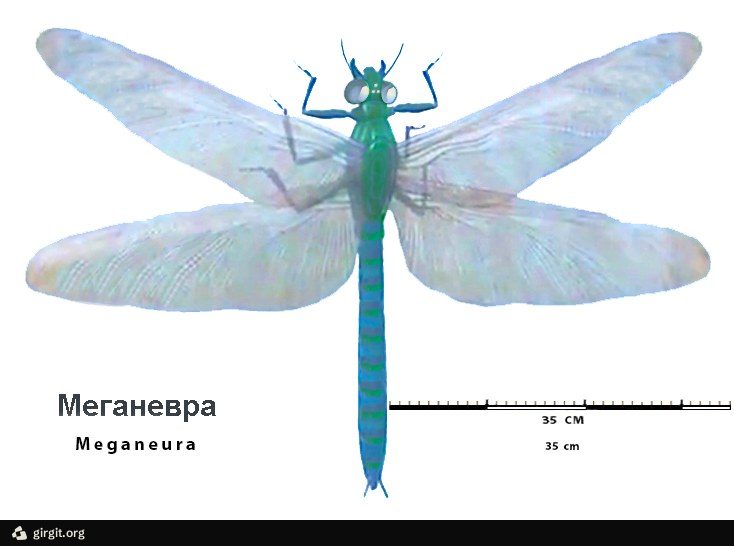
Roots300 million years ago
Giants, and an open question
- Griffinflies like MeganeuropsisAir then about 30 to 35% oxygen, against 21% today.
- 2026: 44 species measuredFine flight-muscle tubes take only about 1%: maybe oxygen never capped size.
- Other limitsHeavy armour; a soft, helpless moult. We are not sure yet.
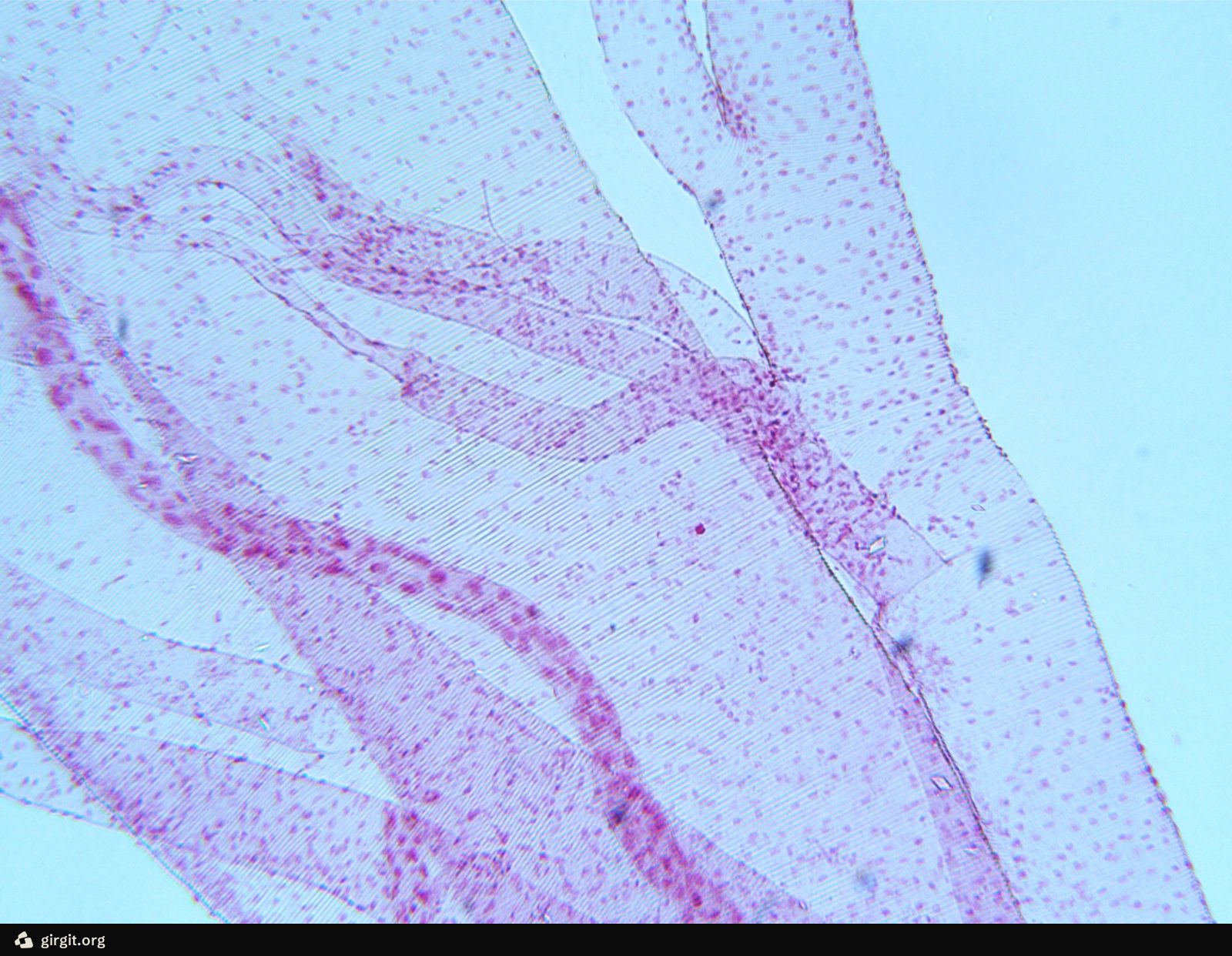
See itAn insect's air tube
A pipe that can't collapse
Ten times longer means 1000 times the volume but only 100 times the tube's cross-section: the square-cube problem.
RootsAn octopus opens a jar
500 million neurons, two-thirds in the arms.
Each arm feels and grips on its own. A veined octopus in Indonesia carried coconut-shell halves and built a shelter.
RootsThe squid's giant axon
1mm
thick: about fifty times a typical mammalian axon
Wide enough for Alan Hodgkin and Andrew Huxley to push a wire inside and record a nerve impulse: a share of the 1963 Nobel Prize.
See itSwarm arithmetic
Follow a swarm
An adult locust eats its own weight, 2 g, a day.
Story2019 and 2020, Rajasthan and Gujarat
35,000people
eat as much as a 1 km² swarm of 40 million (FAO)
- The worst attack in 26 yearsCrowded grasshoppers turn gregarious and swarm.
- At least 2 lakh hectares damagedMore than 4 lakh sprayed, May 2019 to February 2020.
StoryBlue blood, and pearls
Old animals, new uses
- 1953Woods Hole, USA: Frederik BangLimulus blood, blue with copper-based haemocyanin, clots near some bacteria.
- 1964With Jack Levin: endotoxinThe LAL test, from the 1970s and 1980s, checks injections and vaccines. Fossils: 445 million years.
- 1663Gulf of Mannar pearl fisheriesPinctada fucata off Tuticorin (Thoothukudi): 38 fisheries to 1961, none since.
- 1973India's first cultured pearlIn July, at the Central Marine Fisheries Research Institute's laboratory near Tuticorin; beads from 1972. Nacre, layer on layer.
Solve itTwo problems and a check
Your turn
Solve it
Make an insect 10 times longer in every direction. By how many times do (a) its volume, and so its need for oxygen, and (b) the cross-section of a trachea of the same shape, increase? What must happen to the air tubes?
Answer
Solve it
Use the widget: a 1 km² swarm eats 80 tonnes of food a day. If a swarm 10 km² across travels 130 km a day for 5 days, how much does it eat, and why does that make locusts so hard to fight?
Answer
Why is a horseshoe crab's blood blue?
- Its oxygen carrier contains copper
- It has very little haemoglobin
- Endotoxin turns it blue
ConnectAnd still confused?
Where this goes next
Connect it
- The cockroach, Ch 7. Tracheae, Malpighian tubules and open circulation in detail: the cockroach.
- Malaria and dengue, Class 12. What Anopheles and Aedes carry: malaria.
- Diffusion, concept 1. The same square law that limits flatworms limits air tubes: sorting animals.
- Nerve impulses, Ch 18. What Hodgkin and Huxley recorded in the squid axon: the nerve impulse.
- Silk and lac in India. Mysore and Kanchipuram silk comes from Bombyx; the lac bangles of Hyderabad's Laad Bazaar from Laccifer (photos above).
If insect blood doesn't carry oxygen, what is it for?
In most insects the blood (haemolymph) carries food, hormones and wastes, and helps fight infection; the tracheae bring the oxygen. A few insects, like the red bloodworm larvae of midges, do have haemoglobin in their blood.
Is a spider an insect?
No. Both are arthropods, but insects have three body parts and six legs, while spiders have two body parts and eight legs and breathe with book lungs. The scorpion, with book lungs too, is a spider's cousin.
Sources
- Kaiser et al. (2007), Increase in tracheal investment with beetle size, PNAS
- Ars Technica (2026): the oxygen explanation for giant insects questioned (Snelling et al., Nature)
- FAO Locust Watch: frequently asked questions
- Down To Earth: crops lost to locusts since 2019 and Business Standard: 4 lakh hectares treated
- American Association of Immunologists: Blue bloods, Bang, Levin and the horseshoe crabs
- ScienceDaily (2008): oldest horseshoe crab fossil
- OIST: octopus arms and neurons
- The Physiological Society: the squid giant axon
- CMFRI: pearl culture in India
- Dyar's rule