Act 10NCERT §4.2.11.4–4.2.11.5 · pp. 48–495 min
Amphibians and reptiles
The fish crawls out as a four-legged animal: limbs with elbows and knees, a backbone running into the tail, lungs and a heart.
Out of the water: first halfway, then for good.
From the textbookpp. 48–49
NCERT Biology, Class 11 · Reprint 2026-27
10.0The big idea
Half in the water, or never.
Amphibians live a double life in water and on land, with moist, scaleless skin. Reptiles left the water for good, sealed in dry, scaly skin.
Full text
The big ideaAmphibians live a double life in water and on land with moist, scaleless skin; reptiles left the water for good, sealed in dry, scaly skin.
In simple words
A frog starts life as a tadpole swimming in a pond, then grows legs and hops onto land. Its skin is thin and wet, and it can even breathe through it. A lizard or a snake never needs a pond. Its skin is dry and covered in hard scales that keep water in, so it can live in a hot, dry place, and its eggs hatch on land.
10.1Class Amphibia · amphi dual, bios life
A double life
- Water and landMost have two pairs of limbs.
- Head and trunkA tail in some.
- Moist skin, no scalesEyelids; a tympanum for the ear.
Full text
Class Amphibia
From Greek amphi, dual, and bios, life: amphibians can live both in water and on land.
- Most have two pairs of limbs.
- Body divided into head and trunk; a tail in some.
- Skin is moist, with no scales.
- The eyes have eyelids. A tympanum (eardrum on the surface of the head) represents the ear.
- The alimentary canal, urinary and reproductive tracts all open into one common chamber, the cloaca, which opens to the outside.
- Breathing by gills, lungs and through the skin.
- Heart three-chambered: two auricles, one ventricle.
- Cold-blooded.
- Sexes separate. Fertilisation external. Oviparous; development indirect (through a tadpole).
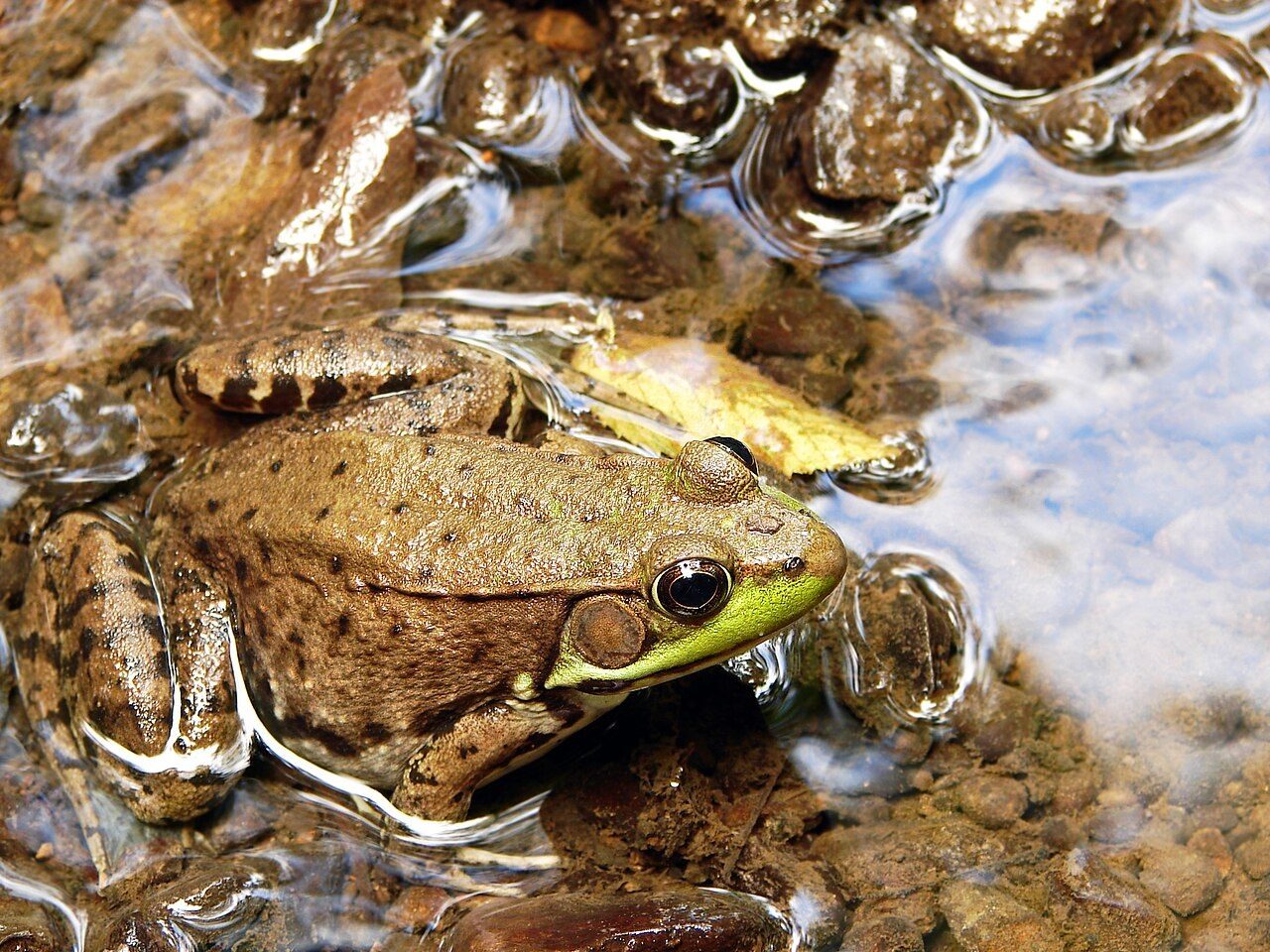
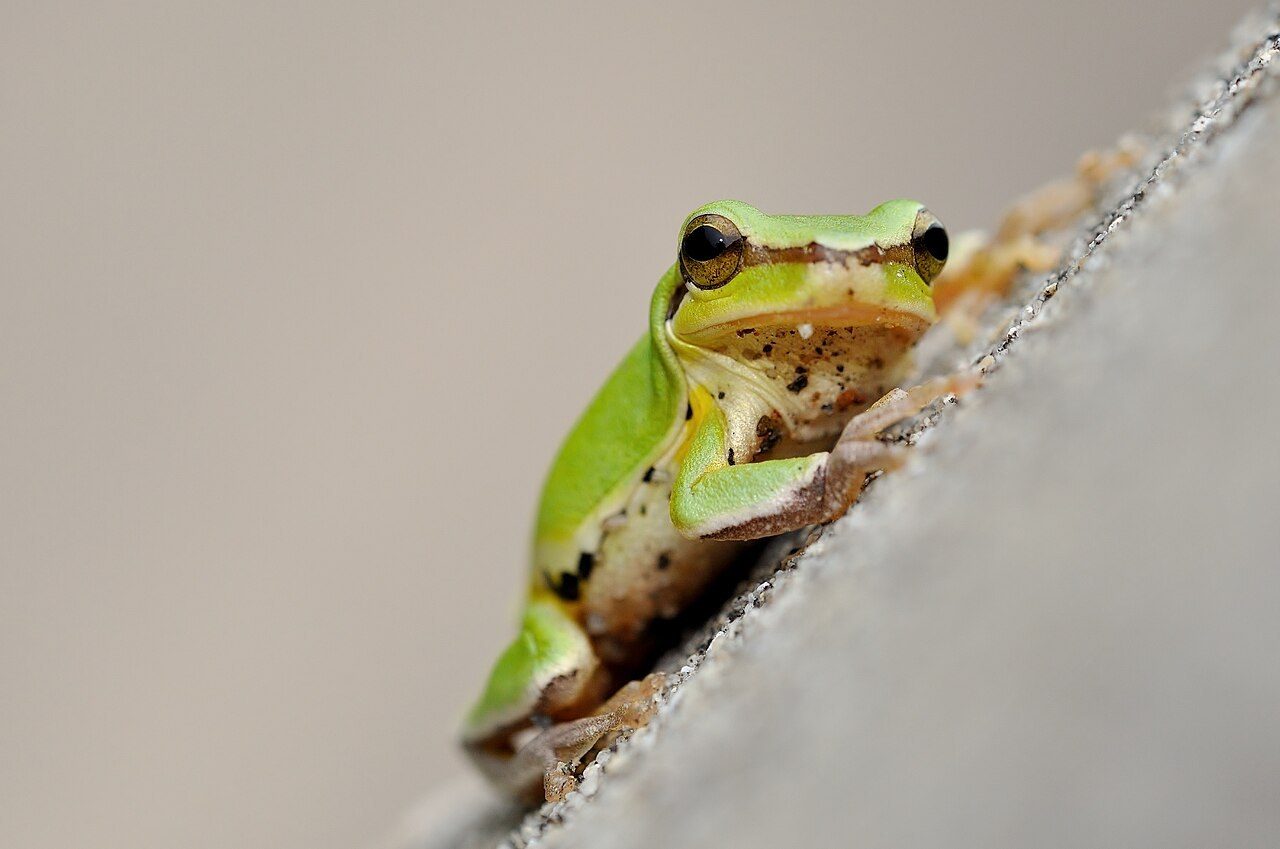
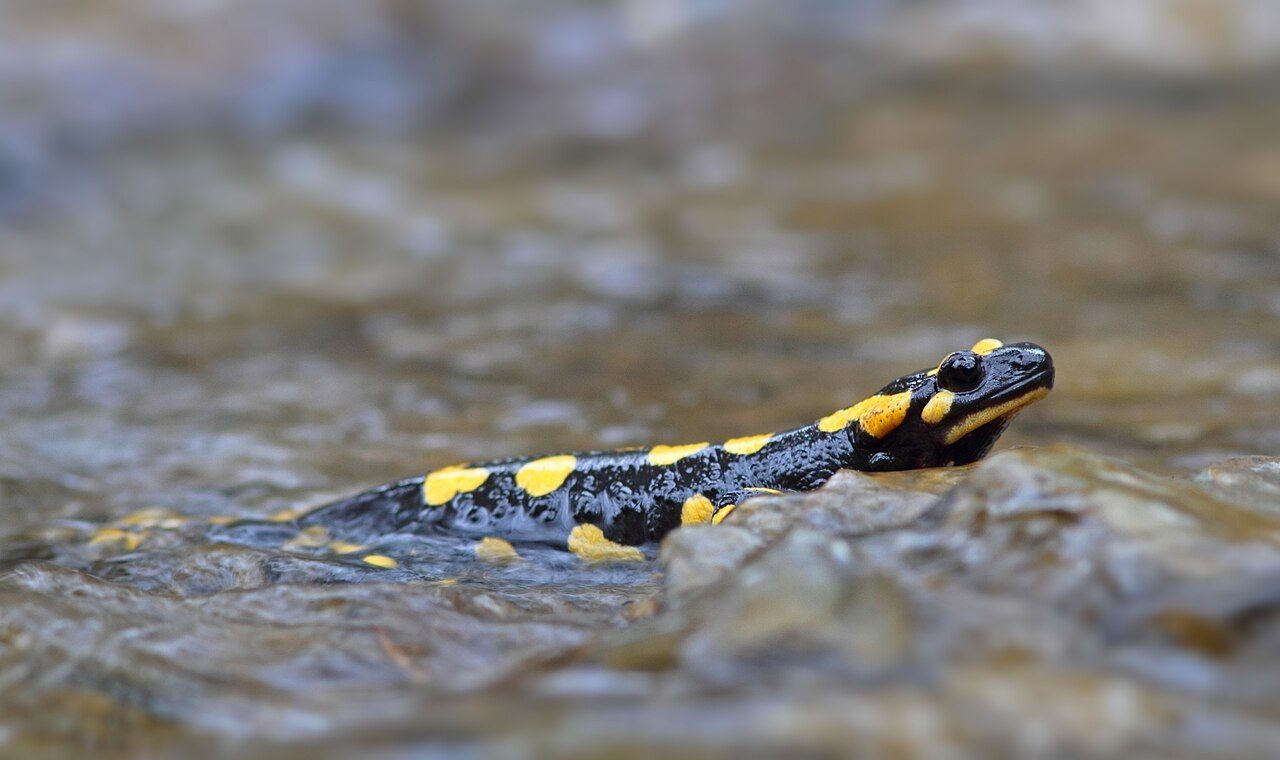
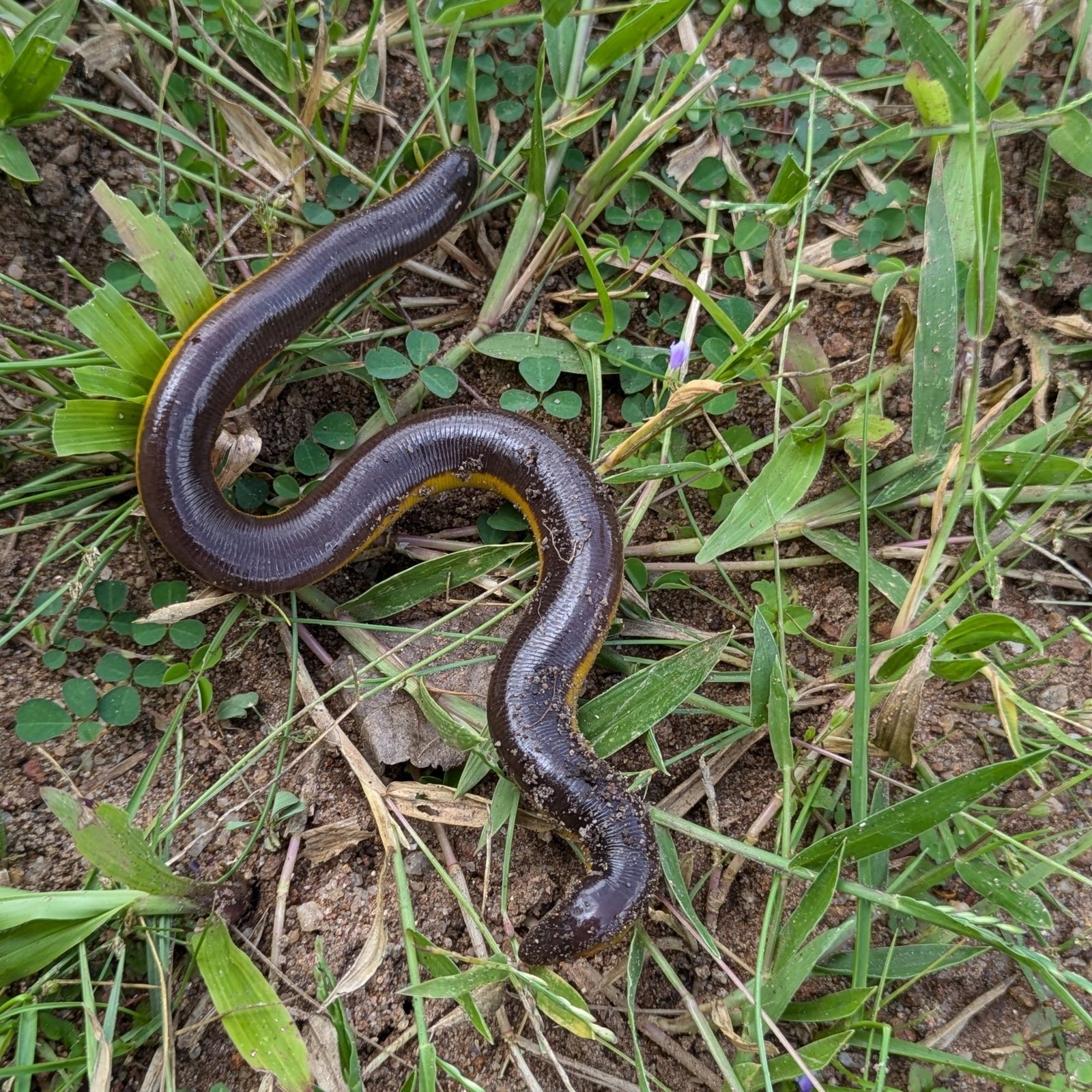
Examples: Bufo (toad), Rana (frog), Hyla (tree frog), Salamandra (salamander), Ichthyophis (a limbless amphibian, found in the Western Ghats, easily mistaken for a worm or snake).
10.2The water half
Life starts as a tadpole
Eggs and sperm meet outside, in water.
Eggs hatch into tadpoles that breathe with gills.
A tadpole first, then legs, then a frog on land.
10.3Ways an amphibian breathes
3
gills, lungs, and through the skin
- Heart three-chamberedTwo auricles, one ventricle.
- Cold-bloodedBody temperature follows the surroundings.
- One shared exit: the cloacaGut, urinary and reproductive tracts all open into it: a station with one exit gate.
CheckBuried in mud
How does it still breathe?
A frog can still take in oxygen while buried in mud with its lungs not working. How?
- Through its moist skin
- Through its cloaca
- Through its tympanum
10.4Examples, besides Rana
Toad, tree frog, newt, no legs
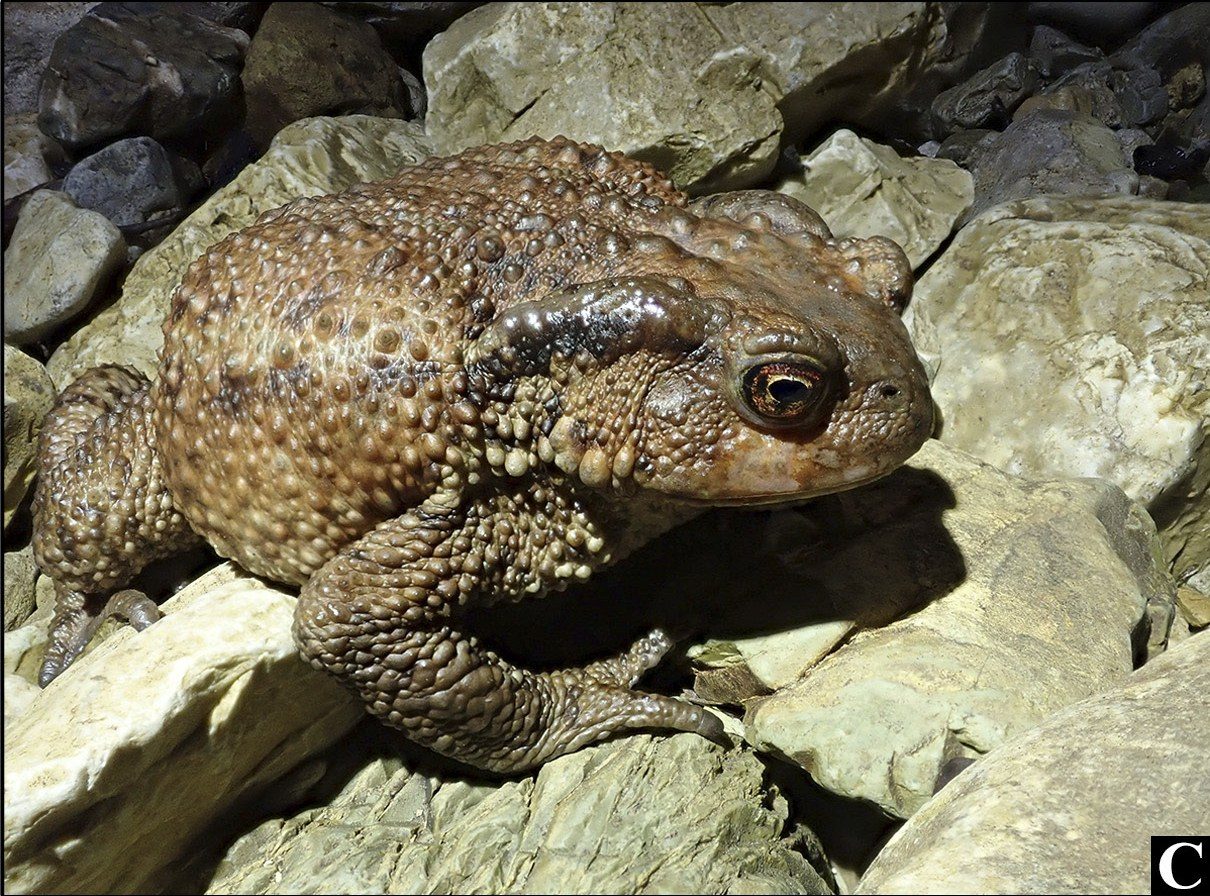
The toad.
The tree frog.
The salamander: an amphibian with a tail.
A limbless amphibian, easily mistaken for a worm or a snake.
10.5Class Reptilia · repere, to creep
Sealed for land
Dry, cornified skin, hardened with keratin, with epidermal scales or scutes.
It keeps water in: a lizard can bask on a hot wall in May.
Heart: three chambers in most; four in crocodiles.
Snakes have none.
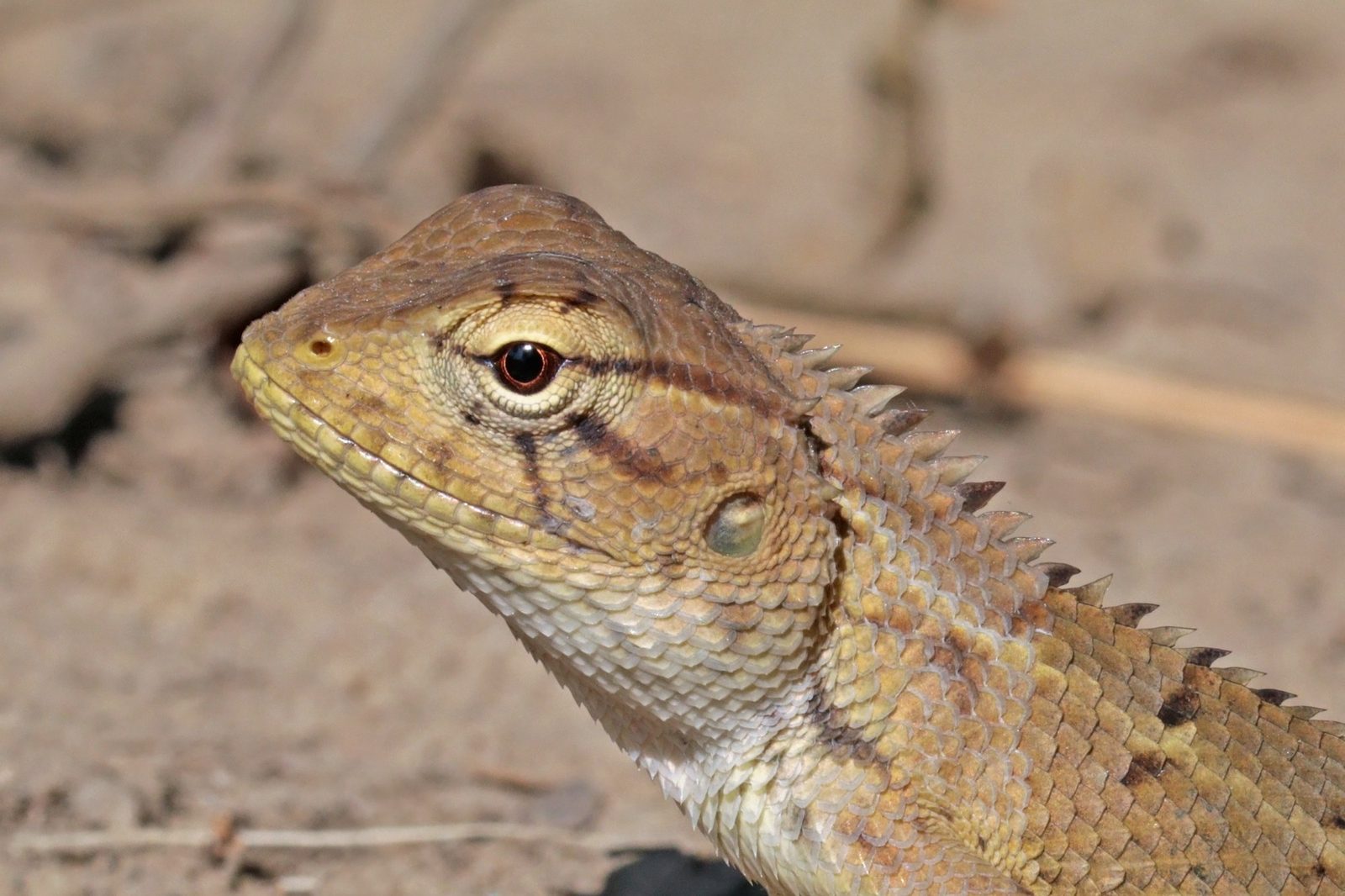
10.6Textbook check · Calotes
The ear the book misses
- Textbook: no external ear openingsA tympanum represents the ear.
- Now we knowTrue of snakes and turtles; most lizards and crocodiles show an opening.
- In the examWrite the textbook's line.
Full text
Class Reptilia
From Latin repere or reptum, to creep or crawl: the name refers to the way they move.
- Mostly terrestrial (land-living).
- Body covered by dry, cornified skin (hardened with keratin), with epidermal scales or scutes.
- No external ear openings; a tympanum represents the ear.
- Limbs, when present, are two pairs. Snakes have none.
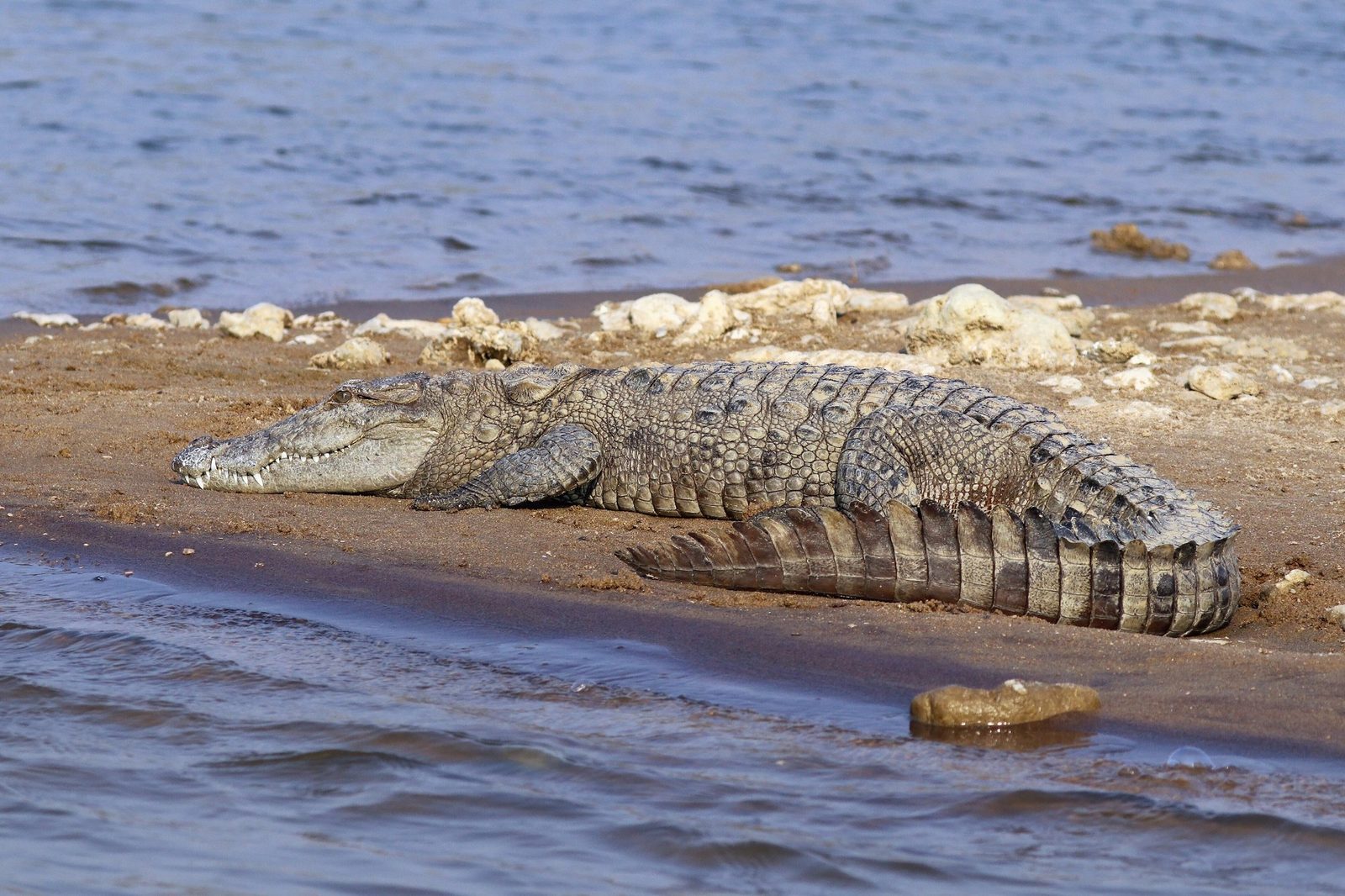
- Heart: three chambers in most reptiles; crocodiles are the exception with four.
- Poikilotherms (cold-blooded).
- Snakes and lizards shed their scales as a skin cast.
- Sexes separate. Fertilisation internal. Oviparous; development direct (the young hatch looking like small adults).
Look closely at a garden lizard's head and you will find a small round opening behind the eye, with the eardrum just inside it. The textbook says reptiles have no external ear opening; that is true of snakes and turtles but not of most lizards (see the note below the picture). For the exam, write the textbook's line.
Examples:
| Genus | Common name |
|---|---|
| Chelone | Turtle (marine) |
| Testudo | Tortoise (land) |
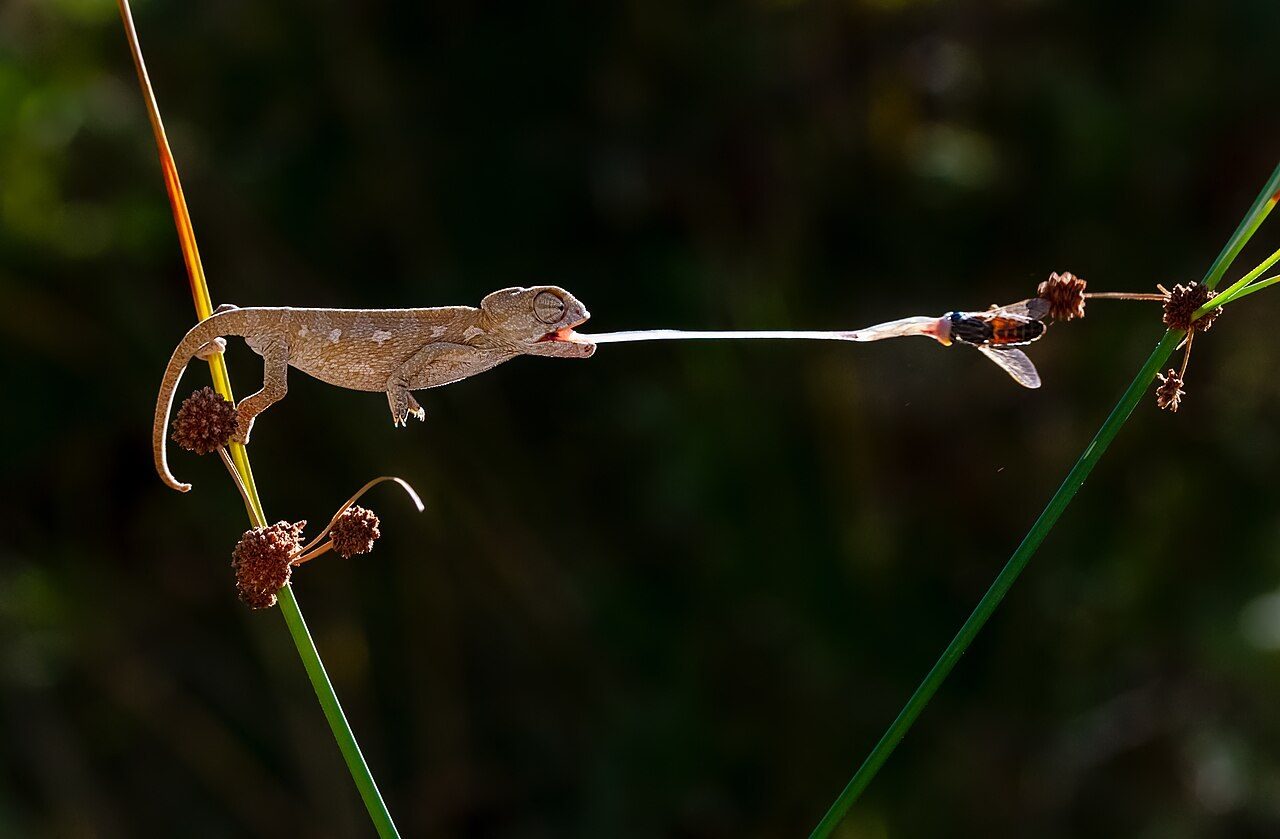
| Chameleon | Tree lizard |
| Calotes | Garden lizard (the one that nods its red head on your wall) |
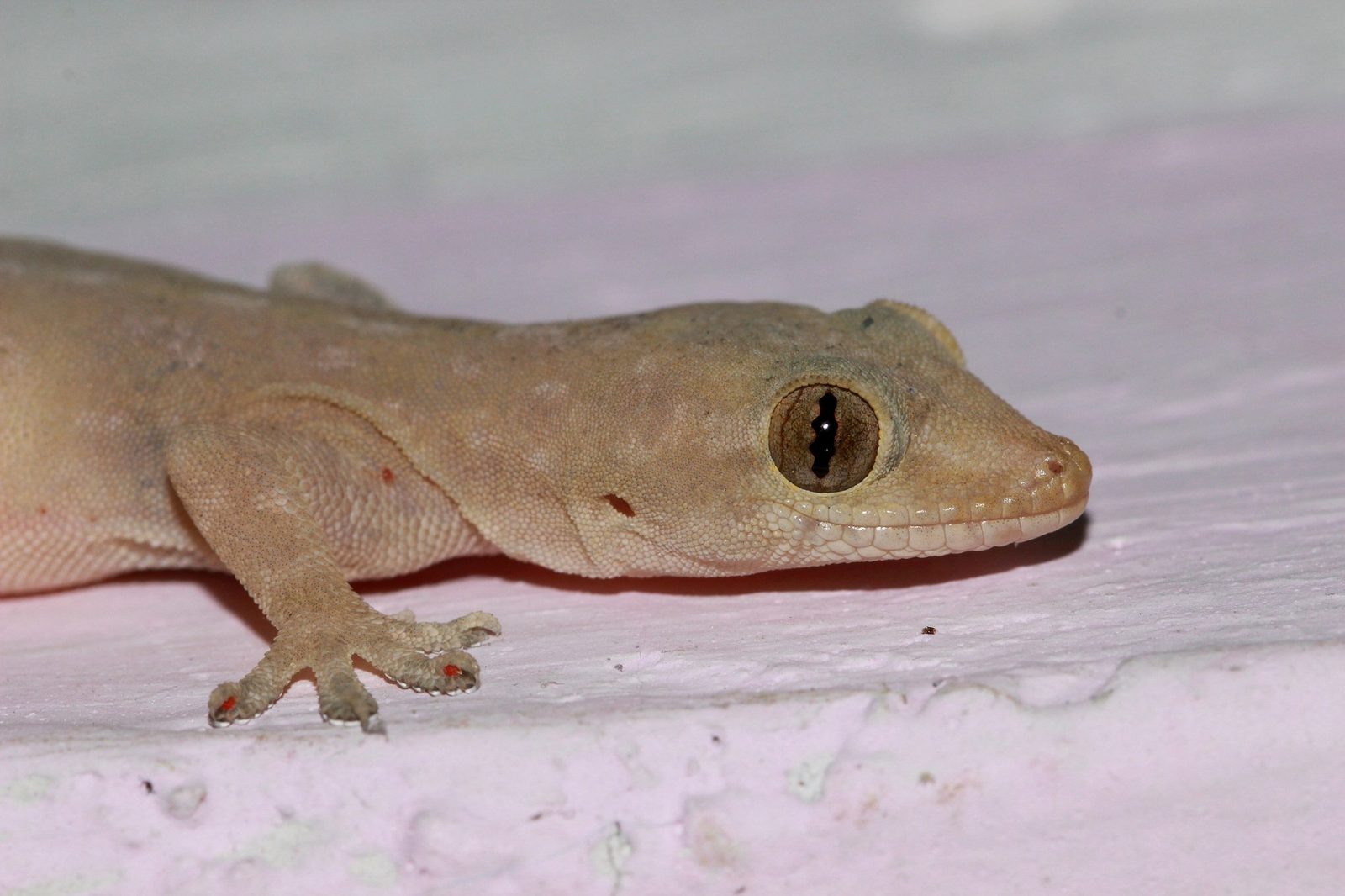
| Hemidactylus | Wall lizard (the house gecko near your tube light) |
| Crocodilus | Crocodile |
| Alligator | Alligator |
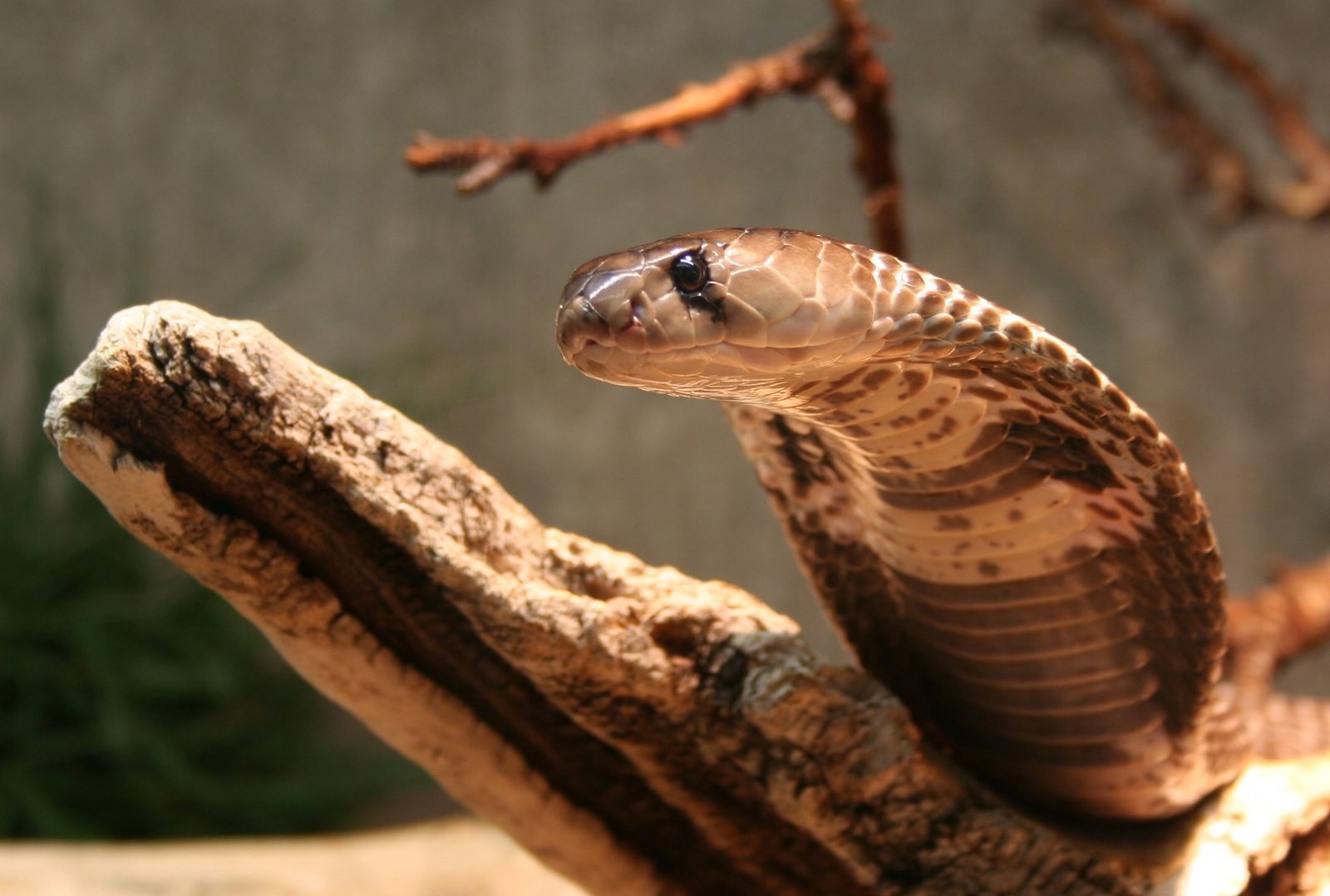
| Naja | Cobra (poisonous) |
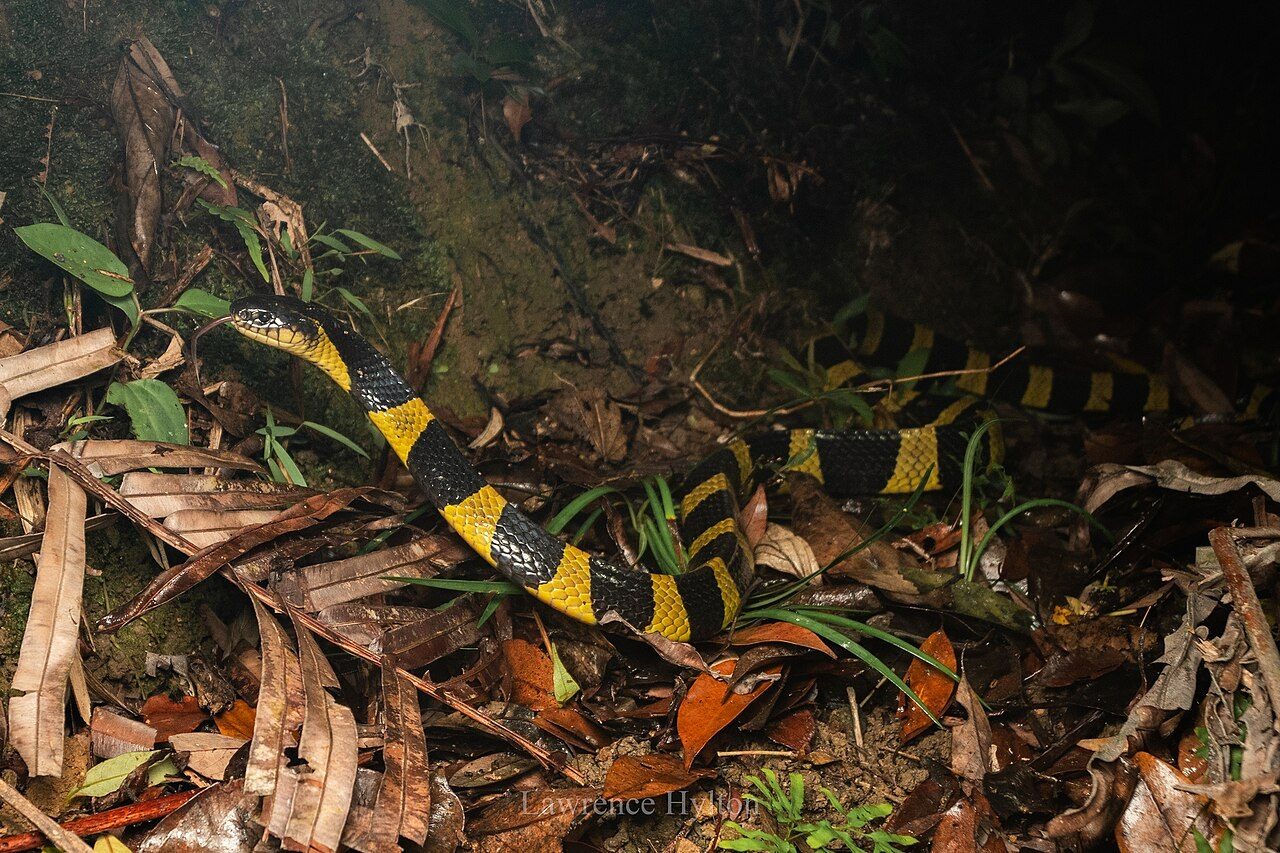
| Bungarus | Krait (poisonous) |
| Vipera | Viper (poisonous) |
Try itThree hearts
Follow the oxygen round
A fish, a frog and a crocodile: which loops mix?
CheckThe exception
Four chambers?
Which reptile has a four-chambered heart?
- Naja
- Crocodilus
- Calotes
- Chelone
10.7Reptiles you will meet
Shells, scutes and hoods
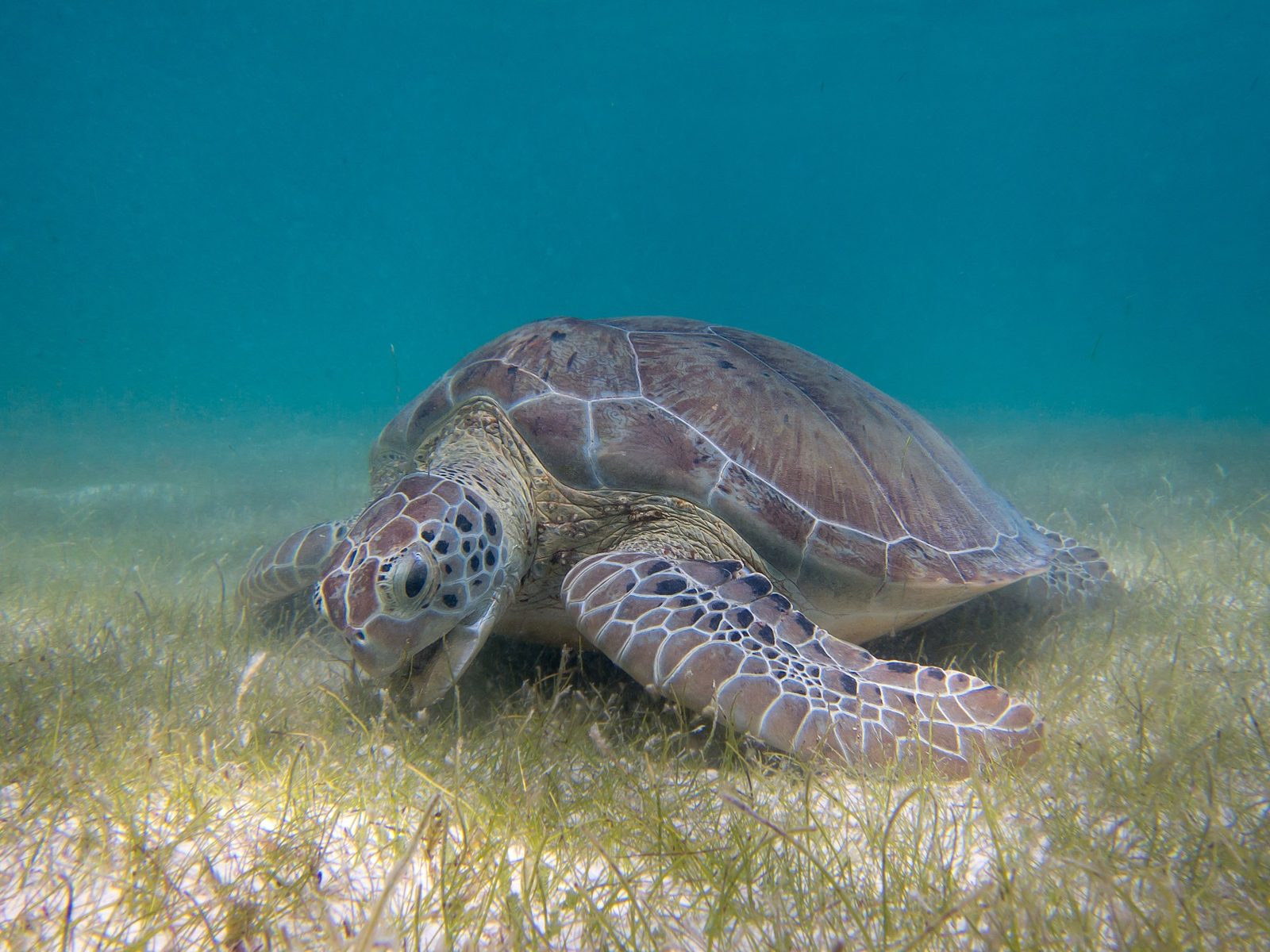
A marine turtle.
The tree lizard.
The wall lizard by your tube light.
The crocodile: the four-chambered heart.
The cobra.
The krait.
10.8Ten genera to know
Name, then the animal
Textbook check: NCERT prints the krait as "Bangarus"; the right spelling is Bungarus. NEET has copied NCERT's.
- Chelone
- Turtle (marine)
- Testudo
- Tortoise (land)
- Chameleon
- Tree lizard
- Calotes
- Garden lizard, nods its red head
- Hemidactylus
- Wall lizard
- Crocodilus
- Crocodile
- Alligator
- Alligator
- Naja
- Cobra · poisonous
- Bungarus
- Krait · poisonous
- Vipera
- Viper · poisonous
CheckGenus and name
Which pair is right?
Which pair is correct?
- Hemidactylus: garden lizard
- Testudo: turtle
- Hyla: tree frog
- Ichthyophis: snake
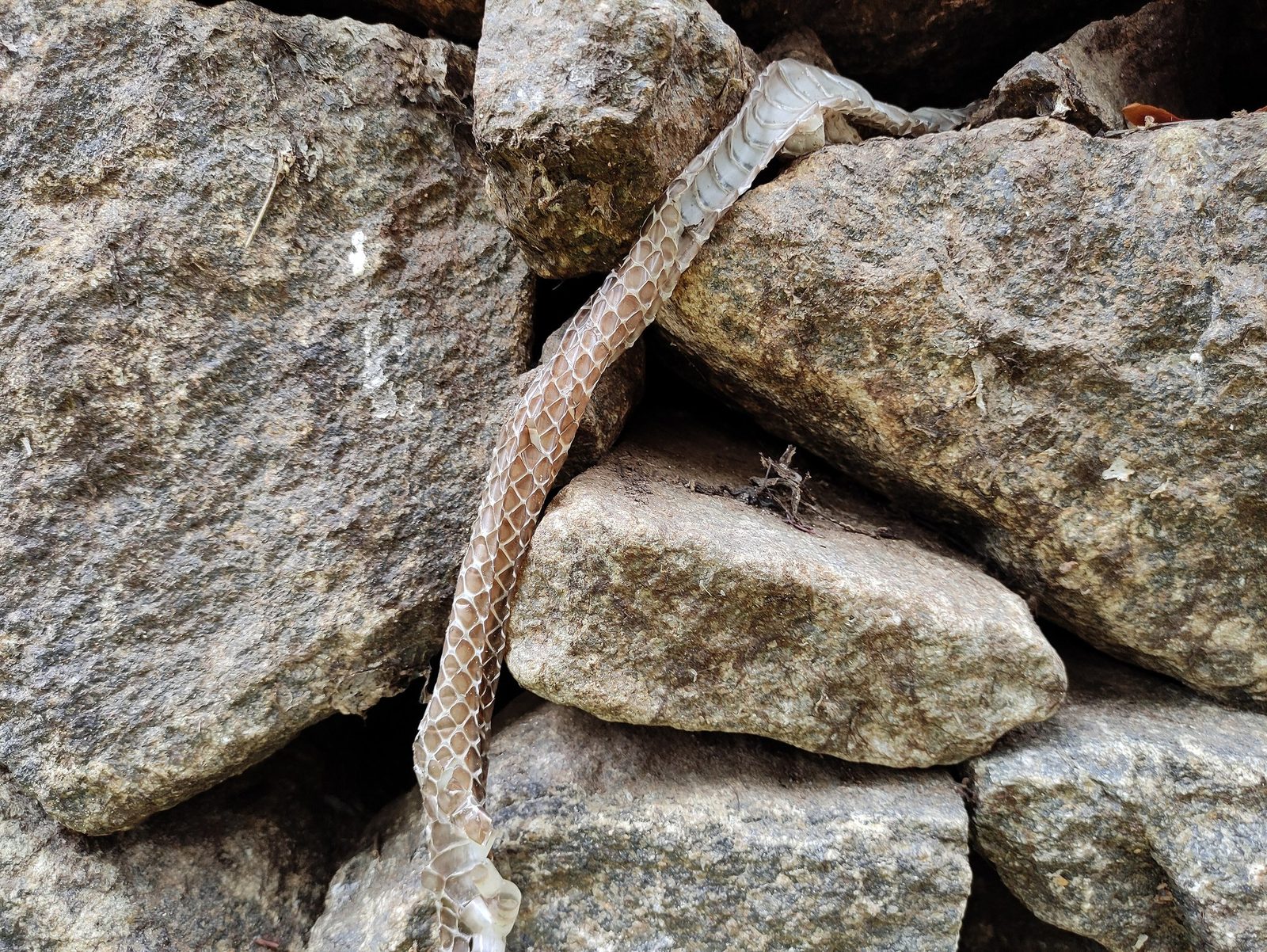
10.9Snakes and lizards shed their scales
Eggs on land
- Sexes separateFertilisation internal.
- OviparousEggs laid on land.
- Development directThe young hatch looking like small adults.
Try itSort them
Amphibian or reptile?
Drop each animal or feature in its class.
10.10Side by side
Wet and dry
Amphibia · Rana, Bufo, Hyla, Ichthyophis
Water and land
- Skin
- Moist, no scales
- Breathing
- Gills, lungs, skin
- Heart
- 3 chambers
- Ear
- Tympanum
- Fertilisation
- External
- Development
- Indirect (tadpole)
Reptilia · Chelone, Calotes, Hemidactylus, Naja
Mostly land
- Skin
- Dry, cornified, scales or scutes
- Breathing
- Lungs
- Heart
- Usually 3; crocodile 4
- Ear
- Tympanum, no external opening
- Fertilisation
- Internal
- Development
- Direct
Full text
Side by side
| Amphibia | Reptilia | |
|---|---|---|
| Habitat | Water and land | Mostly land |
| Skin | Moist, no scales | Dry, cornified, with scales or scutes |
| Breathing | Gills, lungs, skin | Lungs |
| Heart | 3 chambers | Usually 3; crocodile 4 |
| Ear | Tympanum | Tympanum, no external opening |
| Fertilisation | External | Internal |
| Development | Indirect (tadpole) | Direct |
| Remember | Rana, Bufo, Hyla, Ichthyophis | Chelone, Calotes, Hemidactylus, Naja |
Don't mix these up
- "All reptiles have a three-chambered heart" is false: crocodiles have four chambers.
- Chelone is a turtle and Testudo a tortoise. Both are cold-blooded; neither is a homeotherm.
- Ichthyophis looks like a snake but is an amphibian (moist skin, no scales on the surface).
- Amphibians: external fertilisation, indirect development. Reptiles: internal fertilisation, direct development.
10.11Don't mix these up
Three traps
Trap
All reptiles have a three-chambered heart
Fact
Crocodiles have four
Chelone (turtle) and Testudo (tortoise) are both cold-blooded. Ichthyophis looks like a snake but is an amphibian.
Don't mix these up
- "All reptiles have a three-chambered heart" is false: crocodiles have four chambers.
- Chelone is a turtle and Testudo a tortoise. Both are cold-blooded; neither is a homeotherm.
- Ichthyophis looks like a snake but is an amphibian (moist skin, no scales on the surface).
- Amphibians: external fertilisation, indirect development. Reptiles: internal fertilisation, direct development.
KeepJust remember
Genera and counts
Tap a card for its hook.
WordsTo know
Six words
- Tympanum
- An eardrum on the surface of the head.
- Cloaca
- One shared chamber where gut, urinary and reproductive tracts open.
- Cornified
- Hardened with keratin, like your nails.
- Scutes
- Large, thick horny plates, as on a crocodile or turtle.
- Skin cast
- The old skin a snake or lizard sheds in one piece.
- Poikilotherm
- An animal whose body temperature changes with its surroundings.
NEETAsked in the exam
The real thing
RootsTwo things dry out on land
Two inventions freed reptiles
- A frog's eggs and gillsNo shell; tadpoles need water.
- Its skin breathes, so it leaksSmall frogs dry fastest.
- Dry keratin skinWater stays in; breathing moves to the lungs.
- A shelled eggA private pond; so fertilisation is inside.
- Legs from bony finsLobe-finned fishes, in shallow water.
See itSkin and size
Who dries out first?
Change the frog's size and skin; watch the water go.
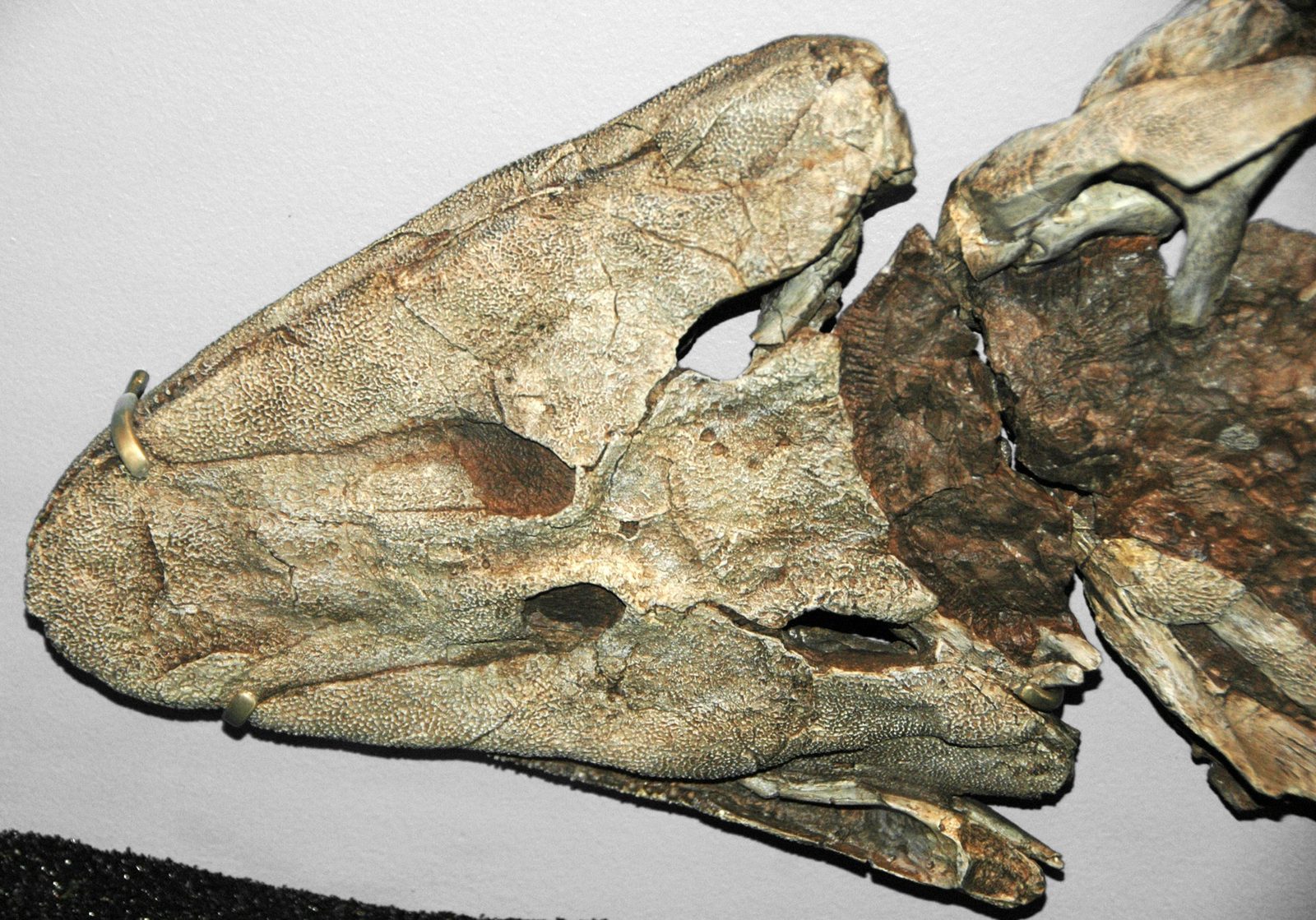 flat head
StoryEllesmere Island, Canada · the Canadian Arctic
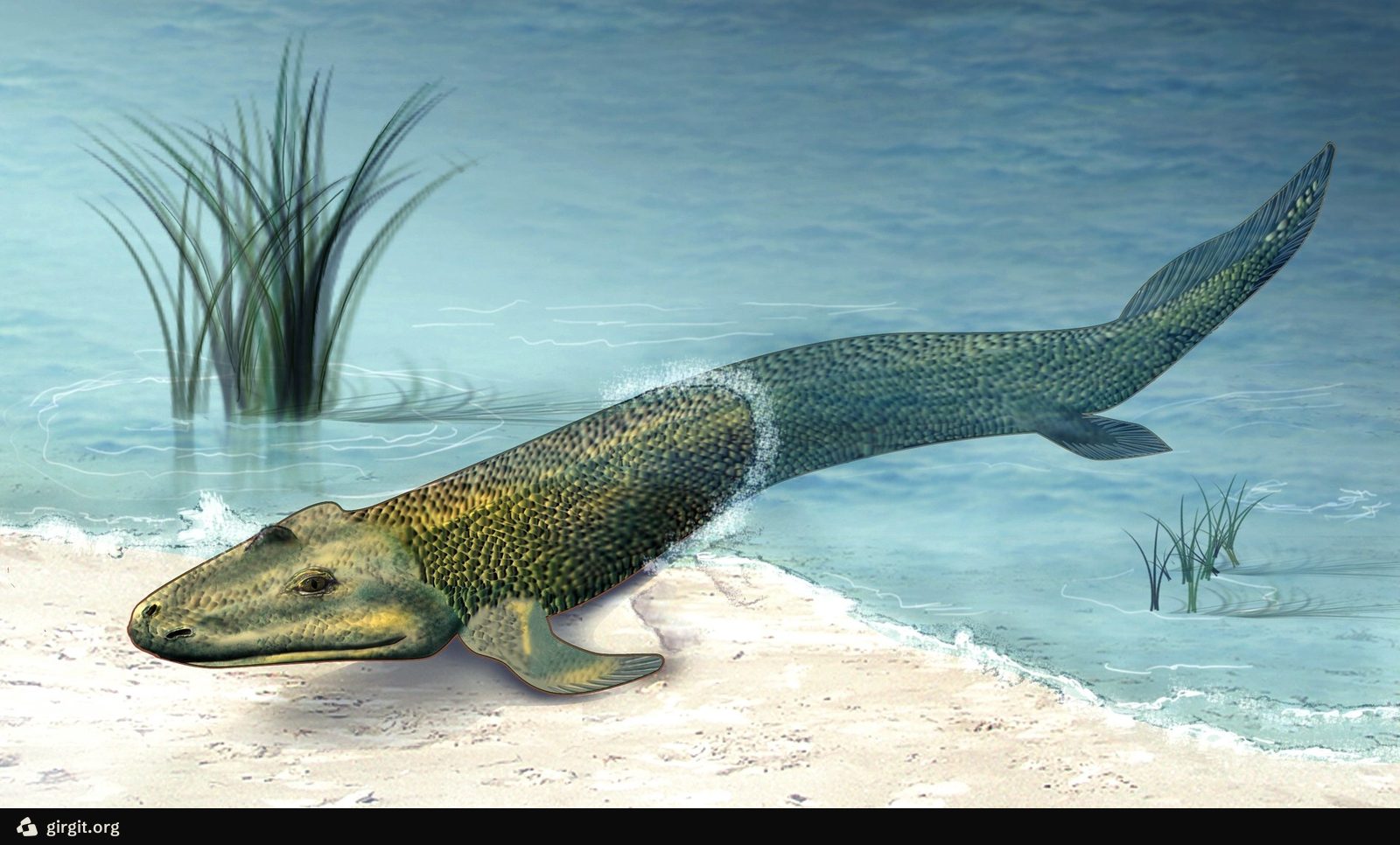
A fish with a neck
- A predicted fossilTed Daeschler, Neil Shubin, Farish Jenkins: rocks about 375 million years old.
- 2004: found · April 2006: NatureTiktaalik, Inuktitut for a large freshwater fish.
- Fins with arm bonesUpper arm, forearm, wrist; a flat head and a neck.
Story2003, the Western Ghats, Kerala
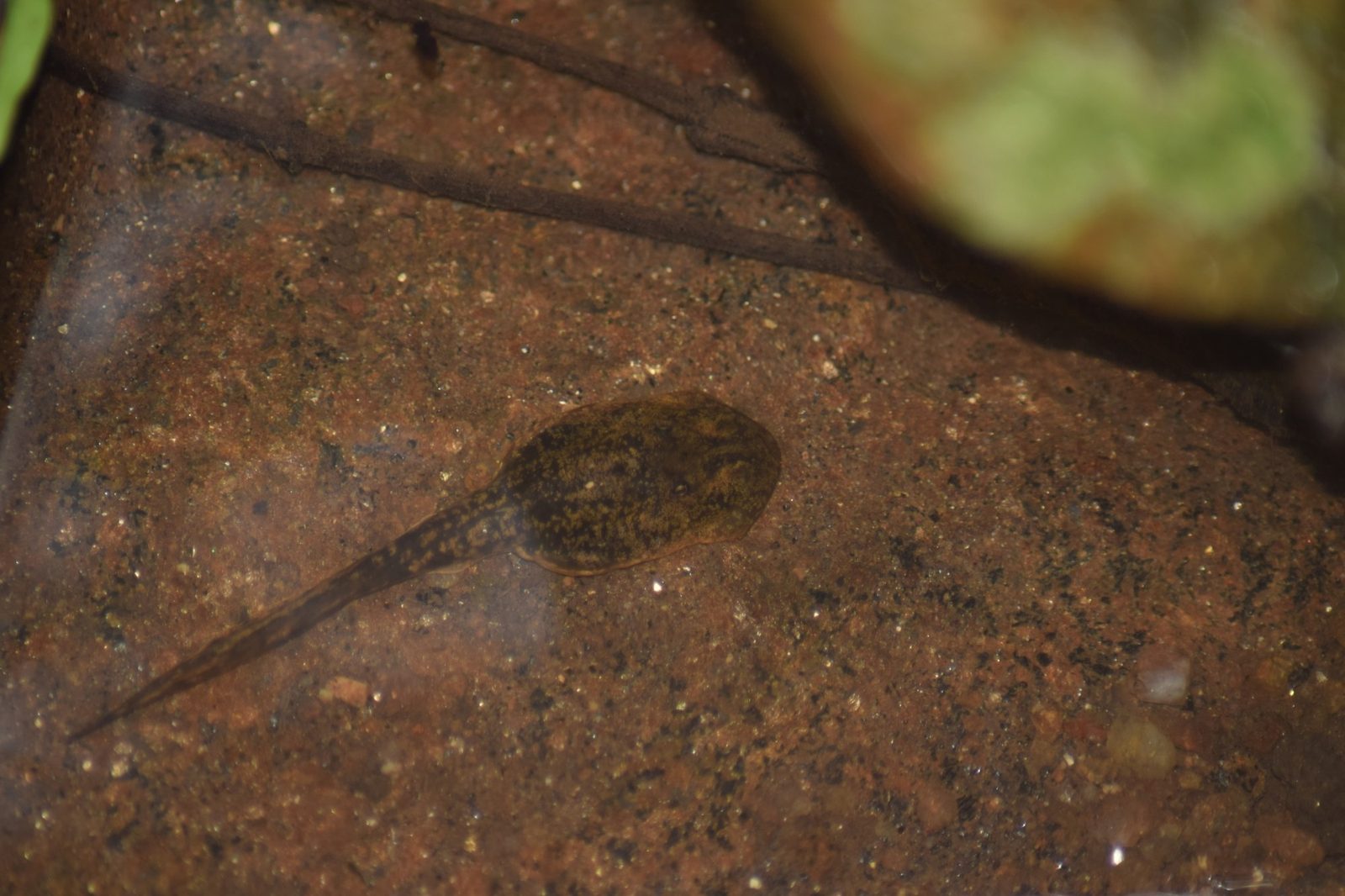
A frog with a family of its own
S. D. Biju and Franky Bossuyt: Nasikabatrachus sahyadrensis, near Kattappana, Idukki. Underground most of the year. Its nearest relatives live in the Seychelles, across the Indian Ocean.
StorySnakebite deaths in India, a year
58,000
about 12 lakh between 2000 and 2019
- The "big four"Spectacled cobra (Naja), common krait (Bungarus), Russell's viper, saw-scaled viper.
- Speed saves livesMost victims live in villages; antivenom, fast.
Solve itTwo problems and a check
Your turn
Solve it
A 2 cm frog and a 10 cm frog have the same shape. How many times more skin does the small one have for each gram of its body? If both lose water through their skin at the same rate per square centimetre, how much faster does the small one dry out, as a share of its water?
Answer
Solve it
About 58,000 people a year die of snakebite in India. How many is that a day? If every death could be prevented by reaching antivenom within a few hours, what single change would save the most lives?
Answer
Why do reptiles need internal fertilisation?
- They live far from water
- The eggshell forms before laying, so sperm must reach the egg inside the mother
- They give birth to live young
ConnectAnd still confused?
Where this goes next
Connect it
- The frog, Ch 7. Rana in full: skin breathing, cloaca and three-chambered heart: meet the frog.
- Lobe-finned fishes, concept 9. The coelacanth story: jawless vertebrates and fishes.
- Fish to tetrapod, Class 12. The history of life.
- Western Ghats, Class 12. One of India's biodiversity hotspots, full of frogs found nowhere else: India's megadiversity.
- Hearts, concept 10 and Ch 15. Three chambers and four: the heart widget above, and double circulation.
Crocodiles have a four-chambered heart. Why aren't they warm-blooded?
A four-chambered heart and warm blood are separate things. Warm-bloodedness needs a high rate of burning food to make heat; crocodiles don't do that. Their heart also has a special opening (the foramen of Panizza) between the two arteries leaving it, and a valve that can send blood past the lungs, for example when diving. What that is for is still debated.
Is Ichthyophis a snake or a worm?
Neither: it is an amphibian, a caecilian, with moist skin and no limbs. The female coils round her eggs and guards them in damp soil.
Sources
- Daeschler, Shubin and Jenkins (2006), A Devonian tetrapod-like fish, Nature 440
- AmphibiaWeb: Nasikabatrachus sahyadrensis (Biju and Bossuyt, Nature 2003)
- Suraweera et al. (2020), Trends in snakebite deaths in India, eLife
- Eme et al. (2009), the crocodile's cardiac shunt, Journal of Experimental Biology